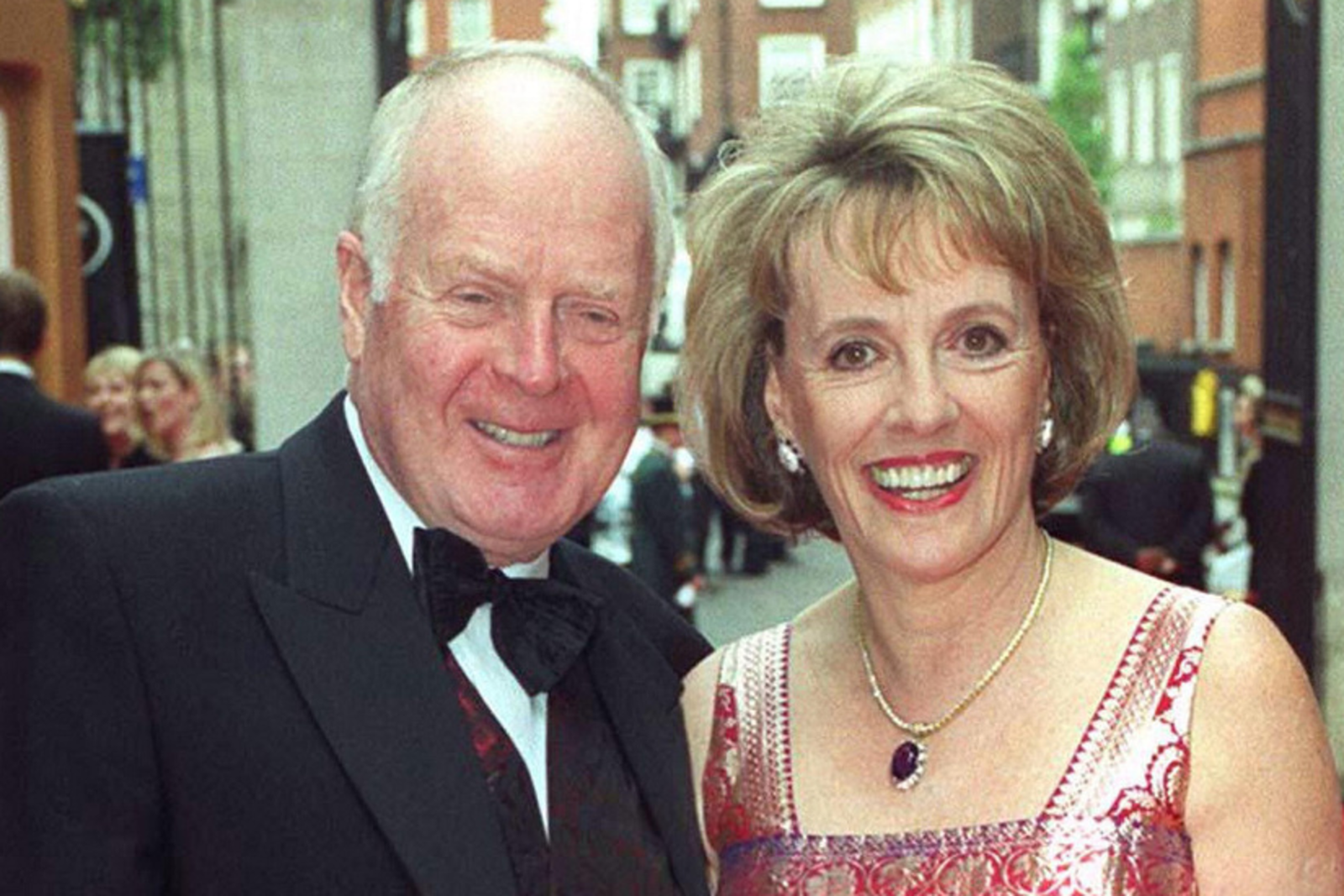
Desmond Wilcox: Biography, Career, Wife, Children, and Lasting Legacy
Desmond Wilcox was a respected British television producer, documentary filmmaker, and journalist who made a significant contribution to the development of factual broadcasting in the United Kingdom. Best known for his work with the BBC and his marriage to television presenter Esther Rantzen, he became an influential figure in documentary journalism. His programmes explored real-life experiences, social problems, family relationships, and the challenges faced by ordinary people. Through thoughtful storytelling and sensitive filmmaking, Wilcox helped bring important human stories to British television audiences.
Born in 1931, Desmond Wilcox developed his career during a period when television was becoming an essential source of news, information, and entertainment. His work demonstrated that documentaries could do more than report facts. They could also encourage understanding, raise awareness, and inspire meaningful discussions about society. Although he died in 2000, his professional achievements and family connections continue to attract interest.
Desmond Wilcox Early Life and Family Background
Desmond John Wilcox was born on 21 May 1931 in Welwyn Garden City, Hertfordshire, England. desmond wilcox grew up during a period of considerable social and political change, including the difficult years surrounding the Second World War. His generation witnessed major developments in communication, journalism, and broadcasting. Radio remained a powerful source of information during his childhood, while television gradually became an increasingly important part of British society.
Information about Wilcox’s early family life is relatively limited compared with the details available about his professional career. However, his later achievements demonstrate a strong interest in people, communication, and social experiences. He developed the curiosity and observational skills that would eventually become essential to his work as a documentary filmmaker. Understanding different perspectives and recognising meaningful stories became important features of his professional identity.
His early experiences took place before television journalism had developed into the familiar industry seen today. Broadcasting opportunities were expanding, and journalists increasingly recognised the potential of television to explain complicated issues through images and personal interviews. Wilcox entered this changing environment with an interest in factual storytelling. His ability to recognise the emotional importance of ordinary experiences would later help distinguish his work from more traditional forms of reporting.
How Desmond Wilcox Started His Journalism Career
Desmond Wilcox began his professional journey in journalism before establishing himself as a television documentary producer. His early career helped him develop the essential skills required for reporting, interviewing, researching, and presenting factual information. Journalism demanded accuracy, patience, and an ability to identify stories that mattered to the public. These qualities became central to his later work, particularly when exploring sensitive subjects involving families, illness, disability, and social difficulties.
His career eventually brought him into BBC broadcasting, where he became associated with important documentary and current affairs productions. During this period, British television was expanding its approach to factual programming. Producers began exploring the lives of ordinary people rather than concentrating exclusively on political leaders and major public events. Wilcox recognised the value of these personal stories and developed an approach that allowed viewers to understand wider social issues through individual experiences.
His professional development also reflected the growing importance of documentary journalism in British society. Television offered opportunities to combine interviews, observation, and visual storytelling in ways that newspapers and radio could not easily reproduce. Wilcox used these possibilities to explore human experiences with sensitivity and depth. His early work established the foundations for a career that would become closely associated with compassionate documentary filmmaking.
Desmond Wilcox BBC Career and Famous Television Programmes
Desmond Wilcox became widely recognised for his work with the BBC, particularly the documentary series Man Alive. The programme explored social issues, personal difficulties, and the experiences of ordinary people. Wilcox helped develop its distinctive approach to factual television, using interviews and observation to bring viewers closer to the people featured. His work challenged traditional broadcasting methods by demonstrating that everyday experiences could provide powerful material for serious journalism.
During the 1970s, Wilcox held an important leadership position as the BBC’s head of general features. This role allowed him to contribute to the development of programmes covering a wide range of subjects. His television projects included Americans, Black in Blue, A Day in the Life, and The Visit. These productions reflected his interest in understanding people from different backgrounds and examining the challenges they faced. His work combined journalistic investigation with emotional storytelling, helping establish a distinctive style within British documentary broadcasting.
Wilcox was also professionally connected with consumer affairs television, including the development of programmes associated with Esther Rantzen. His experience as a producer and editor gave him a detailed understanding of television production, from identifying stories to presenting finished programmes. He became known for recognising subjects that could interest audiences while raising awareness of important social concerns. His BBC career established him as an influential figure in British factual television.
Desmond Wilcox and the Famous Boy David Documentary
One of Desmond Wilcox’s most memorable achievements was his documentary work about David Jackson, a young boy from Peru who experienced severe facial disfigurement. The story became widely known through The Boy David, a series of documentaries following the child’s medical treatment and personal journey. Wilcox presented the experiences of David and the people helping him, allowing viewers to understand the challenges associated with reconstructive surgery and long-term care.
The documentaries followed the work of Scottish plastic surgeon Ian Jackson, who helped David receive specialist medical treatment and later adopted him. The story attracted considerable public attention because of the medical challenges involved and the emotional relationships that developed. Wilcox’s filmmaking allowed audiences to follow David’s progress over time, creating a deeper connection with the individuals involved. The series received international recognition and became one of the defining achievements of his career.
The Boy David also demonstrated the potential of documentary television to raise awareness about medical conditions and the importance of compassionate care. Rather than presenting the story as a simple medical case, Wilcox explored the human experiences surrounding David’s treatment. His approach highlighted determination, kindness, and the difficulties faced by families dealing with serious health challenges. The documentaries remain an important example of the emotional impact that carefully produced factual television can achieve.
Desmond Wilcox Wife Esther Rantzen and Their Marriage
Desmond Wilcox married Esther Rantzen in December 1977. Rantzen was already developing a successful broadcasting career and later became widely recognised for presenting the BBC consumer affairs programme That’s Life!. Their relationship brought together two experienced television professionals who shared an interest in journalism, social issues, and public-interest broadcasting. The couple remained married until Wilcox’s death in September 2000.
Before marrying Rantzen, Wilcox was married to Patsy Price, with whom he had three children. His relationship with Rantzen began while his first marriage was still ongoing, creating complicated personal circumstances that later became part of public discussions about their lives. Following his divorce, Wilcox and Rantzen married and established their family together. Their relationship was also connected to their professional lives because both worked in television production and broadcasting.
Their marriage lasted more than two decades and included periods of professional success alongside personal challenges. In 1999, after Wilcox experienced serious heart problems, the couple renewed their marriage vows in a synagogue. Wilcox had converted to Judaism, reflecting an important development in his personal life. Their long relationship remained a significant part of their public biographies, particularly because both were familiar figures within British television.
Desmond Wilcox Children and Personal Family Life
Desmond Wilcox was the father of six children from his two marriages. With his first wife, Patsy Price, he had three children Cassandra, Adam, and Claire. His second marriage to Esther Rantzen brought three more children: Emily, Daniel, and Rebecca. His family life included the responsibilities and complexities associated with maintaining relationships across two households while pursuing a demanding broadcasting career.
His daughter Rebecca Wilcox followed a professional path connected to journalism and television. She became a presenter and reporter, continuing the family’s association with British broadcasting. The children from his marriage to Esther Rantzen occasionally appeared in public discussions about family life, although they generally maintained their own identities outside their parents’ professional achievements. Wilcox’s wider family remained an important part of his personal story.
Family relationships were also a recurring theme in Wilcox’s documentary work. His programmes frequently examined parenting, illness, disability, and the emotional challenges experienced by families. Although these professional interests should not automatically be interpreted as reflections of his private circumstances, they demonstrated his understanding of the importance of personal relationships. His documentaries often encouraged viewers to consider the experiences of families facing difficulties that were unfamiliar to them.
Desmond Wilcox Awards, Achievements, and Charity Work
Desmond Wilcox received considerable recognition for his contribution to documentary filmmaking. His programmes earned major television honours, including BAFTA recognition and international documentary awards. His work on The Boy David was particularly successful, receiving five international awards. These achievements reflected the quality of his storytelling and his ability to communicate complicated human experiences through television.
Wilcox also contributed to charitable activities connected with health and disability. He served as chairman of Defeating Deafness, an organisation supporting research into hearing difficulties. He was also associated with Wessex Heartbeat, a charity supporting cardiac care. His involvement in charitable work reflected an interest in helping people beyond his professional responsibilities. Some of the subjects explored in his documentaries also contributed to greater public awareness of important medical and social issues.
His career included work as a television executive, producer, journalist, and documentary presenter. He also published books connected to his broadcasting projects, including Americans and Return Visit. Alongside Esther Rantzen, he contributed to Kill the Chocolate Biscuit, a collection of humorous experiences. These different activities demonstrated his versatility as a communicator and storyteller. His professional achievements helped establish him as one of the notable figures in British documentary television during the second half of the twentieth century.
Desmond Wilcox Cause of Death and Final Years
Desmond Wilcox died on 6 September 2000 at St Mary’s Hospital in London. He was 69 years old. His death followed a long history of coronary heart disease, and he had previously undergone two heart bypass operations. His health problems became increasingly serious during the later years of his life, although he continued to maintain an interest in broadcasting and charitable activities.
Despite experiencing significant health difficulties, Wilcox remained professionally active. His dedication to documentary filmmaking reflected the importance he placed on telling meaningful stories. His final years were also marked by recognition of his achievements and the relationships he had developed throughout his career. His appearance on This Is Your Life celebrated his professional contributions and brought together people whose experiences had been connected to his documentaries.
His death was widely reported in the British media, with colleagues recognising his contribution to television journalism. Esther Rantzen publicly expressed the emotional impact of losing her husband, while members of the broadcasting industry remembered his creativity and commitment to documentary production. His passing marked the end of a career that had helped transform how British television presented the experiences of ordinary people.
Desmond Wilcox Legacy and Influence on British Television
Desmond Wilcox played an important role in changing the direction of British documentary television. His programmes demonstrated that factual broadcasting could explore personal experiences while addressing wider social issues. Instead of concentrating entirely on political events and official statements, he focused on individuals whose stories revealed important aspects of society. This approach helped make documentary journalism more accessible and emotionally engaging for television audiences.
His work influenced the development of human-interest documentaries, particularly programmes that follow individuals over extended periods. By allowing viewers to observe personal challenges and changes, Wilcox created opportunities for deeper emotional understanding. His storytelling techniques helped establish the importance of patience, observation, and meaningful interviews in factual television. These qualities remain central to many modern documentaries exploring health, family relationships, and social concerns.
His professional legacy also reflects the ethical responsibilities associated with documentary filmmaking. Presenting vulnerable people on television requires sensitivity, accuracy, and respect for their experiences. Wilcox’s programmes contributed to discussions about how filmmakers should approach difficult subjects while maintaining the dignity of participants. His career remains significant because it demonstrated both the opportunities and responsibilities involved in telling real-life stories.

Conclusion
Desmond Wilcox was an influential British documentary filmmaker, journalist, and television producer whose work helped shape factual broadcasting. From his early journalism career to his successful years with the BBC, he demonstrated a strong commitment to exploring meaningful human experiences. His documentaries examined family relationships, social challenges, disability, and medical issues, allowing audiences to understand situations that might otherwise have received limited public attention.
His marriage to Esther Rantzen, his six children, and his personal experiences remain important parts of his biography. However, his professional achievements stand independently of his family connections. Through programmes such as Man Alive, The Visit, and The Boy David, he developed a reputation for compassionate storytelling and innovative documentary production. His work earned industry recognition and contributed to the development of modern British television journalism.
Although Desmond Wilcox died in 2000, his influence continues through the documentary tradition he helped establish. His career demonstrated that powerful television stories often emerge from ordinary lives and personal experiences.