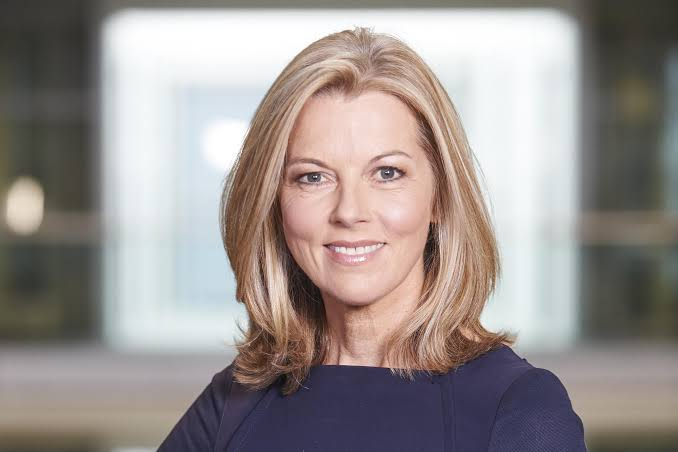
Mary Nightingale Voice Change: What Happened to Her Voice, Health, and Career?
Mary Nightingale is one of Britain’s most recognizable television journalists, best known for presenting ITV News at Ten. Over the years, viewers have become familiar with her calm delivery, professional appearance, and distinctive broadcasting voice. However, some regular viewers have noticed differences in the way she sounds, leading to online searches about the Mary Nightingale voice change.
mary nightingale voice change A television presenter’s voice is an important part of their professional identity. Viewers often recognize familiar presenters not only by their faces but also by their pronunciation, tone, rhythm, and delivery. When a presenter sounds slightly different, even a small change can attract attention. This is particularly true for someone like Mary Nightingale, who has spent decades presenting major television news programmes.
Although online discussions have raised curiosity about mary nightingale voice change, it is important to distinguish viewer observations from confirmed medical information. A change in vocal tone does not automatically indicate an illness or serious health condition. Several ordinary factors, including vocal fatigue, ageing, speaking habits, and broadcasting conditions, can influence how someone sounds. Understanding these possibilities provides a more balanced picture of the discussion surrounding Mary Nightingale.
Who Is Mary Nightingale and Why Is Her Voice So Recognizable?
Mary Nightingale is a respected British journalist and television presenter who has spent many years working in broadcast journalism. She is particularly associated with ITV News, where she has presented major evening bulletins and reported on important national and international developments. Her professional reputation comes from her experience, clear communication, and ability to deliver complicated stories to television audiences.
Mary’s broadcasting style is one reason viewers have become interested in her voice. She generally speaks with a measured pace, controlled pronunciation, and a composed tone. These qualities are important in television journalism because news presenters must communicate information clearly, even when covering difficult or emotional subjects. Over many years, audiences become accustomed to a presenter’s natural speaking style, making even small differences noticeable.
What Happened to Mary Nightingale’s Voice?
The main reason behind searches for Mary Nightingale voice change is viewer curiosity about whether her voice sounds different during certain television appearances. Some online discussions describe her voice as sounding slightly hoarse, softer, breathier, or more strained than viewers remember. These descriptions reflect individual observations rather than a medically established change. Without a consistent professional assessment or a public explanation from Mary herself, it is difficult to determine whether there has been a lasting difference.
It is also important to understand that television does not always reproduce someone’s natural voice in exactly the same way. Microphone placement, studio acoustics, audio processing, background noise, and broadcast equipment can influence how a presenter sounds. Even the type of programme and the emotional demands of a particular news story can affect speaking rhythm and delivery. A short television clip is therefore not enough to establish that a presenter has developed a voice problem. There is no confirmed public explanation identifying a specific medical cause for themary nightingale voice change viewers discuss.
Possible Reasons Behind a Television Presenter’s Voice Change
There are several general reasons why a person’s voice may sound different from one day to another. Vocal fatigue is one possibility, particularly for people whose professions involve speaking for extended periods. News presenters regularly read scripts, conduct interviews, record introductions, and deliver live updates. Repeated speaking can place demands on the vocal folds, especially when someone has limited opportunities to rest their voice between professional commitments.
Temporary throat irritation, seasonal allergies, respiratory infections, dehydration, and environmental conditions can also affect vocal quality. Dry studio environments or prolonged speaking may make the voice sound less clear or slightly rough. Another possible factor is acid reflux, which can irritate the throat in some individuals. However, these are general explanations for voice variation, not confirmed conditions affecting Mary Nightingale. It would be inaccurate to select one of these possibilities and present it as the reason for her perceived voice change without reliable medical information.
Can Ageing Naturally Affect Mary Nightingale’s Voice?
Ageing can influence the human voice, and these changes are sometimes noticeable in people who have spent decades speaking professionally. As people grow older, the muscles and tissues involved in voice production can gradually change. Vocal folds may lose some flexibility, muscle strength can decline, and breathing patterns may become different. These developments can influence vocal strength, pitch, resonance, and the amount of effort required to speak.
However, ageing affects everyone differently. Some people maintain a relatively similar speaking voice throughout adulthood, while others experience noticeable changes in tone or vocal strength. Professional voice users may also develop techniques that help them maintain clear speech over many years. Although natural ageing is one possible explanation for changes in a mary nightingale voice change generally, there is no confirmed evidence that it explains the observations about Mary Nightingale. Her age alone should not be used to suggest that she has a particular vocal condition or health problem.
Mary Nightingale’s Health: Is There Any Confirmed Illness?
Informations about mary nightingale voice change have also led to searches about her health. Some websites have connected the discussion with claims about throat problems, vocal cord damage, cancer, and other medical conditions. However, repeating these claims does not make them reliable. There is no authoritative public confirmation establishing that Mary Nightingale has a serious illness responsible for a change in her voice. Her personal medical information has not been publicly disclosed in sufficient detail to support such conclusions.
It is important to respect the difference between public information and private medical matters. A presenter does not have to explain every absence, physical change, or variation in their mary nightingale voice change to television viewers. Unless Mary Nightingale or an authorized representative makes a clear announcement, specific diagnoses should not be treated as facts. Responsible reporting means avoiding assumptions and giving readers information that can be supported. At present, the most accurate answer is that no specific serious illness has been publicly confirmed as the explanation for the reported voice change.
Mary Nightingale’s Long Career at ITV News
Understanding Mary Nightingale’s career helps explain why mary nightingale voice changeattracts so much attention. She began her professional life outside traditional television news, working in financial markets before moving into broadcasting. She subsequently worked as a presenter and writer for TV Tokyo and gained experience with business journalism through BBC World Service Television and Reuters Financial Television. These early roles helped her develop the communication skills and confidence needed for a successful broadcasting career.
Her work with British television expanded during the 1990s, including her involvement with London Tonight. She later became an important part of ITV’s national news operation, taking on major presenting responsibilities. Her association with the ITV Evening News began in 2001, and she has remained a familiar face in British television journalism. Covering elections, royal events, major political developments, and international stories has required consistency and professionalism. Her long broadcasting career is one reason viewers recognize mary nightingale voice change so easily.
The 2024 Deepfake Incident Involving Mary Nightingale’s Voice
One important event connected with the subject of mary nightingale voice change occurred in February 2024, when video used her likeness and an imitation of her apparent voice. The manipulated footage showed a false version of the presenter appearing to sit at an ITV news desk while promoting an investment-related application. The video circulated on social media before being removed.
Mary spoke publicly about the incident during an ITV interview in March 2024. She expressed anger about the unauthorized use of her image and apparent voice, describing the experience as identity theft. This event is particularly relevant when discussing mary nightingale voice change because it highlights the growing difficulty of distinguishing genuine recordings from digitally manipulated material. A video that appears to show a familiar presenter speaking does not necessarily contain an authentic recording. Viewers should check whether a clip comes from an official broadcaster or a trustworthy news source before accepting its contents as genuine.
How Television Broadcasting Can Influence a Presenter’s Voice
Television broadcasting involves more than simply speaking in front of a camera. Professional presenters work with microphones, studio monitors, sound engineers, producers, and carefully prepared scripts. Each part of the production process can influence how the final broadcast sounds. Microphone distance, audio compression, equalization, and the acoustic properties of a studio can make certain vocal characteristics more noticeable. For example, mary nightingale voice change may sound fuller in one recording and thinner in another because of technical differences rather than a physical change.
The demands of live television can also influence speech. A presenter may need to deliver breaking news, conduct an emotional interview, or read a complicated report within a strict time limit. These situations can affect breathing, pauses, emphasis, and speaking speed. News presenters are trained to maintain a steady delivery, but natural variations are still possible. This is why comparing two short clips from different programmes may not provide a reliable picture of someone’s overall vocal health. A meaningful assessment would require consistent recordings and, where appropriate, professional medical evaluation.
Why Viewers Continue Searching for Mary Nightingale Voice Change
Public interest in mary nightingale voice change is closely connected to her long-standing presence on British television. Regular viewers become familiar with the voices of news presenters because they hear them repeatedly over many years. When someone has presented major news programmes for such a long period, even a minor difference in pronunciation, tone, or delivery can become noticeable. This familiarity helps explain why searches about mary nightingale voice change continue to attract attention.
Online search trends can also be influenced by social media discussions and celebrity-related websites. One page may raise a curiosity about a mary nightingale voice change or appearance and other websites may repeat the same subject without adding verified information. As a result, a simple observation can develop into a much larger discussion about someone’s health. Readers should consider the quality of the information, look for original interviews, and distinguish personal opinions from confirmed announcements. In Mary Nightingale’s case, her professional career and documented public appearances provide a more reliable picture than unsupported online speculation.
Conclusion
The discussion surrounding Mary Nightingale voice change has generated considerable curiosity among television viewers. Some people believe her voice sounds different from earlier broadcasts, while others are interested in whether the change could be connected to ageing, vocal fatigue, or a health condition. Although these are possible general explanations for variations in human voices, none has been confirmed as the reason for the observations involving Mary Nightingale.
Her long career at ITV News, distinctive broadcasting style, and professional achievements explain why audiences pay close attention to her voice. The 2024 deepfake incident also demonstrated how easily a familiar presenter’s apparent voice can be manipulated, making it important to check the authenticity of online recordings.