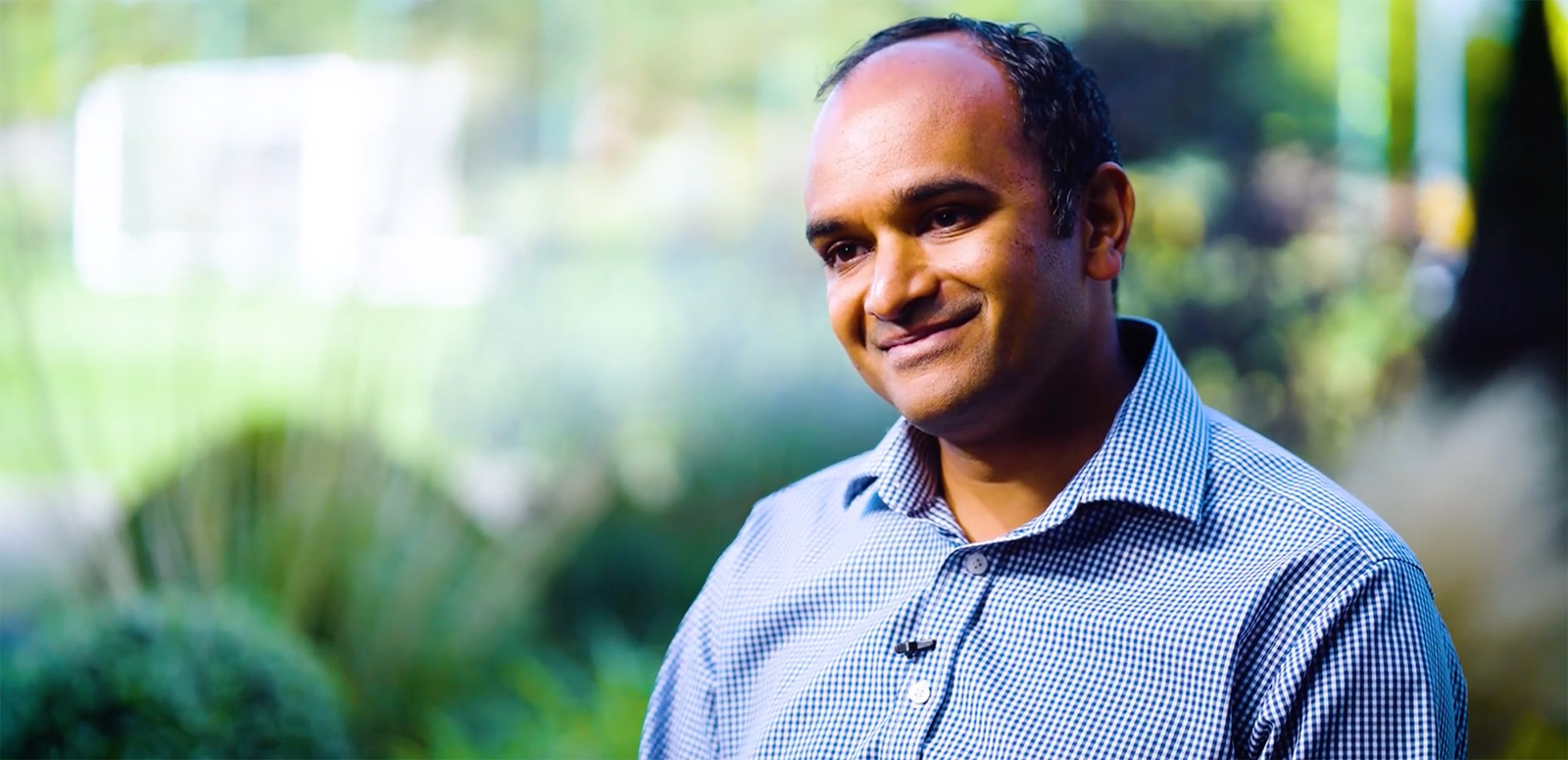
Vinai Venkatesham: Biography, Career, Arsenal Journey, Tottenham Role, and Achievements
Who Is Vinai Venkatesham?
Vinai Venkatesham is a British football executive best known for his leadership roles at Arsenal Football Club and Tottenham Hotspur. Over the years, he has established himself as an influential figure in professional football, working behind the scenes to manage club operations, develop commercial partnerships, strengthen relationships with supporters, and support the long-term growth of major sporting organisations. Unlike football managers and players who are regularly seen on the pitch, Venkatesham has built his reputation through business management, strategic planning, and executive leadership. His career demonstrates how professional expertise outside football can contribute to the success of some of the biggest clubs in English football.
Vinai Venkatesham serves as the Chief Executive Officer (CEO) of Tottenham Hotspur. He officially joined the club in June 2025 after spending approximately 14 years at Arsenal, where he progressed through several senior management positions before becoming chief executive. His appointment at Tottenham attracted considerable attention because of his previous association with Arsenal, one of the club’s biggest London rivals. His professional background also includes experience with Deloitte and the London 2012 Olympic and Paralympic Games.
Vinai Venkatesham’s Early Life and Educational Background
Vinai Venkatesham has maintained a relatively private personal life, meaning that detailed information about his childhood, family background, and early experiences is not widely available. Nevertheless, his professional journey provides a useful picture of his interests and ambitions. He developed a career in business and management before entering the football industry, demonstrating that his professional interests extended beyond sport itself. His background in commercial strategy and financial management later became particularly valuable when he took on responsibilities involving sponsorship agreements, business development, and the financial operations of major sporting organisations.
His educational and professional development included training as a management accountant and experience in strategic consulting. He studied at Oxford University. Before establishing himself in football administration, he worked in business-related positions that required analytical thinking, commercial awareness, and the ability to understand complex organisations. His qualifications helped him approach sporting institutions from a business perspective, where decisions must balance financial responsibility, organisational priorities, and long-term ambitions. Although detailed information about every stage of his education is not consistently published, his professional qualifications and career experience provide a clear explanation of the foundation behind his leadership approach.
Vinai Venkatesham’s Career Before Joining Arsenal
Before joining Arsenal, vinai venkatesham gained valuable experience in the business and consulting sectors. His earlier professional career included working as an oil trader and a strategy consultant at Deloitte. These positions exposed him to commercial decision-making, financial analysis, business planning, and the management of large projects. Working in consulting also provided experience in understanding organisational challenges and developing practical solutions. Such skills are useful in professional football, where clubs must manage significant financial commitments while maintaining competitiveness and building relationships with commercial partners.
One of the most important stages of his early career was his involvement with the London 2012 Olympic and Paralympic Games. He became part of the commercial team responsible for helping develop partnerships and generate the funding required to deliver the event. Sponsorships, licensing, hospitality arrangements, and commercial agreements were essential elements of the Olympic business model. The experience gave him an understanding of how major sporting events operate on an international scale. It also helped him build professional relationships within the sports industry. His work with London 2012 eventually opened the door to Arsenal, where he joined in 2010 as Head of Global Partnerships. This move marked the beginning of a long association with one of England’s most recognised football clubs.
Vinai Venkatesham’s Journey at Arsenal Football Club
Vinai Venkatesham joined Arsenal in 2010 as Head of Global Partnerships. His initial responsibilities focused on developing commercial relationships, securing sponsorship agreements, and identifying opportunities to increase the club’s business revenue. Arsenal is a globally recognised football institution with supporters across different countries, making commercial partnerships an important part of its operations. Venkatesham’s experience in the London 2012 Olympic commercial team helped him understand the value of building long-term relationships with international brands. As he gained experience within the organisation, he took on greater responsibilities and became an important member of Arsenal’s senior management structure.
In 2014, Arsenal appointed him Chief Commercial Officer, expanding his responsibilities across partnerships, marketing, hospitality, retail, and business strategy. His promotion reflected the club’s confidence in his commercial abilities and leadership potential. In 2018, following changes in the club’s executive structure, he became Managing Director and took responsibility for business operations. His role became particularly important as Arsenal worked through a period of organisational change following the departure of long-serving manager Arsène Wenger. By this stage, Venkatesham had developed extensive knowledge of the club’s commercial activities and internal operations, making him a natural candidate for further leadership responsibilities.
When Did Vinai Venkatesham Become Arsenal CEO?
Vinai Venkatesham became Arsenal’s Chief Executive Officer in September 2020 after changes in the club’s leadership structure. He had already served as Managing Director and Chief Commercial Officer, meaning he understood the organisation’s business operations and commercial priorities. His appointment came during a challenging period for professional football because the COVID-19 pandemic had disrupted competitions, reduced stadium attendance, and created financial uncertainty for clubs across Europe. Taking charge during such circumstances required difficult decisions, effective communication, and careful management of resources.
During his time as Arsenal CEO, Venkatesham worked alongside the club’s ownership, senior executives, football department, and management team. His responsibilities covered the wider organisation rather than simply the first-team football operation. This included commercial development, financial planning, supporter relationships, organisational management, and the coordination of different departments. Mikel Arteta’s managerial appointment and Arsenal’s subsequent rebuilding period became important parts of the club’s wider transformation. Although the sporting results depended on players, coaches, recruitment staff, and numerous other people, Venkatesham played an executive role in the organisation supporting that process. He remained Arsenal’s chief executive until his departure in the summer of 2024.
Vinai Venkatesham’s Achievements and Contributions at Arsenal
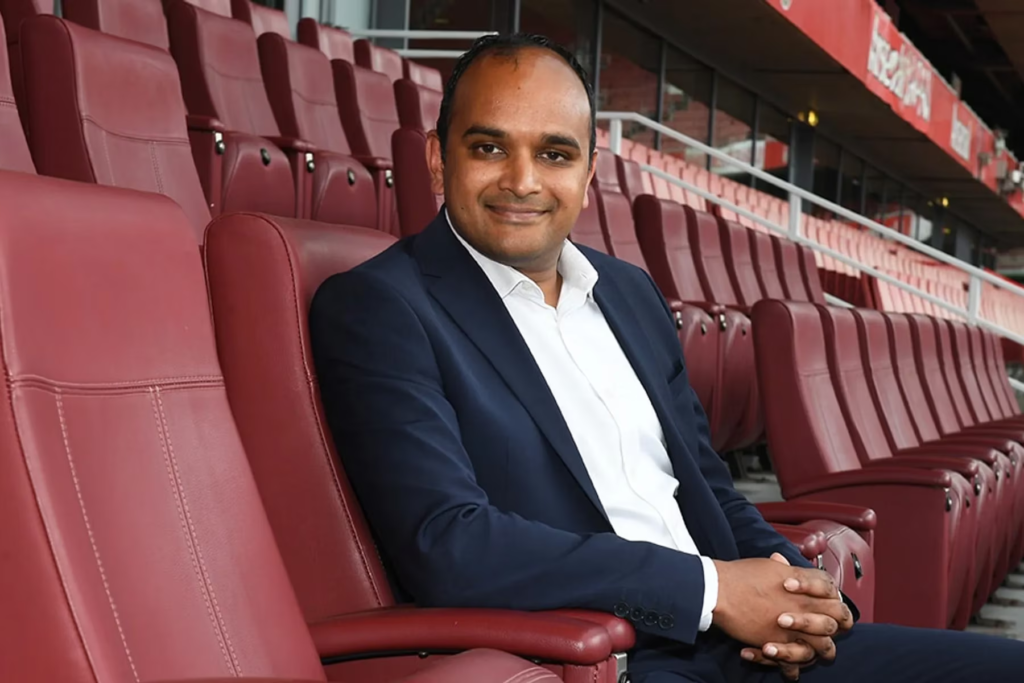
One of Venkatesham’s notable contributions at Arsenal was helping develop the club’s commercial and organisational structure. His career at the Emirates Stadium covered several important stages, from international partnerships to senior executive management. During his leadership period, Arsenal focused on strengthening its business operations, improving its relationship with supporters, and rebuilding its position among England’s leading football clubs. The club also experienced a return to the UEFA Champions League after several seasons outside the competition. Arsenal’s improved sporting performances under Mikel Arteta were the result of collective work across the organisation, and Venkatesham was part of the executive leadership responsible for supporting the club’s wider direction.
Another significant area of his work involved Arsenal Women. Women’s football became increasingly important to the club’s sporting and commercial identity, and Venkatesham supported efforts to strengthen the women’s team’s profile and development. His wider involvement in women’s football governance also demonstrated an interest in improving the structure of the domestic game. He chaired a working group involving 10 clubs and the Football Association that helped establish a new governance structure for women’s football. These contributions show that his professional influence extended beyond the men’s first team and included wider issues affecting the development of the sport. His Arsenal career therefore involved commercial growth, organisational transformation, and support for different areas of professional football.
Why Did Vinai Venkatesham Leave Arsenal?
Vinai Venkatesham’s departure from Arsenal was announced in September 2023, although he remained involved with the club until the summer of 2024 to allow an orderly transition. After approximately 14 years at the Emirates Stadium, he decided to pursue a new professional challenge. His departure marked the end of an important chapter in his career because he had progressed from a commercial management position to the club’s highest executive role. During that period, he worked with different managers, senior executives, players, commercial partners, and supporters while witnessing major changes in the football business.
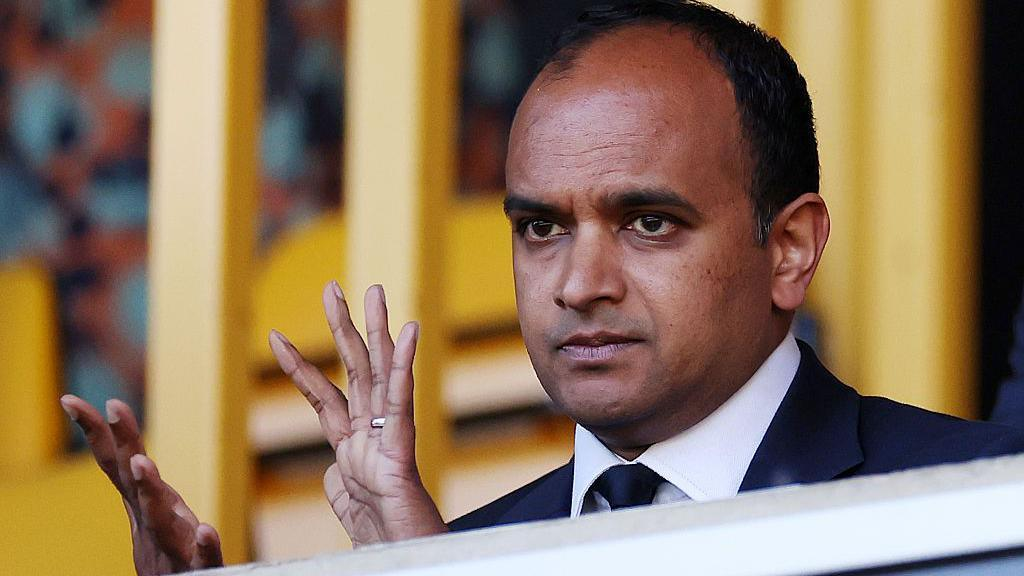
His decision to leave did not mean that he immediately moved to another football club. Instead, he took time away from a demanding executive position to consider his next opportunity. This break was significant because leading a major football organisation involves considerable responsibility and constant attention to sporting and commercial developments. In April 2025, Tottenham Hotspur announced that Venkatesham would become its new chief executive. The appointment demonstrated that his experience at Arsenal had maintained its value within the football industry. It also created an unusual situation in which a former Arsenal CEO would take a senior leadership position at Tottenham, another major North London club.
Vinai Venkatesham’s Role as Tottenham Hotspur CEO
In April 2025, Tottenham Hotspur officially announced Vinai Venkatesham’s appointment as Chief Executive Officer. He joined the club on 1 June 2025, bringing experience gained from more than a decade in senior positions at Arsenal. His appointment was an important development for Tottenham because the club wanted to strengthen its executive leadership and continue developing its sporting and commercial operations. His appointment attracted considerable attention because of his previous association with Arsenal. Venkatesham expressed enthusiasm about joining the organisation and working with its board, employees, and supporters.
As Tottenham CEO, his responsibilities extend across sporting and non-sporting operations. This means his work involves more than commercial agreements or financial management. He must help establish organisational priorities, support the football department, oversee business operations, and ensure that the club has the structure needed to compete successfully. His ambitions include helping Tottenham compete regularly in the Champions League and challenge for major trophies while improving the competitiveness of the women’s team. His leadership also involves addressing organisational challenges, strengthening football operations, and developing a clearer long-term direction for the club.
Vinai Venkatesham’s OBE, Personal Life, and Net Worth
An important recognition in Venkatesham’s career came in the 2024 King’s New Year Honours List, when he received an Officer of the Order of the British Empire (OBE) for services to sport. The honour recognised his contribution to the sporting industry and his work across professional football and major sporting organisations. His experience with Arsenal, London 2012, and wider sports administration formed an important part of his professional contribution. His involvement with the British Olympic Association and other sporting organisations has also helped establish his reputation in sports governance and administration.
Despite holding senior positions at two major English football clubs, Vinai Venkatesham keeps much of his personal life away from public attention. There is limited reliable information about his wife, children, parents, or other family members, so unverified personal details should not be treated as established facts. Another frequently searched topic is Vinai Venkatesham’s net worth. However, no independently verified public figure establishes his personal wealth. As a senior football executive, he has held highly responsible positions, but his exact salary, investments, assets, and financial arrangements are not publicly established in sufficient detail. His professional success is better understood through his career progression, leadership experience, and contributions to sport.
Conclusion
Vinai Venkatesham has built an impressive career through a combination of business experience, commercial management, and leadership in professional sport. From his early work at Deloitte and involvement in the London 2012 Olympic and Paralympic Games to his 14-year journey at Arsenal, he has developed a strong reputation in football administration. His progression from Head of Global Partnerships to Arsenal CEO demonstrates his professional growth and ability to take on increasingly complex responsibilities. His OBE recognition and involvement with wider sporting organisations further highlight his contribution beyond individual football clubs.
As Tottenham Hotspur’s CEO, Venkatesham has entered another important chapter of his career. His experience at Arsenal gives him valuable knowledge of the Premier League, commercial development, supporter engagement, and club management. However, his success at Tottenham will ultimately depend on how effectively the organisation improves its football operations, develops its teams, and delivers meaningful progress for supporters.