Harmonicode Sports: Understanding Its Features, Technology, Benefits, and Future in Modern Sports
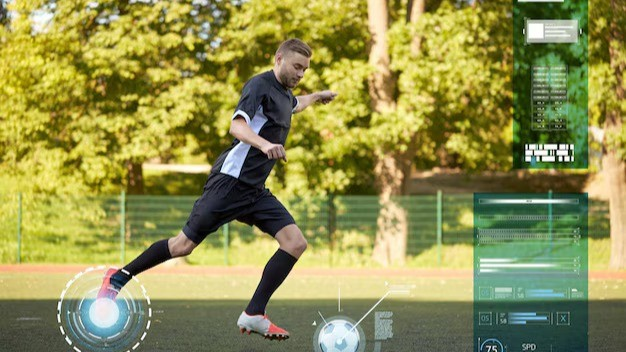
Sports are changing rapidly as technology becomes an important part of training, competition, and athletic development. From wearable fitness devices to modern innovations are helping athletes understand their performance and make better decisions. One term attracting attention in online searches is Harmonicode Sports. People are interested in understanding what it means, how it works, and whether it represents a new approach to sports technology.
Harmonicode Sports is generally associated with the relationship between modern sports, digital analytics, biomechanics, and athletic performance. The concept brings together physical movement and technology to explore how athletes can improve their skills through better information. It highlights the potential of using digital tools to understand training habits, monitor physical activity, and support more effective coaching. Although harmonicode sports is gaining attention online, it is important to distinguish between the general ideas associated with it and independently verified products or services.
What Is Harmonicode Sports?
Harmonicode Sports is a term associated with the connection between modern sports, digital technology, athletic performance, and data analysis. Online descriptions commonly present it as an approach that combines biomechanics, machine learning, and performance monitoring. The general idea is to understand how athletes move, identify areas that need improvement, and use information to support better training decisions. Rather than focusing entirely on physical strength or traditional coaching methods, this concept highlights the potential value of combining athletic experience with technology.
The broader concept focuses on making sports training more organised, measurable, and personalised. For example, athletes can use digital devices to monitor their physical activity, measure training intensity, and understand changes in their performance. Coaches can then review this information to identify strengths and weaknesses. However, Harmonicode Sports should not automatically be considered an established sports organisation or a proven technology platform. Its specific identity, available services, and practical capabilities need to be evaluated carefully. Understanding this distinction helps readers approach the subject with realistic expectations.
How Harmonicode Sports Connects Technology With Athletic Performance
The central idea behind Harmonicode Sports is that technology can help athletes understand their physical performance in greater detail. Traditional training usually involves coaches observing movements, measuring results, and giving instructions based on experience. These methods remain valuable, but digital tools can add another layer of information. For example, movement sensors can measure acceleration, wearable devices can record activity levels, and video analysis software can help identify technical problems. When used correctly, this information gives athletes and coaches a clearer picture of how training sessions affect performance.
Data analysis can also help explain why an athlete performs differently from one training session to another. A runner may notice changes in running speed, while a basketball player may want to understand jumping ability, movement efficiency, and reaction time. By reviewing consistent measurements, coaches can identify patterns that might otherwise be difficult to notice. This approach makes training more focused because athletes can work on specific areas instead of relying entirely on general exercises. The Harmonicode Sports concept reflects this growing interest in connecting physical activity with digital information.
The Role of Biomechanics in Harmonicode Sports
Biomechanics is an important part of modern sports science because it studies how the human body moves and responds to physical forces. It examines factors such as joint movement, muscle activity, posture, balance, speed, and coordination. In practical sports training, biomechanics can help explain why a particular movement is efficient or why an athlete experiences difficulty performing a specific technique. For example, a sprinter’s running posture can influence acceleration, while a tennis player’s body rotation can affect the power and accuracy of a shot. Understanding these details helps coaches develop more effective training strategies.
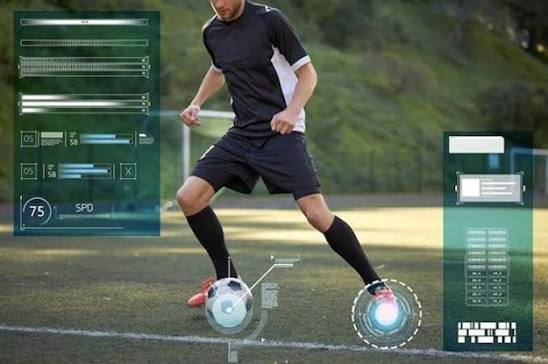
Modern technologies can make biomechanical analysis more detailed and useful. Motion-capture cameras, accelerometers, gyroscopes, and pressure sensors can provide information about athletic movement. A coach might use video analysis to examine a player’s landing technique or wearable sensors to monitor changes in movement during exercise. This information can help athletes improve technique, coordination, and movement control. Biomechanics can also help identify inefficient movement patterns that may contribute to unnecessary physical stress. However, the information must be interpreted according to the athlete’s sport, physical condition, experience, and individual requirements.
Important Features Associated With Harmonicode Sports
One of the main features associated with the Harmonicode Sports concept is performance tracking. This involves collecting information about different aspects of physical activity, including speed, endurance, strength, reaction time, and movement consistency. Wearable fitness trackers and specialised sports sensors can help collect these measurements during training. Coaches can then review the information to understand whether an athlete is improving over time. Consistent tracking is particularly useful because a single impressive result does not necessarily indicate long-term progress. Looking at performance across several weeks or months provides a more meaningful picture of athletic development.
Another commonly discussed feature is personalised training support. Every athlete has different abilities, goals, physical requirements, and training limitations. A young football player developing basic skills may need a different programme from an experienced professional preparing for an important competition. Data-driven training can help identify individual strengths and areas that require additional attention. Movement analysis, recovery monitoring, and performance reports can contribute to more focused coaching. Other ideas associated with modern sports technology include real-time feedback and injury-risk assessment. However, these features should not be assumed to be available as verified Harmonicode products without clear supporting evidence.
Benefits of Harmonicode Sports for Athletes and Coaches
The biggest potential benefit of the ideas connected with Harmonicode Sports is improved understanding of athletic performance. Athletes often spend considerable time practising techniques and building physical fitness, but they may not always know which aspects of their training need attention. Performance analytics can provide measurable information that makes improvement easier to evaluate. For instance, a runner can monitor changes in pace, distance, and training intensity, while a tennis player can review movement patterns and serving consistency. These details can help athletes establish realistic goals and maintain a more organised approach to development.
Coaches can also benefit from combining practical experience with reliable performance information. Instead of relying entirely on memory or general observations, they can review training records and identify patterns across different sessions. This can support better communication between coaches and players and help teams make more informed decisions. Another potential advantage is improved awareness of recovery requirements. Training too frequently without sufficient recovery can affect performance and increase physical stress. Monitoring workload, sleep, and fatigue may help athletes recognise when adjustments are necessary. However, these benefits come from established sports science practices and suitable technologies rather than from any unverified claims about a particular platform.
Harmonicode Sports in Different Sporting Activities
The ideas associated with Harmonicode Sports can be considered across several sporting disciplines because performance measurement is relevant to almost every physical activity. In football, coaches may examine sprinting speed, player positioning, running distance, and movement intensity. Basketball teams can use performance information to study jumping ability, acceleration, shooting accuracy, and defensive movement. In athletics, runners and sprinters may benefit from analysing stride length, running mechanics, reaction time, and pacing. These examples demonstrate how sports analytics can support different training requirements without changing the fundamental skills needed to succeed in each sport.
Other activities, including cycling, swimming, tennis, and strength training, also benefit from modern performance-monitoring tools. Cyclists can examine speed, power output, and training intensity, while swimmers can use video analysis to improve stroke technique and body position. Tennis players can study footwork, serve placement, and court coverage. Strength athletes may monitor lifting technique, movement control, and training loads. Esports also offers another interesting connection because competitive gaming involves reaction time, concentration, decision-making, and hand-eye coordination. These applications demonstrate the broad possibilities of sports technology and explain why digital performance analysis is becoming relevant across different sporting communities.
Safety, Reliability, and Things to Know Before Using Harmonicode Sports
Anyone researching Harmonicode Sports should understand the difference between a promising concept and a verified commercial product. A website describing biomechanics, and advanced performance tracking does not automatically demonstrate that it has developed reliable technology. Before using a service, readers should look for clear information about its developers, company background, available products, technical documentation, and independent testing. They should also check whether the website provides genuine customer support and explains how personal information is collected and protected. These precautions are particularly important when a platform requests account registration, payment information, or access to fitness data.
It is equally important to avoid unrealistic claims about athletic performance and injury prevention. No software can guarantee that an athlete will avoid injuries or achieve a particular competitive result. Sports performance depends on many factors, including physical preparation, nutrition, sleep, technique, genetics, mental focus, and coaching quality. Any digital recommendation should be considered alongside professional advice and an athlete’s individual circumstances. Readers should also check the exact website address and ownership details when researching Harmonicode Sports. This helps prevent confusion between similarly websites and ensures that information is coming from the intended source.
The Future of Harmonicode Sports and Modern Sports Technology
The future of sports technology is likely to involve more personalised training, improved movement analysis, and better connections between wearable devices and digital performance platforms. As sensors become more accessible, athletes at different levels may gain opportunities to monitor their training without requiring expensive professional equipment.
Harmonicode Sports reflects interest in this wider movement towards combining athletics with digital innovation. Its associated themes highlight subjects that are increasingly important in modern sports, particularly biomechanics, performance analytics, machine learning, and real-time feedback. However, its future credibility will depend on whether its specific claims can be supported by transparent information, working products, reliable technology, and independent evidence. An interesting concept is not enough to establish long-term value. For readers, the most sensible approach is to remain interested in new developments while evaluating their actual capabilities rather than relying on promotional language.
Conclusion
Harmonicode Sports is an interesting term associated with the growing relationship between athletic performance and modern technology. Its online descriptions connect the concept with biomechanics, machine learning, wearable sensors, sports analytics, and personalised training. These subjects are relevant to the development of modern athletics because they demonstrate how digital information can help athletes and coaches understand physical performance more effectively.
However, it is important to recognise that Harmonicode Sports has not yet been established as a widely recognised sports organisation or independently verified performance technology platform. The technologies discussed alongside the harmonicode sports are genuine areas of sports science, but that does not confirm that every feature attributed to Harmonicode is available or proven. Anyone exploring Harmonicode Sports should focus on reliable information, transparent services, and realistic expectations. Ultimately, the value of sports technology comes from how accurately and responsibly it supports athletes, coaches, and the wider sporting community.