


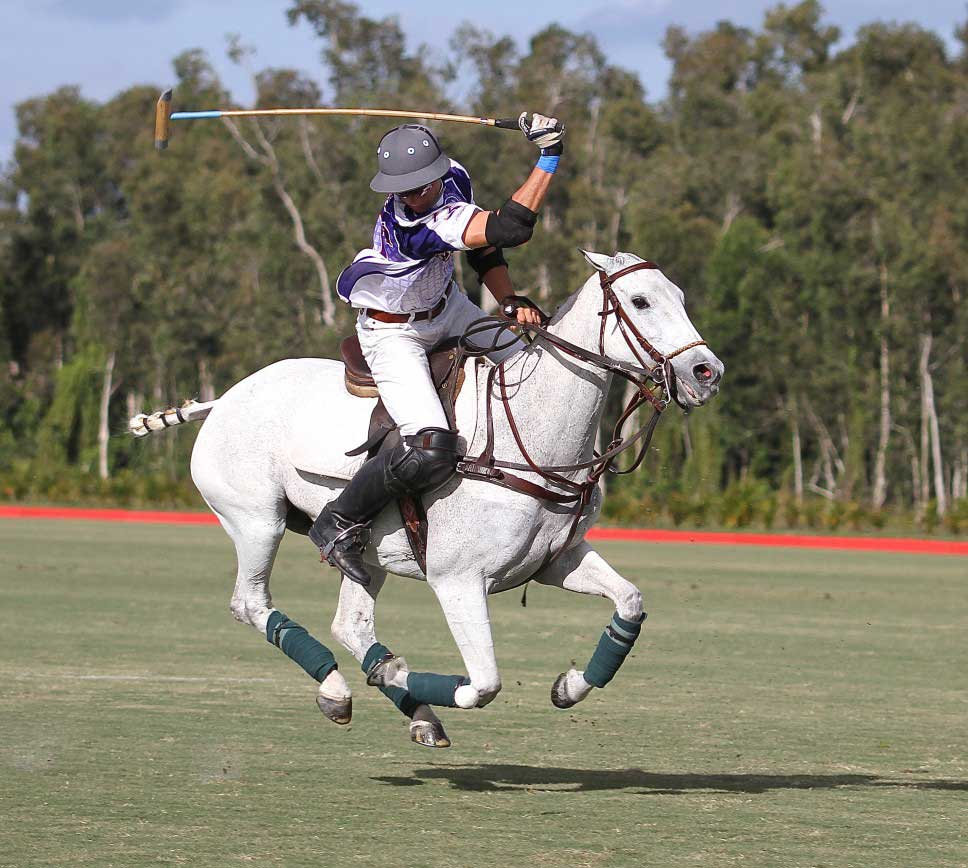
Horse polo is a fast-paced equestrian sport that combines skilled riding, teamwork, strategy, and precise ball control. Players ride horses while using long-handled mallets to hit a small ball toward the opposing team’s goal. Although the basic idea sounds simple, horse polo requires excellent horsemanship, quick reactions, physical fitness, and a strong understanding of positioning and tactics.
horse polo The sport has a history stretching back thousands of years and has developed from ancient mounted games into an organized international competition. Modern polo is played in different formats, including outdoor field polo and arena polo. It is also practiced by men and women at amateur, collegiate, professional, and international levels. Understanding its history, rules, horses, equipment, and playing techniques makes it easier to appreciate why horse polo remains such a distinctive sport.
What Is Horse Polo?
Horse polo is a team sport played on horseback in which riders use mallets to strike a ball toward a goal. Traditional outdoor polo generally features four players on each team. Players must control their horses while simultaneously watching the ball, opponents, teammates, and the direction of play. A goal is scored when the ball passes through the opposing team’s goal.
The sport is unusual because the horse is an active part of the competition rather than simply a means of transportation. A polo horse needs to accelerate quickly, stop, turn sharply, and respond to subtle instructions from the rider. The rider must also be able to hit the ball accurately while moving at speed. This combination of riding and ball-handling skills makes horse polo one of the most demanding equestrian team sports.
History and Origins of Horse Polo
The origins of polo can be traced back more than two thousand years to mounted games played in parts of Central Asia and Persia. Early versions were not necessarily identical to the organized sport played today, but they involved riders using sticks to control a ball while mounted. The activity eventually became associated with military training, horsemanship, and royal or aristocratic culture in several regions.
The modern development of polo was strongly influenced by the traditional mounted game played in Manipur, India. British military officers encountered the sport there during the nineteenth century and helped introduce it to other parts of the world. Polo subsequently spread to Britain, Argentina, the United States, Australia, and other countries. In the United States, the sport arrived in 1876, and the United States Polo Association was established in 1890 to help organize competitions, rules, and handicaps.
How Does a Polo Match Work?
A traditional outdoor polo match is divided into periods known as chukkas or chukkers. The number of chukkas can vary according to the competition, but high-level outdoor matches commonly use six chukkas. Each period is short and intense, allowing players and horses to work at a high level without maintaining maximum effort for an extended continuous period.
The ball changes direction frequently as players attack, defend, pass, and challenge one another. After a goal, play restarts and the teams change direction. Because horses can travel at high speed, a single attacking move can cover a large part of the field. Players often make long hits downfield before teammates move into position to receive the ball.
What Are the Basic Rules of Horse Polo?
One of the most important concepts in polo is the line of the ball. When the ball is hit, it creates a line showing its direction of travel. Players generally need to approach and challenge the ball without dangerously crossing this line into another player’s path. This principle is central to maintaining safety because horses and riders can collide if they suddenly move across one another.
Players can defend by riding alongside an opponent and using controlled physical positioning, commonly known as a ride-off. In certain situations, a player can also hook an opponent’s mallet with their own. Dangerous riding, careless challenges, and illegal interference can result in fouls and penalties. Specific rules can vary between governing organizations and tournament formats, so players must understand the regulations used in their particular competition.
What Are the Positions in Horse Polo?
Traditional outdoor horse polo has four players on each team, with each player generally assigned a numbered position from one to four. The No. 1 player is usually an attacking player whose responsibilities include creating scoring opportunities and finishing attacks. The No. 2 often has both attacking and defensive responsibilities and helps connect the forward movement of the team.
The No. 3 is commonly an important tactical player who helps organize the team’s attack and defense. The No. 4, often called the back, usually has a strong defensive role and protects the team’s goal. These descriptions are useful for understanding the traditional structure, but players do not remain in fixed positions throughout a match. Polo is highly fluid, and every player may need to attack or defend depending on where the ball is.
What Are Polo Horses Like?
The horses used for polo are often called polo ponies, even though many are full-sized horses rather than ponies. A successful polo horse needs a combination of speed, stamina, balance, agility, responsiveness, and a calm temperament. The ability to accelerate and change direction quickly is particularly valuable because horse polo frequently requires sudden movements.
Thoroughbreds and Thoroughbred crosses are commonly found in polo, although horses from different backgrounds can succeed when they have the appropriate athletic ability and temperament. Training is extremely important. A good polo horse learns to respond to the rider’s hands, legs, weight, and voice while remaining focused despite the noise, movement, mallets, and other horses around it.
Why Do Polo Players Use Several Horses?
Players at competitive levels commonly use more than one horse during a match. This practice allows individual horses to recover between periods of intense activity. A polo horse may be required to sprint, stop, turn, and accelerate repeatedly, so managing fatigue is an important part of responsible competition.
The number of horses used by a player depends on the level and format of the match, the rules of the tournament, and the player’s available string of horses. Experienced players often develop a group of mounts with different strengths. One horse may be particularly quick and agile, while another may have exceptional stamina or a strong sense of anticipation. The relationship between player and horse can become highly refined through regular training and competition.
What Equipment Is Used in Horse Polo?
The most recognizable piece of horse polo equipment is the mallet. A polo mallet has a long shaft and a specialized head designed to strike the ball. Players may use different mallets depending on personal preference, playing style, and the type of polo being played. The ball itself is designed to withstand repeated impacts while remaining suitable for fast play on the field.
Riders also use specialized protective and riding equipment. Helmets are essential for reducing the risk of serious head injuries, while boots and knee protection provide additional support and protection. Polo horses may wear protective leg wraps or other equipment designed to help protect their legs during play. Properly fitted equipment is important because poor fit can interfere with movement, comfort, or safety.
What Is the Polo Handicap System?
The polo handicap system is used to rate players according to their overall playing ability. A player’s handicap reflects more than simply the number of goals they score. Riding skill, ball control, tactical understanding, teamwork, consistency, and overall contribution to the team are considered when determining ability.
In the traditional handicap system, a higher rating indicates a stronger player. The highest commonly recognized individual handicap is 10 goals, while developing players can have lower or even negative handicaps depending on the system being used. Team handicaps are calculated from the individual ratings of the players. In handicap tournaments, differences between team ratings can result in an adjustment to the starting score.
Outdoor Polo and Arena Polo
Outdoor polo is played on a very large grass field and provides plenty of space for horses to reach high speeds. The size of the field allows players to make long passes and use wide tactical movements. Spectators can see players switching rapidly between attack and defense as the ball moves from one end of the field to the other.
Arena polo is played on a much smaller enclosed surface and normally has three players per team. The surrounding walls keep the ball in play more frequently and create a faster, more concentrated style of competition. Arena polo requires quick reactions and close control because players have less space to work with. Although outdoor and arena polo share the same basic concept, their playing environments create different tactical challenges.
Horse Welfare and Safety in Polo
Horse welfare is a fundamental responsibility in modern horse polo. Polo horses are athletic animals that undergo demanding physical activity, so they require appropriate conditioning, nutrition, hydration, veterinary care, rest, and recovery. Trainers and players must monitor horses for signs of fatigue, injury, overheating, or other health problems before allowing them to compete.
Safety also applies to riders and other horses on the field. Proper helmets, protective equipment, experienced officials, suitable playing surfaces, and responsible riding practices all help reduce unnecessary risks. Rules governing the line of the ball and dangerous play exist partly to prevent collisions. Good polo depends not only on competition but also on maintaining a strong culture of respect for horses, teammates, opponents, officials, and the sport itself.
Why Is Horse Polo Still Popular?
Horse polo continues to attract players and spectators because it combines several forms of athletic skill in one sport. Riders need to be capable horsemen while also developing accurate mallet control, tactical awareness, physical fitness, and teamwork. The pace of the game can change within seconds, creating exciting moments when a defensive play immediately becomes a fast attack.
horse polo has also developed into an international sport with clubs, tournaments, youth programs, women’s competitions, collegiate programs, and professional players in many countries. Argentina is particularly well known for producing elite polo players and horses, while countries across Europe, North America, Asia, Australia, and the Middle East also maintain active polo communities. The sport’s long history continues to influence its traditions, but modern polo increasingly emphasizes accessibility, organized competition, safety, and equine welfare.
Conclusion
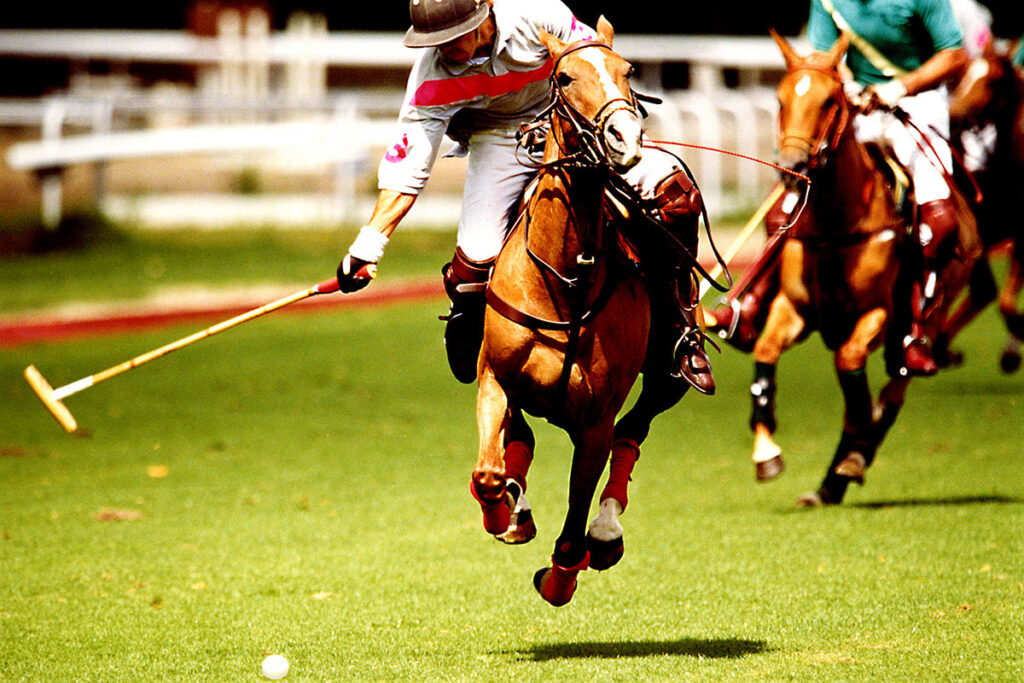
Horse polo is a unique equestrian team sport built around the partnership between horse and rider. Its ancient origins, fast-paced gameplay, specialized equipment, tactical rules, and demanding horsemanship have helped it remain popular for centuries. Players must do far more than simply hit a ball; they must control a powerful athletic animal while making quick decisions and working closely with teammates.
Whether it is played on a large outdoor field or in a smaller arena, polo requires skill, discipline, courage, and respect for the horse. Understanding the history of polo, its rules, positions, handicaps, equipment, and horse welfare practices provides a much clearer picture of the sport.
