


The London Underground is one of the world’s most famous transport systems, but the network beneath the capital contains far more than the stations and tunnels passengers see every day. Behind locked doors and unused platforms are abandoned stations, forgotten passageways, wartime shelters, secret bunkers, old lift shafts, engineering spaces, and traces of railway projects that were never completed. These hidden places reveal how London’s Underground developed and changed over more than a century.
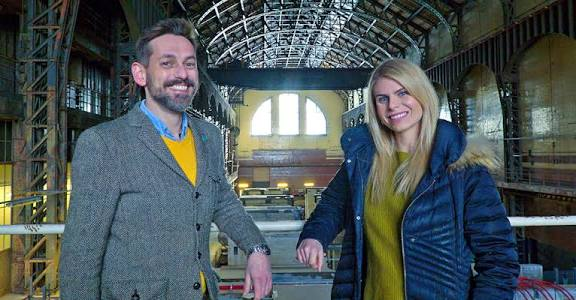
Secrets of the London Underground is a British documentary series that explores this fascinating hidden world. Railway historian Tim Dunn and Siddy Holloway from the London Transport Museum visit locations that are normally inaccessible to the public and investigate their history. The series first aired in 2021 and ran for four series, with the fourth series broadcast in 2024. Across its episodes, the program explores disused stations, abandoned tunnels, railway engineering, wartime history, and unusual features hidden beneath London’s streets.
What Is Secrets of the London Underground?
Secrets of the London Underground is a factual documentary series devoted to the hidden history of London’s Tube network. The program takes viewers behind the ordinary passenger experience and explores places that have been closed, forgotten, repurposed, or hidden from public view. Tim Dunn and Siddy Holloway investigate abandoned stations, secret staircases, old tunnels, shelters, control facilities, and other unusual parts of the Underground.
secrets of the london underground is produced for the UKTV network and was originally broadcast on Yesterday. The first episode aired in July 2021, and the series quickly attracted a large audience. Its popularity led to additional seasons, expanding the program from London’s abandoned railway locations to working infrastructure, historic engineering sites, transport archives, and unusual features that remain part of the modern Underground.
Tim Dunn and Siddy Holloway
Tim Dunn is a railway historian and television presenter whose work focuses heavily on Britain’s railway heritage. His knowledge of railway architecture, engineering, transport history, and old railway routes helps explain why particular Underground stations were constructed and how they developed. His enthusiasm for Britain’s railways gives the program an accessible style without making the subject difficult for general viewers.
Siddy Holloway brings specialist knowledge of London’s transport heritage. She is closely associated with the London Transport Museum and its Hidden London program, which provides access to selected historic and disused Underground locations. Her knowledge of London’s forgotten transport spaces allows the series to investigate areas that would otherwise remain inaccessible to most people. Together, Dunn and Holloway provide two complementary perspectives on the history of the Tube.
Why Are There Abandoned London Underground Stations?
secrets of the london underground, The London Underground has been expanding, changing, and rebuilding for generations, so it is unsurprising that some stations eventually became unnecessary. Passenger numbers changed as London’s population moved between areas, while new stations and improved routes sometimes made older stations less useful. Some stations were also too close to neighboring stations to remain financially practical.
secrets of the london underground, As a result, London has a collection of abandoned or relocated Underground stations. Some were closed after years of passenger service, while others were never fully opened. There are also stations whose platforms disappeared while sections of their tunnels survived. These locations provide an unusual record of London’s changing transport needs and demonstrate how different the Underground could have looked if earlier plans had continued.
Aldwych and the Hidden Holborn Branch
Aldwych is among the most recognizable abandoned Underground locations. Originally opened as Strand station in 1907, it served a short branch from Holborn. The branch never developed into the major route that its planners had hoped for, and passenger service eventually ended in 1994. Much of the station remained surprisingly well preserved after closure.
Aldwych became particularly valuable for understanding the visual history of the London Underground because parts of the station retained old tiles, platforms, corridors, and other features. Its unusual appearance has also made it attractive to filmmakers. The location has been used for numerous productions, helping introduce audiences to the hidden architecture of London’s Underground even when they have never visited the station themselves.
Wartime Shelters and Secret Bunkers
secrets of the london underground, One of the most fascinating aspects of London’s Underground history is its role during times of war. During the Second World War, many underground spaces were used to protect people from bombing. Deep-level shelters were created beneath the capital, while existing Underground stations and tunnels were adapted for emergency purposes.
secrets of the london undergroundexplores locations that demonstrate how railway infrastructure could be transformed during national emergencies. Clapham South is particularly notable because its deep-level shelter provided accommodation for thousands of people during the war. Other locations had more specialized roles, including offices and communications facilities. These hidden spaces provide a physical connection to the experience of London during the Blitz and the wider history of wartime Britain.
North End and the Forgotten Station
North End, sometimes associated with the Bull and Bush, is one of the most unusual unfinished Underground projects. The station was constructed on the Northern line beneath Hampstead Heath but was abandoned before it could open for normal passenger service. Parts of the infrastructure therefore remained hidden beneath the area for decades.
secrets of the london underground, The story of North End shows that not every Underground project reached completion. Changing expectations about passenger demand and the development of surrounding areas affected railway plans. The location later gained another purpose during the Cold War, adding another layer to its history. What began as an incomplete railway station became associated with emergency planning and London’s preparations for possible conflict.
Hidden Engineering and Unusual Tube Designs
The secrets of the london underground are not limited to abandoned stations. The network contains remarkable examples of engineering, including ventilation systems, old lift shafts, unusual passageways, flood protection, control facilities, and experimental designs. Some features were created to solve problems that modern passengers may never realize existed.
secrets of the london underground, Holloway Road provides a particularly interesting example because it was associated with an experimental spiral escalator. The experiment did not become a standard feature of the London Underground, but surviving evidence helps illustrate how engineers tried different approaches to moving passengers underground. The history of these experiments demonstrates that the Tube was not built according to one fixed design but developed through decades of testing and adaptation.
Hidden London Transport Museum Archives
The London Transport Museum plays an important role in uncovering the history presented in the series. Its collections contain photographs, posters, maps, drawings, signs, engineering records, vehicles, objects, and other materials connected with London’s transport history. These historical resources can reveal what stations looked like before reconstruction and provide information about railway projects that disappeared from the modern network.
The museum’s Acton Depot is especially important because it contains a large collection of transport-related material. In the documentary, historical documents and objects help connect the physical locations being explored with their past. A forgotten platform becomes easier to understand when old photographs, maps, plans, and railway equipment reveal how it once operated.
Secrets of the London Underground Series and Episodes
The first series of Secrets of the London Underground premiered in 2021 with six episodes. It explored places including Holborn and Aldwych, North End, Piccadilly Circus, Euston, St Mary’s, and Clapham South. The series established the program’s distinctive format of visiting hidden locations while also examining historic objects and documents connected with the London Underground.
The second and third series expanded the program with ten episodes each, while the fourth series also contained ten episodes. Later episodes explored locations including Charing Cross, King William Street, Brompton Road, Camden Town, South Kensington, Marylebone, Down Street, Earl’s Court, Paddington, Waterloo, South Kentish Town, the Thames Tunnel, Ruislip Depot, Stockwell, Gloucester Road, and Old Street. The program therefore covers both abandoned locations and unusual features within active parts of London’s transport network.
Why Secrets of the London Underground Is Popular
The appeal of the series comes from its sense of discovery. Millions of people use the London Underground, yet passengers normally see only a small part of the infrastructure surrounding them. The idea that an abandoned platform, forgotten staircase, or old tunnel may be only a few metres away from a busy modern station creates a natural sense of mystery.
The program also works because it connects railway history to the broader history of London. A forgotten station can reveal changes in population and transport planning, while a wartime shelter can explain how Londoners experienced the Second World War. Engineering discoveries can show how designers solved difficult problems underground. This combination of history, architecture, engineering, travel, and storytelling gives Secrets of the London Underground an appeal that extends well beyond railway enthusiasts.
The Legacy of London’s Hidden Underground
The locations featured in the program demonstrate that London’s Underground is not simply a transport network. It is also a historical record of the city. Every abandoned platform and sealed passage tells something about changing technology, urban development, economic decisions, war, architecture, and everyday life. Some forgotten locations have disappeared almost completely, while others remain remarkably well preserved.
Interest in these places has also helped increase public appreciation for London’s transport heritage. Programs such as Secrets of the London Underground make historical infrastructure understandable to a modern audience and encourage people to look more closely at the stations they use. The network’s visible features are only part of the story, and its hidden spaces provide some of the most intriguing evidence of London’s past.
Conclusion
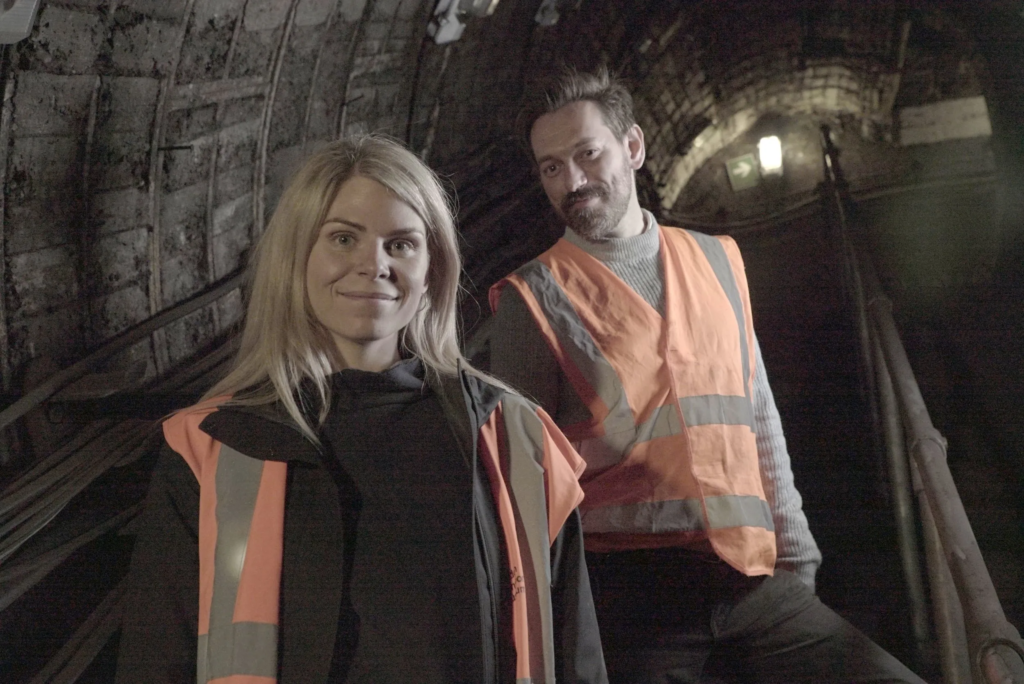
Secrets of the London Underground reveals a fascinating side of London that most passengers never see. Through the work of Tim Dunn and Siddy Holloway, the documentary explores abandoned stations, hidden tunnels, wartime shelters, unfinished railway projects, historic engineering, and forgotten spaces beneath the capital.
From Aldwych and North End to Clapham South, Down Street, Charing Cross, South Kentish Town, and other locations, the series shows how the Underground has changed over generations. Its hidden spaces reflect London’s development, its wartime experiences, its engineering ambitions, and its changing transport needs.
