


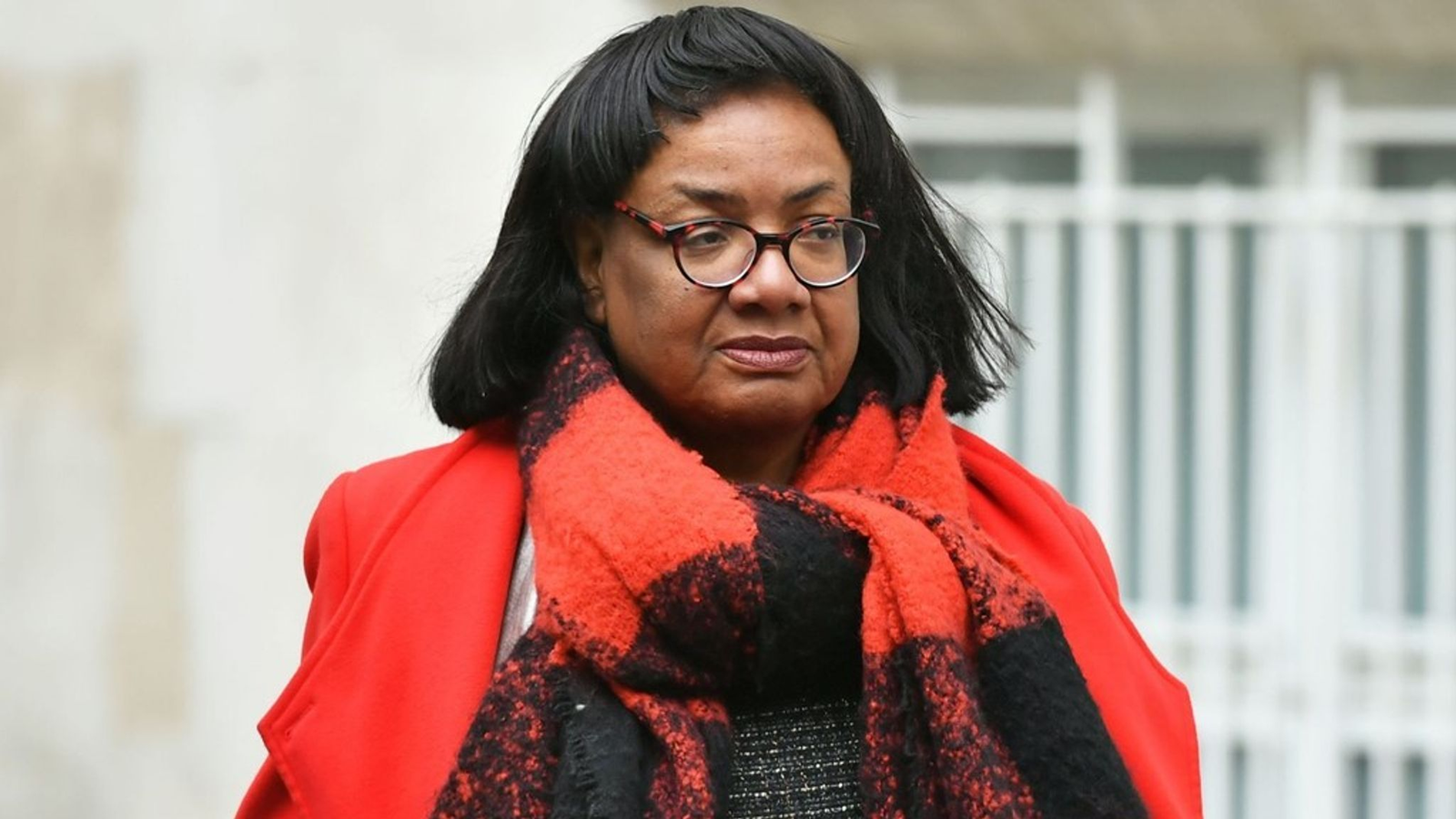
Diane Abbott is one of the most prominent figures in modern British politics. She made history in 1987 when she became the first Black woman elected to the House of Commons. Since then, she has represented Hackney North and Stoke Newington continuously, building one of the longest parliamentary careers in British political history. Her work has focused strongly on race equality, civil liberties, policing, immigration, education, social justice and human rights.
Born in London in 1953 to Jamaican parents, diane abbott studied history at Newnham College, Cambridge. Before entering Parliament, she worked as a civil servant, campaigner, journalist and public relations consultant. Her varied early career helped shape her approach to politics and public communication.
Diane Abbott’s Early Life and Education
Diane Abbott was born in London in 1953 to parents of Jamaican heritage. Growing up in Britain during a period of significant social and political change, she developed an early interest in public affairs, civil rights and racial equality. Her experiences as the daughter of Jamaican immigrants later became an important part of her understanding of British society and politics.
Abbott attended Harrow County Grammar School for Girls before gaining admission to Cambridge University. She studied history at Newnham College, Cambridge, where she developed strong analytical and communication skills. Her university education gave her a valuable foundation for a career that would eventually move from public administration and campaigning into journalism and parliamentary politics.
Diane Abbott’s Career Before Parliament
After graduating from Cambridge, Abbott joined the Home Office as a civil servant. This experience gave her an understanding of how government departments operate and how public policy is developed and implemented. She later moved into campaigning and worked for the National Council for Civil Liberties, an organisation now known as Liberty, where she became involved in civil liberties and human rights issues.
Abbott subsequently developed a career in journalism and broadcasting. She worked as a reporter for TV-am and Thames Television and also worked as a freelance journalist and public relations consultant. Her media experience became useful throughout her political career because she was comfortable communicating complex political issues directly to the public.
Diane Abbott Makes Political History in 1987
Diane Abbott was elected as the Labour MP for Hackney North and Stoke Newington at the 1987 general election. Her election was historic because she became the first Black woman elected to the British Parliament. Bernie Grant and Paul Boateng were also elected that year, marking an important breakthrough for Black representation at Westminster.
Abbott’s election represented a major change in British political life. At the time, Parliament was considerably less diverse than it is today, and Black women were particularly underrepresented. Her achievement therefore became significant not only for her constituency but also for generations of people who wanted to see greater ethnic and gender diversity in British public life.
Diane Abbott and Hackney North and Stoke Newington
Diane Abbott has represented Hackney North and Stoke Newington since 1987, making her one of the longest-serving MPs in the country. She has repeatedly won the constituency across numerous general elections and has maintained a strong political connection with the area. Her constituency work has covered both local concerns and wider national political issues.
Hackney and Stoke Newington have experienced major social and economic changes during Abbott’s time as an MP. Housing, education, policing, public services, immigration and inequality have all featured prominently in political discussions affecting the area. Abbott has regularly used her parliamentary position to raise issues affecting local residents while also campaigning on subjects of national importance.
Diane Abbott’s Political Views and Campaigns
Throughout her career, Diane Abbott has generally been associated with the left of the Labour Party. She has been a strong campaigner on racial equality, human rights, civil liberties and social justice. Her political interests have also included policing, stop and search, surveillance, immigration detention and the treatment of minority communities.
Abbott has often taken positions that challenge established political thinking. She has spoken strongly against policies that she believes disproportionately affect poorer communities or ethnic minorities. Her parliamentary career has also included work on international affairs, peace and security. Her approach has frequently emphasised the importance of fairness, accountability and protecting individual rights.
Diane Abbott and the Labour Party
Abbott has had a long relationship with the Labour Party and served on its National Executive Committee during the 1990s. She later held several important opposition positions, including Shadow Minister for Public Health, Shadow Secretary of State for International Development and Shadow Secretary of State for Health.
Abbott became the first Black British woman to contest the Labour leadership election. Although she did not win, her candidacy was historically significant. She became Shadow Home Secretary under Jeremy Corbyn, making her the first Black person to hold that particular senior opposition role. She remained in the position until 2020.
Diane Abbott as Shadow Home Secretary
The role of Shadow Home Secretary placed Abbott at the centre of some of Britain’s most important political debates. The Home Office is responsible for areas including policing, immigration, national security and domestic affairs, so the position carries considerable political importance. As Shadow Home Secretary, Abbott was responsible for scrutinising government policy and presenting Labour’s alternative approach.
Her time in the role involved difficult debates about immigration, counterterrorism, policing and civil liberties. Abbott also continued to raise concerns about racial inequality and the treatment of minority communities. Her outspoken political style generated both support and criticism, contributing to her status as one of the most recognisable figures on the Labour left.
Diane Abbott’s Controversies and Political Challenges
Diane Abbott has faced significant controversy during her long parliamentary career. In 2023, she was suspended from the Labour Party after comments concerning racism and Jewish people. The episode generated extensive public debate about racism, antisemitism, political language and the responsibilities of elected representatives.
Abbott was later suspended again following a separate controversy involving a social media post about Israel and the Israel Defense Forces. She was readmitted to the Labour Party following an internal disciplinary process and received a formal warning. She apologised that conflated the actions of the Israeli state with the Jewish community. These events became another significant chapter in her long and sometimes controversial political career.
Diane Abbott’s Family and Personal Life
Diane Abbott has generally maintained a degree of privacy regarding her family life. She has one son, James Abbott, who was born in 1991. Her experiences as a mother and a woman working in Westminster have contributed to wider discussions about the challenges faced by women balancing political careers and family responsibilities.
Abbott has also spoken about her Jamaican family background and the influence of her upbringing on her political outlook. Her parents’ migration to Britain connects her personal history with the wider story of the Windrush generation and Britain’s changing multicultural society. These experiences have helped inform her longstanding interest in race, immigration and equality.
Diane Abbott’s Achievements and Legacy
Diane Abbott’s most significant achievement remains her historic election in 1987 as the first Black woman to become a British MP. Her continued service in the House of Commons has also made her an important figure in the history of women’s political representation. She had become the longest-serving woman in the Commons and was recognised as the Mother of the House.
Beyond Parliament, Abbott founded the London Schools and the Black Child initiative, which focuses on improving educational achievement among Black children. Her career has also included committee work and campaigning on civil liberties, race equality and social justice. Her longevity has given her a unique perspective on how British politics and society have changed since the 1980s.
Diane Abbott’s Continuing Political Role
Diane Abbott continues to serve as the MP for Hackney North and Stoke Newington. After being re-elected at the 2024 general election, she continued her parliamentary career despite the political difficulties she had experienced within Labour. Her readmission to the party marked another important development in her relationship with Labour.
Her continuing presence at Westminster is significant because few British politicians have served through such a long period of political and social change. Abbott entered Parliament during the late 1980s and has witnessed changes in governments, political parties, technology, media and public attitudes. Her career remains closely associated with debates about representation, race equality and the role of Black women in British public life.
Conclusion
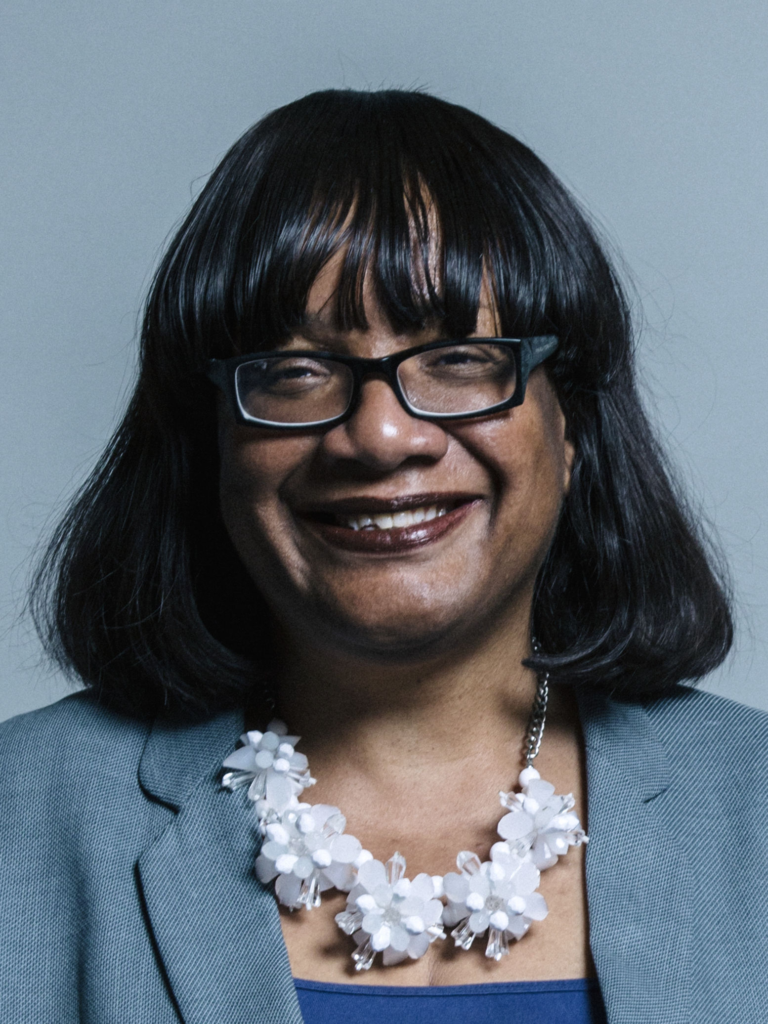
Diane Abbott has had an extraordinary career in British politics. From her early work in the civil service and civil liberties movement to her experience in journalism and her historic election to Parliament in 1987, she has spent decades participating in some of Britain’s most important political debates.
Her career has included senior Labour positions, major achievements, difficult controversies and extensive campaigning on equality and civil liberties. Whatever opinions people may hold about her political views, her historical importance is undeniable.
