


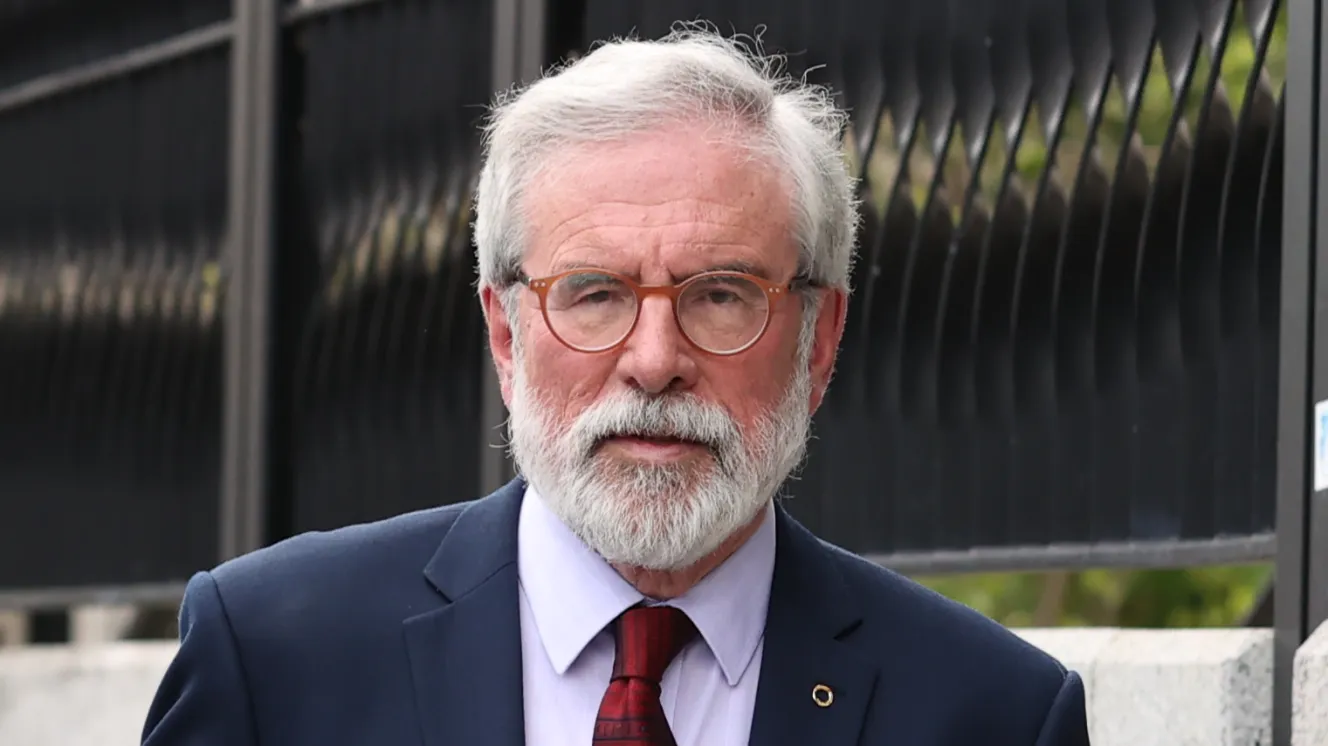
Gerry Adams is one of the most influential and controversial figures in modern Irish politics. For decades, he has been closely connected with Irish republicanism, Sinn Féin, the Northern Ireland conflict, and the long journey toward peace. Supporters see him as an important political strategist who helped move Irish republicanism toward negotiations and democratic politics.
Understanding Gerry Adams requires looking at the wider history of Northern Ireland as well as his personal political journey. His career covers civil rights activism, imprisonment, electoral politics, difficult peace negotiations, and major debates about Ireland’s future.
Early Life and Background of Gerry Adams
Gerard “Gerry” Adams was born in Belfast in 1948 and grew up in the Ballymurphy area of West Belfast. He came from a working-class Catholic and republican family at a time when Northern Ireland was deeply divided along political, religious, and national lines. His early experiences in Belfast shaped his understanding of inequality, identity, and the political tensions that would later develop into a prolonged conflict.
As a young man, Adams became involved in the civil rights movement of the late 1960s. The movement called attention to issues such as housing, employment, voting rights, and discrimination. The growing unrest of that period eventually developed into the Troubles, a conflict involving republican and loyalist paramilitary groups, British security forces, and political organizations. Adams’s political development took place during these difficult and often violent years.
Gerry Adams and the Rise of Sinn Féin
Gerry Adams became increasingly active in Sinn Féin, the Irish republican political party that sought Irish unity and an end to British rule in Northern Ireland. He rose through the party during the 1970s and became president of Sinn Féin in 1983. Under his leadership, the party experienced major political changes and gradually expanded its role in elections and public life.
One of the most important developments associated with this period was the republican movement’s increased focus on electoral politics. Sinn Féin began building stronger political organizations and encouraging supporters to use democratic institutions alongside its broader campaign for Irish reunification. Adams became one of the most recognizable faces of Irish republican politics and helped bring the party greater attention both in Ireland and internationally.
The Controversy Surrounding the IRA
No discussion of Gerry Adams can ignore the controversy surrounding his alleged relationship with the Irish Republican Army, commonly known as the IRA. During the Troubles, the IRA carried out an armed campaign against British rule in Northern Ireland, while other paramilitary organizations also engaged in serious violence. The conflict caused the deaths of thousands of people and left lasting pain for victims and communities.
Adams has consistently denied being a member of the IRA. However, critics, political opponents, former participants, and some researchers have made different claims about his role within the wider republican movement. These remain part of public debate and explain why Adams continues to be such a divisive figure. A balanced understanding of his life should recognize both his importance in the peace process and the unresolved arguments surrounding his past.
Gerry Adams and the Northern Ireland Peace Process
One of the most significant parts of Gerry Adams’s political career was his involvement in efforts to end the Northern Ireland conflict. During the late twentieth century, political leaders and representatives from different communities began searching for ways to replace violence with negotiations. Adams became a key republican voice in this difficult process.
His discussions with other political figures, including nationalist leaders and representatives of the British and Irish governments, helped create opportunities for dialogue. The path to peace was neither simple nor quick. It involved ceasefires, disagreements, setbacks, and years of negotiation. Adams and other republican leaders faced the challenge of convincing their supporters that political progress could achieve more than continued conflict.
The Good Friday Agreement and a New Political Era
The Good Friday Agreement of 1998 became a historic turning point in Northern Ireland. The agreement created a new political framework based on power-sharing, democratic participation, and cooperation between different communities and governments. Although many individuals and organizations contributed to the negotiations, Gerry Adams and Sinn Féin played an important role in the republican side of the peace process.
The agreement did not erase the memories of the Troubles or solve every political disagreement. However, it provided a foundation for a more peaceful political future. Adams supported the transition toward democratic politics and negotiations, helping Sinn Féin become an increasingly important electoral force. The peace process demonstrated how political dialogue, compromise, and public support can gradually replace long periods of conflict.
Gerry Adams as a Political Leader
As president of Sinn Féin for more than three decades, Gerry Adams became known for his strong communication skills and political discipline. He helped transform the party from a relatively isolated political movement into a major force in Irish politics. His leadership style focused on organization, long-term strategy, and the goal of Irish reunification.
Adams also represented West Belfast as an elected politician for many years. His political career brought him into contact with international leaders and helped make the Northern Ireland peace process a global issue. At the same time, his leadership was often controversial, especially among those who disagreed with Sinn Féin’s political views the republican movement’s history. His ability to remain politically influential despite intense criticism is one reason he remains such an important figure in modern Irish history.
Retirement from Sinn Féin Leadership
Gerry Adams stepped down as president of Sinn Féin after serving in the position since 1983. His departure marked the end of an important era for the party. He was succeeded by a new generation of leaders, reflecting the continuing development of Sinn Féin and the changing political environment in Ireland and Northern Ireland.
Although he retired from the party leadership, Adams did not disappear from public life. He has continued to speak about Irish unity, peace, republican politics, and historical issues connected with the Troubles. His public statements and legal and political controversies have ensured that he remains part of national discussion. His influence is also visible in the political growth of Sinn Féin and the continued importance of Irish reunification in public debate.
Gerry Adams as an Author and Public Voice
Beyond politics, Gerry Adams is also an author who has written books about his life, Irish republicanism, Belfast, and the peace process. His published work includes autobiographical writing and political reflections that provide his personal perspective on major events. Books such as Before the Dawn, Hope and History, and A Farther Shore explore different periods of his life and political experience.
These writings are valuable for readers who want to understand Adams’s own interpretation of the events in which he participated. At the same time, his books represent one person’s viewpoint and should be considered alongside broader historical research and accounts from other participants. The history of Northern Ireland is complex, and no single political figure can fully explain it. Reading different perspectives helps create a more complete understanding of the conflict and the peace process.
The Lasting Legacy of Gerry Adams
The legacy of Gerry Adams remains complex and deeply debated. For supporters, he is a central figure in the transition from conflict toward peace and democratic politics. They believe his leadership helped bring Irish republicanism into negotiations and contributed to the political conditions that made the Good Friday Agreement possible. His supporters also point to his long-standing commitment to Irish unity and social equality.
For critics and many victims of the Troubles, Adams’s legacy cannot be separated from difficult arguing about the republican movement and the violence of the past. Northern Ireland’s history continues to involve painful memories, competing narratives, and demands for truth and accountability. This makes it impossible to describe Adams’s career in simple terms. His life represents both the political transformation of Irish republicanism and the continuing challenges of dealing honestly with a troubled past.
Conclusion
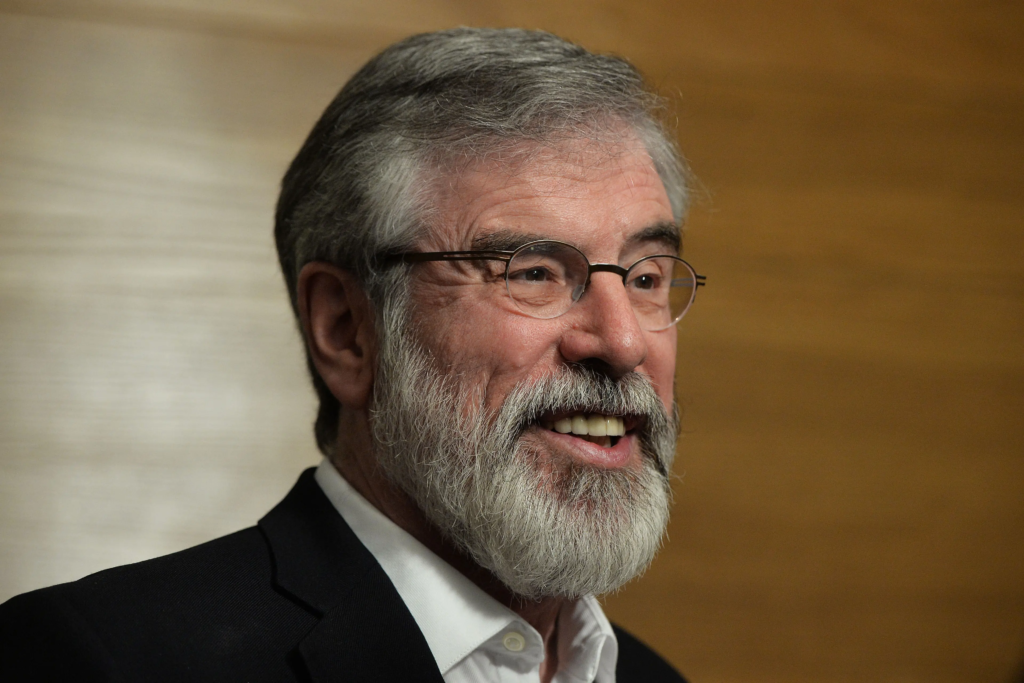
Gerry Adams remains one of the defining political figures of modern Ireland and Northern Ireland. From his early life in West Belfast to his long leadership of Sinn Féin, his career has been closely connected with some of the most important events in recent Irish history. His role in republican politics, the peace process, and the movement toward the Good Friday Agreement has given him lasting historical significance.
At the same time, his career remains controversial, and debates about his past continue to shape public opinion. The story of Gerry Adams is therefore also part of a larger story about conflict, identity, political change, and reconciliation.
