


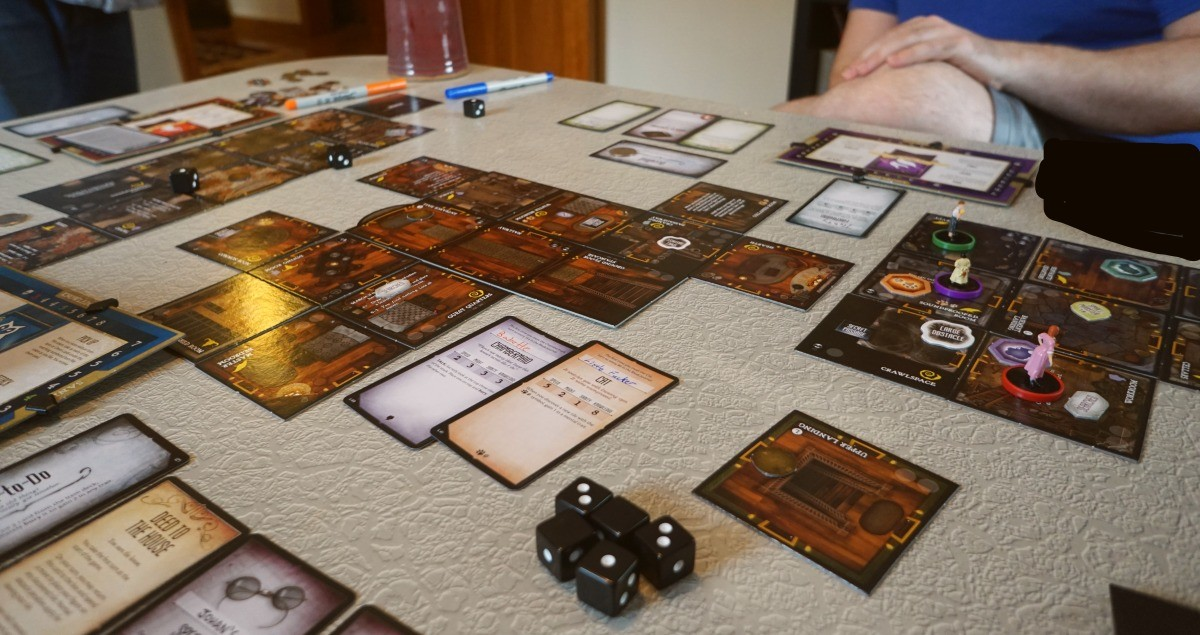
Betrayal Legacy is a horror-themed campaign board game that combines haunted-house exploration, hidden objectives, storytelling, and permanent changes. Published by Avalon Hill, the game builds on the ideas of Betrayal at House on the Hill but introduces a legacy system in which the decisions made during one session can influence future games.
betrayal legacy The game follows families across generations as they encounter the house and uncover its secrets. Players begin by working together, exploring rooms and collecting items, but a supernatural event eventually changes the situation. One player may become the traitor while the others become heroes, creating a tense conflict with different objectives.
What Is Betrayal Legacy?
Betrayal Legacy is a narrative horror board game designed for a campaign experience. Players take the roles of family members who explore a mysterious house while gradually discovering its history. The game combines cooperative exploration with hidden information and competitive objectives, meaning players may begin as allies but can eventually find themselves working against one another.
The central idea is that the game remembers what happens. Decisions, discoveries, victories, defeats, and other events can affect later chapters. The house and its history develop throughout the campaign, creating a personalized experience for each group. This legacy approach is one of the main features that separates Betrayal Legacy from a conventional board game.
How the Betrayal Legacy Campaign Works
The campaign begins with a prologue and continues through 13 chapters. Each chapter functions as a complete game while also contributing to a larger story. Players explore the house, encounter strange events, discover objects, and develop their family members before the supernatural threat eventually becomes the focus of the chapter.
What happens during one chapter can influence later sessions. The campaign is designed to make players feel that their decisions matter beyond a single night of gaming. Characters can survive, families can build histories, and parts of the game can be permanently changed. This creates a sense of continuity that is central to the Betrayal Legacy experience.
Exploring the Haunted House
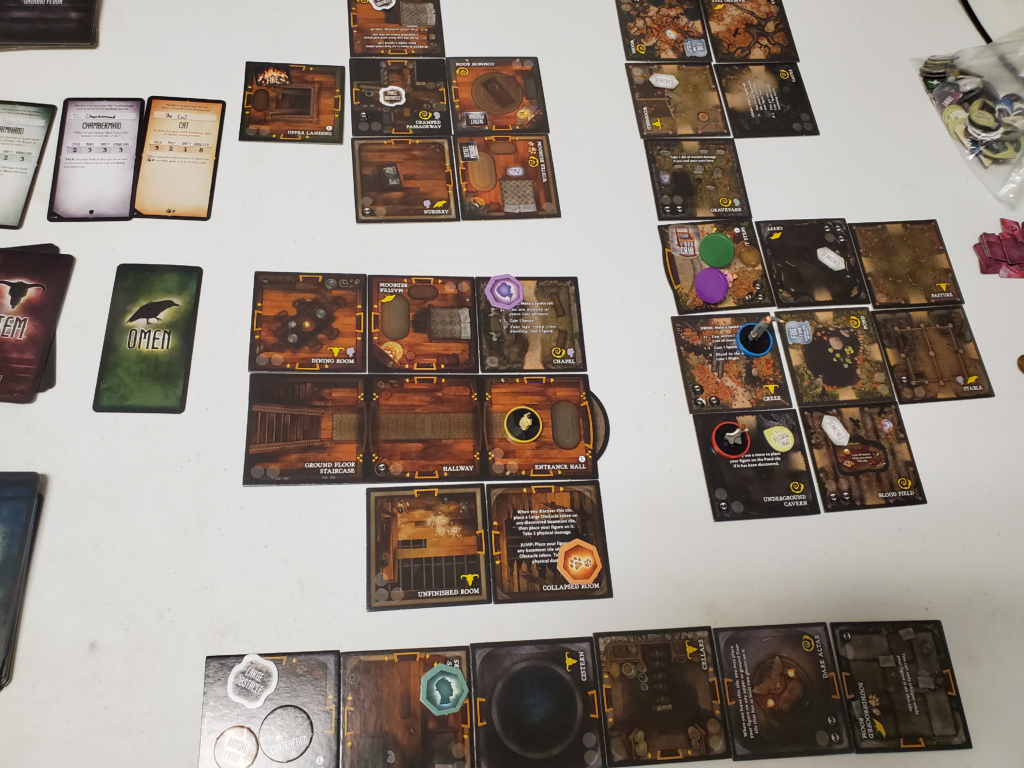
Exploration is one of the most important parts of Betrayal Legacy. Players move through the house and reveal new rooms as they explore. Different rooms can produce events, items, omens, and other discoveries that affect the characters and the developing story.
The house is not simply a background for the game. It becomes part of the campaign’s history. As players continue through different generations, the mansion develops its own identity based on what happened during previous chapters. This makes exploration feel more meaningful because players are discovering not only a physical location but also a growing story.
Understanding the Haunt
The haunt is the point at which the game changes dramatically. Before the haunt begins, players generally cooperate while exploring the house and strengthening their characters. Once the haunt is triggered, the game introduces a specific supernatural scenario and changes the objectives of the players.
In many scenarios, one player becomes the traitor while the remaining players become heroes. The traitor receives information and objectives that are hidden from the heroes, while the heroes have their own goals for surviving or stopping the threat. This hidden-information system creates uncertainty because players must determine what is really happening while attempting to accomplish their own objectives.
The Legacy System and Permanent Changes
The defining feature of Betrayal Legacy is its legacy system. During the campaign, players may be instructed to make changes that remain in place for future sessions. These can include modifying cards, adding stickers, recording information, introducing new elements, or changing aspects of the game.
These permanent changes make every campaign personal. A group can make decisions that influence the history and development of its own version of the house. As the campaign progresses, players are effectively creating a customized board game rather than simply following a fixed sequence of independent adventures.
Families, Characters, and Generations
Betrayal Legacy uses a family-based structure to connect different chapters. Players are not simply playing the same characters throughout the entire campaign. Instead, the story can move across generations, allowing the actions of one family member to influence what happens to later relatives.
This approach gives character decisions greater emotional weight. A character’s survival can become part of a family’s history, while a character’s death can become another event remembered by future generations. The family system also encourages players to think about the campaign as one continuing story rather than a collection of unrelated board game sessions.
What Makes Betrayal Legacy Different?
Betrayal Legacy stands out because it combines several different styles of board gaming. It includes exploration, cooperation, role-playing elements, hidden objectives, horror storytelling, dice-based challenges, and campaign progression. The game can begin with everyone working together before a sudden change creates conflict between the players.
The permanent nature of the legacy system is equally important. In many board games, the result of one session disappears once the pieces are packed away. Betrayal Legacy takes the opposite approach. Earlier events can affect future chapters, giving players a reason to remember what happened and think carefully about decisions that may have long-term consequences.
Player Count, Age, and Playing Time
Betrayal Legacy is designed for a small group and is generally recommended for players aged 12 and older. The published product information lists support for three to six players, while community references commonly describe the game as working particularly well with three to five players. Individual sessions generally take around 45 to 90 minutes, although the actual length can vary depending on the chapter and the events that occur.
The game is especially suitable for people who enjoy campaign board games and can regularly play with the same group. Because the campaign develops over many sessions, consistency can make the experience more rewarding. Players can remember earlier events, discuss the decisions made by their families, and watch the haunted house develop over time.
What Happens After the Campaign?
Finishing the main campaign does not make Betrayal Legacy useless. Once the prologue and 13 chapters have been completed, the customized game can be used in free-play mode. By this point, the group has created a unique version of the house shaped by its campaign decisions.
The post-campaign experience can therefore provide additional replay value. The customized game retains many of the changes created during the campaign, while later games can offer different scenarios and outcomes. This gives players a way to continue using the game after completing its main narrative instead of treating the box as a one-time experience.
Is Betrayal Legacy Worth Playing?
Betrayal Legacy is a strong choice for players who enjoy horror, mystery, storytelling, and games that develop over several sessions. Its greatest strength is the way it connects individual games into a larger narrative. The group can develop a shared history while discovering how the house and its inhabitants are connected.
The game is less suitable for people who prefer quick, completely independent board games or who do not like permanent changes to their gaming materials. Its campaign structure requires commitment, and the evolving rules and story can require players to pay close attention. For groups that enjoy immersive storytelling and cooperative games with unexpected twists, however, those features can make Betrayal Legacy especially memorable.
Conclusion
Betrayal Legacy combines haunted-house exploration, horror storytelling, family history, secret objectives, and permanent campaign changes into one distinctive board game experience. The prologue and 13-chapter campaign allow players to build a history for the house while their characters and families become part of an evolving supernatural story.
What makes the game particularly memorable is its ability to carry the consequences of one session into the next. A decision made early in the campaign can influence later events, while character deaths, discoveries, victories, and changes to the house can become part of the group’s shared history.
