


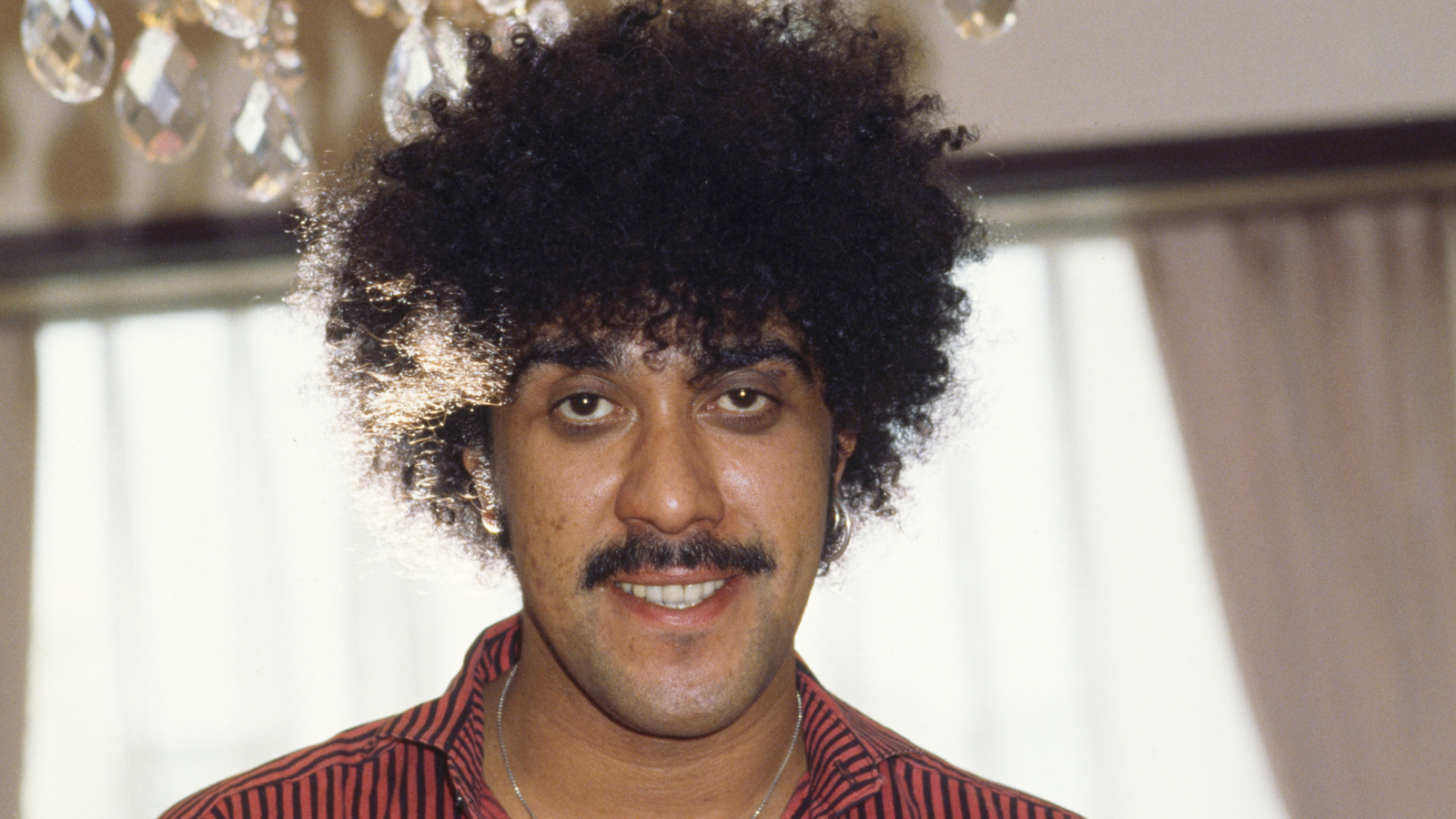
Phil Lynott was one of the most distinctive Irish rock musicians of the 20th century. Best known as the lead singer, bassist, songwriter, and founding force behind Thin Lizzy, he helped create a sound that brought together hard rock, blues, folk influences, melodic guitar work, and Irish storytelling. His deep voice, poetic lyrics, confident stage presence, and memorable bass playing gave Thin Lizzy an identity that remains instantly recognizable.
Although Phil Lynott died in 1986 at just 36 years old, his music continues to attract listeners around the world. Songs “The Boys Are Back in Town,” “Jailbreak,” “Waiting for an Alibi,” “Whiskey in the Jar,” and “Dancing in the Moonlight” remain important parts of classic rock. His life was also marked by family experiences, artistic ambition, international success, personal struggles, and an enduring connection to Ireland.
Phil Lynott’s Early Life and Irish Roots
Phil Lynott was born Philip Parris Lynott on August 20, 1949, in West Bromwich, England. His mother, Philomena Lynott, was Irish, while his father, Cecil Parris, was from British Guiana. Although Phil was born in England, he grew up primarily in Dublin, where he was raised by his grandparents in Crumlin. His Irish upbringing became a central part of his identity and later influenced his songwriting.
Growing up in Dublin during the 1950s and 1960s gave Lynott an environment where music and popular culture were changing rapidly. He became interested in rock and roll and began performing with local groups while still young. His friendship with drummer Brian Downey was particularly important because the two would eventually become the core of Thin Lizzy. Their musical partnership began years before the band achieved international success.
Phil Lynott’s First Bands and Musical Development
Before Thin Lizzy, Lynott performed with several local groups. One of his earliest bands was the Black Eagles, where he worked as a vocalist. He later joined Skid Row, a Dublin-based group that also featured a young Gary Moore. During this period, Lynott began developing the musical confidence and stage presence that would later become central to his career.
Lynott initially focused on singing rather than playing bass, but his musical direction changed when he became involved with bassist Brush Shiels. Shiels helped teach Lynott how to play bass guitar, giving him another important skill. After leaving Skid Row, Lynott formed Orphanage with Brian Downey, and the two musicians began developing original material that would eventually contribute to the creation of Thin Lizzy.
The Formation of Thin Lizzy
Thin Lizzy was formed in Dublin in 1969 when Phil Lynott and Brian Downey joined forces with guitarist Eric Bell and keyboard player Eric Wrixon. Lynott became the band’s bassist and lead vocalist, while Downey played drums. The group began building a reputation through regular performances and eventually signed with a major record label.
The band’s early recordings were not immediate commercial successes, but they demonstrated the songwriting potential that would later make Thin Lizzy famous. The group’s interpretation of the traditional Irish song “Whiskey in the Jar” became an important early breakthrough. It introduced Thin Lizzy to a much larger audience and showed how Irish musical heritage could be successfully incorporated into a modern rock sound.
As the band developed, Lynott increasingly became its creative leader. Thin Lizzy went through numerous lineup changes, but the combination of Lynott’s songwriting and vocals with the band’s evolving guitar sound eventually produced one of the most recognizable styles in rock music.
Thin Lizzy’s Rise to International Fame
Thin Lizzy’s major breakthrough came in the mid-1970s. The arrival of guitarists Scott Gorham and Brian Robertson helped establish the band’s famous twin-guitar sound, while Lynott continued to provide the songs, bass, and vocals. Albums including Fighting, Jailbreak, Johnny the Fox, and Bad Reputation helped establish Thin Lizzy as an important hard-rock act.
The 1976 album Jailbreak became especially significant. Its title track and “The Boys Are Back in Town” helped turn Thin Lizzy into an international rock attraction. “The Boys Are Back in Town” became the band’s signature song and remains one of the most recognizable classic-rock tracks ever recorded.
Thin Lizzy’s success continued through extensive touring and further albums. Live and Dangerous, released in 1978, became particularly celebrated for capturing the energy of the group’s performances. The combination of harmonized guitars, Lynott’s distinctive vocals, melodic bass lines, and strong storytelling made the band stand apart from many of its contemporaries.
Phil Lynott’s Songwriting and Musical Style
One of Phil Lynott’s greatest strengths was his ability to tell stories through rock music. His lyrics often featured characters, relationships, street scenes, romance, loneliness, adventure, and personal experiences. Rather than writing only about broad themes, he frequently created songs that felt like short stories populated by memorable people and vivid situations.
His Irish heritage also influenced his songwriting. Lynott incorporated elements of Irish culture, folklore, history, and mythology into some of his work. At the same time, his music remained accessible to international rock audiences. This combination helped Thin Lizzy create a sound that felt both distinctly Irish and unmistakably part of the wider rock tradition.
As a bassist, Lynott also had a recognizable approach. He often used a pick and played melodic bass lines that were an important part of the band’s arrangements. His bass did not simply provide a background rhythm; it frequently worked alongside the guitars and drums to strengthen the musical identity of each song.
Phil Lynott’s Solo Career and Other Musical Projects
While Thin Lizzy remained the most important part of his career, Lynott also developed several projects outside the band. In 1980, he released his first solo album, Solo in Soho. The record allowed him to explore musical ideas that were somewhat different from Thin Lizzy’s traditional hard-rock style.
His second solo album, The Philip Lynott Album, followed in 1982. His solo recordings showed a broader side of his musical personality and included influences from pop, soul, rock, and other styles. He was not interested in limiting himself to one musical formula, and his songwriting continued to develop throughout the early 1980s.
Lynott was also involved with The Greedies and later formed Grand Slam after Thin Lizzy ended its regular run. Grand Slam began performing in 1984 and developed a strong live reputation, although it did not reach the level of commercial success Lynott had experienced with Thin Lizzy. He also continued collaborating with Gary Moore, including on the successful 1985 single “Out in the Fields.”
Phil Lynott’s Family and Personal Life
Phil Lynott married Caroline Crowther in 1980, and they had two daughters, Sarah and Cathleen. He also had a son, Macdaragh Lambe, who was born in 1968 and was adopted. His family remained an important part of his personal story, while his mother, Philomena Lynott, later became an important guardian of his public legacy.
Lynott’s personal life was often affected by the pressures of fame, touring, and substance misuse. During the late 1970s and early 1980s, his drug use increasingly affected his health and professional life. These problems occurred during a period when Thin Lizzy was experiencing major success but also considerable internal and financial pressures.
His final years were difficult, but they were not without creativity. Even after Thin Lizzy’s farewell performances, Lynott continued writing and working on new musical ideas. His desire to keep developing as an artist remained strong until the final period of his life.
The Final Years and Death of Phil Lynott
Thin Lizzy officially moved toward its conclusion in the early 1980s. The band released Thunder and Lightning in 1983 and completed its farewell performances later that year. Lynott subsequently focused on solo projects, Grand Slam, songwriting, and collaborations with other musicians.
His health, however, had deteriorated significantly. Years of substance misuse had taken a serious toll, and he became increasingly unwell during late 1985. He was admitted to hospital in England after becoming seriously ill and died on January 4, 1986, at Salisbury Hospital. He was only 36 years old.
Lynott’s death shocked fans and musicians across Ireland and the wider rock community. He was buried at St Fintan’s Cemetery in Sutton, Dublin. His death marked the premature end of a career that had already produced a substantial body of influential music.
Phil Lynott’s Legacy in Rock Music
Phil Lynott’s influence has continued long after his death. Thin Lizzy’s songs remain staples of classic-rock radio and live performances, while musicians from later generations have frequently acknowledged the band’s influence. The twin-guitar approach developed by Thin Lizzy became particularly important to hard rock and heavy metal, while Lynott’s songwriting demonstrated how powerful storytelling could be within a rock format.
His work also remains important to Irish music. Lynott helped establish an international image of Irish rock that was both confident and distinctive. His music incorporated Irish themes without sacrificing the energy and ambition of contemporary rock. For many listeners, he became a symbol of Dublin’s contribution to international popular music.
A statue of Phil Lynott was unveiled in Dublin in 2005, further cementing his place in the city’s cultural history. Documentaries, biographies, archival releases, tribute performances, and continued interest in Thin Lizzy have also helped introduce his music to younger audiences.
Why Phil Lynott Remains an Irish Rock Icon
Phil Lynott’s enduring appeal comes from the combination of his voice, songwriting, personality, and cultural identity. He was not simply the frontman of a successful rock band. He was the creative force who gave Thin Lizzy much of its emotional character and storytelling style.
His songs continue to work because they combine strong melodies with human experiences that remain recognizable. Friendship, romance, rebellion, loneliness, adventure, and regret are themes that do not belong to any single generation. Lynott expressed them through a musical style that was powerful enough for rock audiences but personal enough to remain emotionally engaging.
His story also represents the complicated reality of rock stardom. Lynott achieved international fame and artistic success, but he also faced serious personal struggles that affected his health and ultimately contributed to his early death. Remembering his complete story means recognizing both his extraordinary talent and the difficulties he experienced.
Conclusion: The Lasting Legacy of Phil Lynott
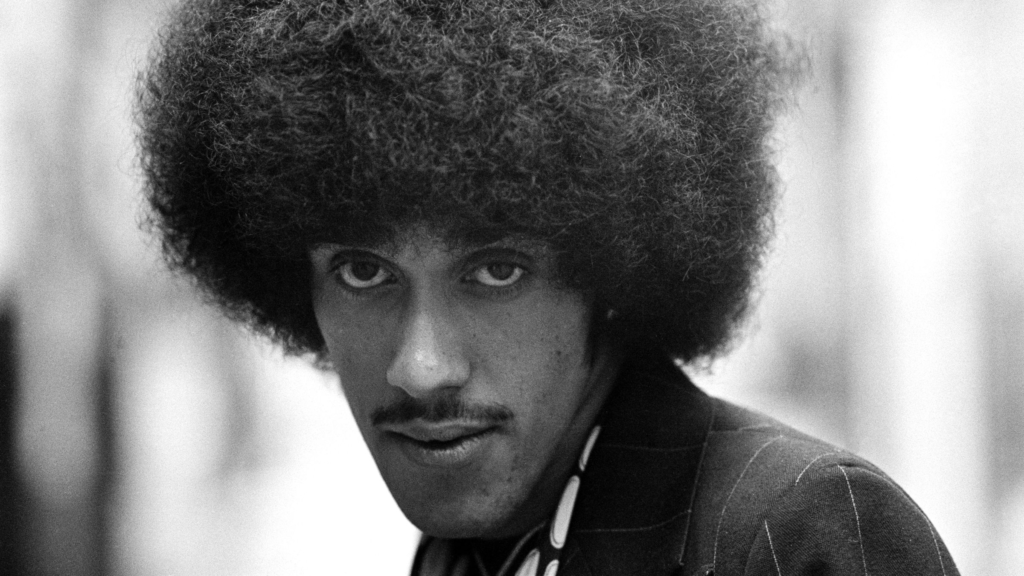
Phil Lynott left an extraordinary musical legacy despite dying at only 36. As the lead vocalist, bassist, and principal songwriter of Thin Lizzy, he helped create some of the most memorable songs in classic rock. His ability to combine hard-rock energy with melodic songwriting, Irish influences, and vivid storytelling gave his music a distinctive character.
More than four decades after his death, Phil Lynott remains an important in Irish music and international rock history. Thin Lizzy’s greatest songs continue to attract listeners, while his life continues to inspire books, documentaries, tributes, and musical discussions. His career was short, but his influence was lasting, and his distinctive voice and songwriting ensure that Phil Lynott remains one of Ireland’s most celebrated rock legends.
