



Tony Hatch is one of Britain’s most respected songwriters, composers, record producers, and arrangers. Best known for creating memorable melodies and working with some of the biggest recording artists of the 1960s, he helped shape the sound of British popular music during a period of remarkable cultural change. His work includes classic songs such as “Downtown,” “My Love,” and “Call Me,” along with television themes that became familiar to audiences around the world.
Born Anthony Peter Hatch, tony hatch developed his musical skills at a young age and went on to build a career that covered several areas of the entertainment industry. He worked behind the scenes in recording studios, collaborated with singers, composed for television, and helped turn relatively simple musical ideas into commercially successful records. His ability to combine catchy melodies with polished arrangements made him an important figure in the development of British pop music.
Tony Hatch’s influence extends beyond his best-known songs. His compositions have remained part of popular culture through radio, television, live performances, and recordings by later generations of artists. His professional partnership with singer Petula Clark is particularly significant, as their collaborations produced international hits that helped establish Clark as a major pop star. Exploring Tony Hatch’s life and career reveals how songwriting, production, and musical imagination can create a legacy that lasts for decades.
Tony Hatch’s Early Life and Musical Education
Tony Hatch was born Anthony Peter Hatch on 30 June 1939 in Pinner, Middlesex, England. His early life was shaped by a strong interest in music, and he received musical training that included singing as a chorister at All Souls Church in Langham Place, London. His education introduced him to classical music and the discipline required to develop musical ability. These early experiences provided a foundation for a career that would later cover songwriting, arranging, conducting, and record production.
Hatch’s professional journey did not begin with immediate fame or a major recording contract. As a young man, he took a job as a tea boy at a London music publishing company, where he performed routine tasks while learning about the music business. He also played the piano for visiting singers, worked with a dance band at weekends, and taught himself orchestration. These experiences allowed him to understand how songs were developed, presented to performers, and prepared for commercial release. His willingness to learn from the people around him helped him move from an entry-level position into professional songwriting and production.
Tony Hatch’s First Success as a Songwriter
Tony Hatch’s early breakthrough came when he joined Top Rank Records in the late 1950s. One of his first major songwriting successes was “Look for a Star,” a song associated with the 1960 horror film Circus of Horrors. The recording by Garry Mills became a hit in Britain, while an instrumental version by Billy Vaughn reached number one in the United States. The song demonstrated Hatch’s ability to write a memorable melody that could appeal to audiences in different countries and work in more than one musical arrangement.
His progress was briefly interrupted by national service, during which he served with the Band of the Coldstream Guards. After completing his service, he continued developing his career in the British recording industry. He became increasingly involved in artist development, arranging, and record production, eventually establishing himself as a valuable figure at Pye Records. His work during this period helped him build relationships with performers and industry professionals, preparing him for the successful collaborations that would define the following decade. These early achievements also showed that commercial songwriting required both creative skill and an understanding of what listeners wanted from popular music.
Tony Hatch and His Famous Partnership With Petula Clark
Tony Hatch is particularly famous for his professional partnership with British singer Petula Clark. Their collaboration produced some of the most successful pop songs of the 1960s, combining memorable melodies with polished arrangements and lyrics that connected with everyday experiences. Hatch served as a songwriter, arranger, and producer, helping Clark develop a sound that could appeal to British audiences and international listeners. Their creative partnership became an important part of the period often associated with the British Invasion of popular music.
One of their most celebrated songs was “Downtown,” released in 1964. Hatch reportedly developed the song after visiting New York and presented it to Clark, who recorded it in London. The single became an international success, reaching number one on the American charts in early 1965 and earning Clark a Grammy Award. Their partnership continued with songs including “I Know a Place,” “My Love,” “Don’t Sleep in the Subway,” and “I Couldn’t Live Without Your Love.” These recordings helped establish Clark as an international star and confirmed Hatch’s reputation as a songwriter capable of creating enduring pop classics.
Tony Hatch’s Most Famous Songs and Musical Style
Tony Hatch’s songwriting catalogue includes songs that have been performed by numerous artists across different musical styles. In addition to his work with Petula Clark, he wrote “Call Me,” which became widely known through Chris Montez’s recording and was subsequently recorded by other singers. The song’s popularity demonstrated Hatch’s ability to create material that could be reinterpreted by performers with different voices and musical approaches. His compositions often featured strong melodic hooks, clear arrangements, and structures that made them memorable after only a few listens.
Another important part of his work involved collaborations with Jackie Trent, who became both his songwriting partner and his second wife. Together, they wrote songs for several artists, including “Where Are You Now (My Love),” which became a British chart-topper for Trent in 1965. They also worked on “Joanna,” recorded by Scott Walker, and additional songs for Petula Clark. Hatch’s music was not restricted to one performer or genre. His compositions were recorded by artists such as Frank Sinatra, Ella Fitzgerald, Shirley Bassey, Dolly Parton, and Nancy Wilson, demonstrating the broad appeal of his songwriting across pop, easy listening, and traditional vocal music.
Tony Hatch’s Television Themes and Composing Career
Alongside his success in popular music, Tony Hatch became one of Britain’s best-known composers of television theme music. In 1964, he wrote the theme for the television soap opera Crossroads, beginning a long association with television production. The music was carefully designed to suit the programme’s setting and characters, and Hatch developed different musical themes that could be used in relation to the story. His work demonstrated that television music could contribute to a programme’s identity just as much as its characters, dialogue, and visual style.
Hatch later composed themes for programmes including Emmerdale Farm, The Champions, Man Alive, Hadleigh, and Sportsnight. His international reputation grew further through his work on the Australian soap opera Neighbours, for which he composed the theme while Jackie Trent wrote the lyrics. The song became one of the most recognisable television themes associated with Australian popular culture and gained a large audience in Britain and elsewhere. Hatch’s television compositions were effective because they were distinctive, accessible, and closely connected to the programmes they represented. Even viewers unfamiliar with his identity could recognise melodies that had accompanied their favourite shows for years.
Tony Hatch’s Marriage to Jackie Trent and Family Life
Tony Hatch’s personal life was closely connected to his music career through his relationship with singer and songwriter Jackie Trent. The pair worked together professionally, writing songs and appearing in musical television programmes before marrying in 1967. Their partnership extended beyond songwriting into live entertainment and stage productions, and they became known as a musical duo. Their shared professional interests created opportunities for them to work across recording studios, television, and theatre.
Hatch and Trent eventually separated in the 1990s, and their divorce was finalised in 2002. Trent continued to be remembered for her work as a singer and songwriter, including her contribution to the Neighbours theme. She died in 2015, aged 74. Hatch later married Maggie, with whom he has been associated with life in Menorca, Spain. His family life has also included children and grandchildren, although individual family members have generally maintained varying degrees of privacy. His biography therefore reflects both a long creative partnership and a personal life that developed through different stages over several decades.
Tony Hatch’s Work in Theatre, Film, and Television Entertainment
Tony Hatch’s professional interests extended well beyond hit singles and television themes. He composed music for film, including Travels with My Aunt and Sweeney 2, and contributed to stage productions that brought his songwriting skills into theatrical settings. His work on the musical The Card and the rock musical Rock Nativity showed his interest in combining music with storytelling. Theatre required him to think about how songs could support characters, move a story forward, and maintain the attention of a live audience.
Hatch also became familiar to television viewers through his role as a panellist on the talent show New Faces during the 1970s. His direct and sometimes sharply critical assessments earned him the identity “the Hatchet Man.” While his comments could be controversial, the role made him a recognisable television personality in his own right. He also worked in music production, including projects connected with Australian television and live musical events. These varied experiences demonstrate the breadth of his professional ability: he was not simply a songwriter who produced hit records, but a versatile music professional who understood how music functioned across recording, broadcasting, theatre, and live performance.
Tony Hatch’s Awards, Recognition, and Lasting Influence
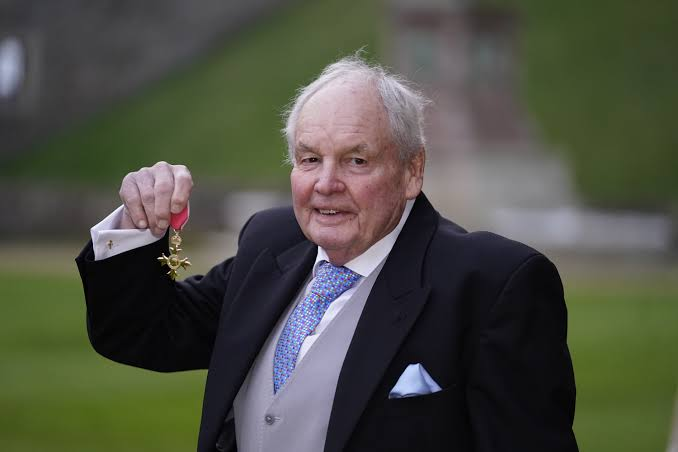
Tony Hatch’s achievements have received recognition from across the music industry. His songwriting and production work helped create some of the most enduring British pop recordings of the 1960s, while his television compositions reached audiences far beyond the traditional record-buying public. His contribution to popular music was recognised internationally when he was inducted into the Songwriters Hall of Fame in 2013. The honour acknowledged his extensive catalogue and the influence of his collaborations with artists such as Petula Clark, Jackie Trent, and Chris Montez.
His work continues to attract interest because many of his songs and television themes remain familiar to audiences decades after their original release. “Downtown” is still associated with the golden age of British pop, while the themes for Crossroads, Emmerdale, and Neighbours demonstrate how music can become inseparable from a television programme’s identity. Hatch has also maintained links with charitable activities, particularly Variety, the children’s charity, supporting entertainment-related fundraising and community initiatives. His legacy is therefore measured not only through chart positions and awards, but also through the lasting place his compositions hold in popular culture.
Conclusion: Tony Hatch’s Enduring Musical Legacy
Tony Hatch has built a remarkable career as a British songwriter, composer, arranger, and record producer. From his early experiences in music publishing to the international success of “Downtown,” he developed a reputation for writing memorable melodies and helping performers reach wider audiences. His collaborations with Petula Clark and Jackie Trent produced important recordings, while his work with other singers demonstrated the versatility of his songwriting. His success came from a combination of musical knowledge, creative ambition, and a practical understanding of the recording industry.
His contribution to television music has been equally significant. Themes for Crossroads, Emmerdale, and Neighbours introduced his compositions to generations of viewers, proving that a short piece of music can become an enduring part of cultural memory. His work in film, theatre, television entertainment, and charity activities further demonstrates the breadth of his professional life. Tony Hatch remains an important figure in British popular music because his songs continue to be heard, remembered, and performed.
