



Allan Carr was an American film producer, Broadway producer, talent manager, and entertainment impresario whose career was defined by bold ideas, colorful presentation, and an unusual ability to recognize performers with star potential. Although his name may not be as familiar to modern audiences as the stars he helped promote, Carr played an important role in some of the most recognizable entertainment projects of the 1970s, 1980s, and 1990s.
Allan Carr is especially remembered as the producer of the 1978 movie Grease, starring John Travolta and Olivia Newton-John. The film became a major cultural phenomenon and remains one of the best-known movie musicals of its era. Carr was also closely associated with the Broadway musical La Cage aux Folles, which became a major Tony Award-winning success. His career also included talent management, film production, Broadway projects, television, publicity campaigns, and the 1989 Academy Awards ceremony.
Who Was Allan Carr?
Allan Carr was born Allan Solomon on May 27, 1937, in the United States and later became one of Hollywood’s more recognizable producers and entertainment personalities. He built his reputation not simply by producing movies but by understanding how performers, publicity, theater, music, and celebrity culture could work together. His career crossed several areas of show business, making him more of an entertainment entrepreneur than a producer working in only one medium.
Allan Carr died on June 29, 1999, at the age of 62. He died at his Beverly Hills home after developing cancer. Contemporary obituaries described him as an energetic and highly social figure who had spent decades surrounding himself with actors, musicians, writers, directors, and other prominent entertainment personalities.
What made Allan Carr particularly memorable was his personality as much as his professional résumé. He became famous for extravagant parties, unusual fashion choices, and a strong appetite for spectacle. His career demonstrated that entertainment success could involve much more than simply putting together a movie or stage production. Carr understood publicity and knew how to make people talk about a project.
Allan Carr’s Early Life and Career
Allan Carr developed an interest in entertainment while he was still a student. During his time at Northwestern University, he invested small amounts of money in Broadway productions, giving him an early introduction to the business side of theater. Rather than remaining focused on one traditional career path, he explored several forms of entertainment and gradually developed connections throughout the industry.
After college, Carr became involved with television and theater. He was a co-creator of an early Playboy television program and helped establish Chicago’s Civic Theatre. His theater activities included productions involving established performers and respected theatrical figures. These experiences helped him develop the producing and promotional skills that later became central to his Hollywood career.
Carr eventually moved deeper into talent management and entertainment promotion. He became known for recognizing performers who could become commercially successful and helped provide opportunities for several actors during their early careers. His work with performers such as Marlo Thomas and later connections with names including Michelle Pfeiffer, Steve Guttenberg, and Mark Hamill contributed to his reputation as someone with an eye for emerging talent.
Allan Carr as a Talent Manager and Entertainment Promoter
Before Grease made him internationally famous, Carr had already established himself as a manager and promoter. His approach was different from the traditional image of a behind-the-scenes producer. He actively promoted personalities and projects and understood the importance of creating excitement around entertainment.
Carr also worked with the Robert Stigwood Organization during the 1970s. His promotional work included the rock musical film Tommy, and he was involved in the marketing campaign surrounding The Deer Hunter. These projects expanded his reputation within the film industry and demonstrated his ability to work on major entertainment productions.
His talent-management background was particularly important because Carr was interested in performers who could connect with audiences. He was involved in giving early opportunities to actors who later became better known. This aspect of his career sometimes receives less attention than Grease, but it helps explain why Carr became an influential figure in entertainment. His career was built around identifying possibilities and then turning those possibilities into commercially visible projects.
Allan Carr and Grease
The project most closely associated with Allan Carr is Grease. Released in 1978, the musical film starred John Travolta as Danny Zuko and Olivia Newton-John as Sandy Olsson. The movie transformed the stage musical into a major international film success and became one of the defining musical movies of its generation.
Carr played an important role in bringing the movie version together. His involvement helped turn the stage property into a film designed for a much wider audience. The casting of Travolta and Newton-John became one of the most important elements of the movie’s success. Newton-John was already a major music star, while Travolta was emerging as one of Hollywood’s most recognizable young performers.
Grease became much more than an ordinary movie musical. Its songs, costumes, characters, dance sequences, and 1950s-inspired setting gave it a long cultural life. The movie also helped establish Travolta and Newton-John as an iconic screen pairing. Carr’s association with the project became the defining achievement of his film career, and decades later Grease continued to be closely connected with his name.
La Cage aux Folles and Broadway Success
Carr’s success was not limited to Hollywood. One of his most important theatrical achievements came from La Cage aux Folles. In 1978, he saw Jean Poiret’s French play in Paris and became interested in obtaining its American rights. Although he initially had no intention of producing the story as a musical, the material captured his attention strongly enough for him to pursue the project.
The American musical version eventually opened on Broadway in 1983, with music and lyrics by Jerry Herman and a book by Harvey Fierstein. Carr served as producer, and the production became a major Broadway success. La Cage aux Folles won the Tony Award for Best Musical in 1984, while Carr received recognition as its producer. Broadway records list Carr as the producer of the original production.
The success of La Cage aux Folles was especially significant because it demonstrated Carr’s ability to identify material outside the mainstream and transform it into a commercially successful Broadway production. The musical developed an international following and became one of the most important theatrical achievements associated with Carr’s name.
Allan Carr’s Movies and Hollywood Projects
Although Grease was Carr’s biggest film success, his producing career included many other projects. His film credits included The First Time, C.C. and Company, Survive!, Can’t Stop the Music, Grease 2, and Cloak & Dagger. The projects covered different genres and showed Carr’s willingness to experiment with popular entertainment.
Not every production achieved the same level of success as Grease. Can’t Stop the Music, which featured the Village People, became associated with the changing fortunes of the disco era, while Grease 2 did not reproduce the impact of the original film. These projects nevertheless remain part of Carr’s professional history because they demonstrate the risks he was willing to take.
Carr’s career therefore cannot be understood only through his biggest success. His filmography reveals a producer who repeatedly pursued projects connected with music, popular culture, recognizable performers, and theatrical entertainment. His willingness to take creative and commercial risks became one of the defining characteristics of his career.
Allan Carr and the 1989 Academy Awards
Another major moment in Carr’s career came when he produced the 61st Academy Awards ceremony in 1989. The event honored films released in 1988 and was held at the Shrine Civic Auditorium. Carr approached the ceremony as a large-scale entertainment production and brought his own theatrical style to one of Hollywood’s most prestigious annual events.
The ceremony became particularly remembered for its elaborate opening involving Rob Lowe and a performer dressed as Snow White. The production generated considerable discussion afterward, including legal action from Disney related to the use of the Snow White character. Contemporary reporting also documented Carr’s enthusiasm for the event and the extensive preparations surrounding the ceremony.
The Academy Awards experience illustrates an important part of Carr’s personality as a producer. He did not approach entertainment as something that needed to remain restrained or conventional. He favored spectacle, personality, large productions, and memorable moments. That approach could generate excitement, but it could also produce controversy when audiences or industry figures did not respond to the presentation in the same way.
Allan Carr’s Later Career and Broadway Work
Carr continued working in theater during the later years of his career. One notable project came in 1995, when he sponsored Royal Shakespeare Company productions of Cyrano de Bergerac and Much Ado About Nothing for Broadway and Washington audiences. The productions received multiple Tony nominations, adding another chapter to Carr’s already diverse theatrical career.
His later theater work showed that Carr’s interests extended beyond movie musicals and commercial Hollywood productions. He remained connected with Broadway and continued pursuing ambitious projects. His ability to move between Hollywood entertainment and serious theatrical productions was unusual and reflected the wide range of his professional interests.
At the time of his death, Carr was preparing The New Musical Adventures of Tom Sawyer for Broadway. His continuing involvement in new productions demonstrated that he had not stepped away from entertainment despite the changing industry around him. He remained committed to theater and film projects until the final period of his life.
Allan Carr’s Personal Life, Death, and Legacy
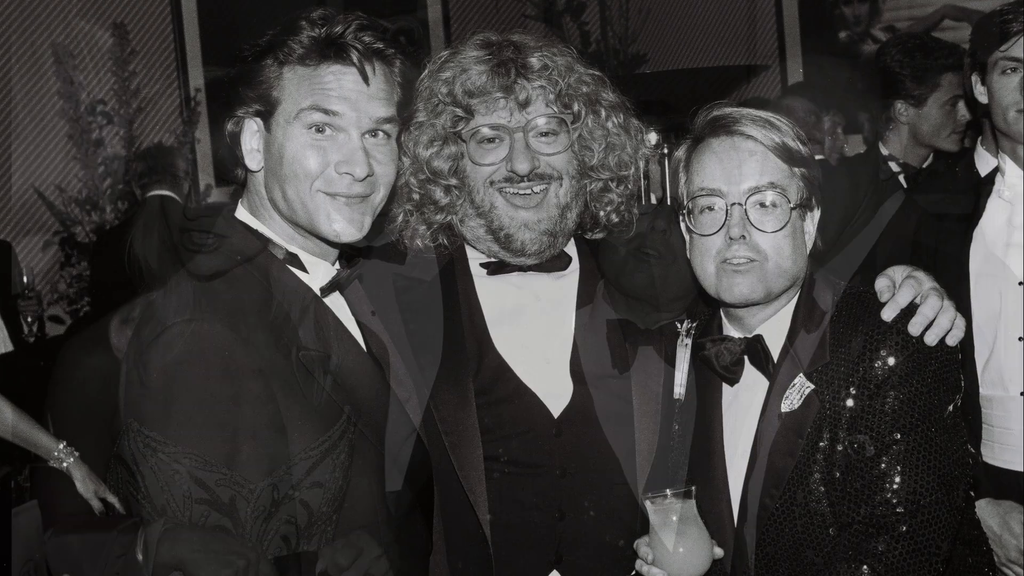
Allan Carr was known in Hollywood for a highly social lifestyle and for hosting extravagant gatherings attended by major entertainment personalities. His parties became part of his public identity, and contemporary accounts described elaborate events involving celebrities, performers, and industry figures. His distinctive clothing, including flowing caftans, further contributed to his recognizable public image.
Carr died on June 29, 1999, aged 62. His death marked the end of a career that had moved through Broadway, television, film production, talent management, publicity, and major entertainment events. His passing was reported by major newspapers, which highlighted both his professional achievements and his unusual personality.
Today, Allan Carr’s legacy is most strongly connected with Grease and La Cage aux Folles. His career also remains interesting because of the variety of projects he pursued and the performers he supported. The 1978 Grease film continues to introduce new generations to the story and its music, while La Cage aux Folles remains an important title in Broadway history. Carr’s name therefore remains part of the story behind two enduring entertainment properties.
Conclusion
Allan Carr was far more than the producer of Grease. He was a multifaceted entertainment figure whose career covered Broadway, Hollywood films, television, talent management, publicity, and major live events. His ability to recognize commercial potential helped him become involved with performers and productions that later became widely known.
His greatest achievements include producing Grease, bringing La Cage aux Folles to Broadway, promoting major film projects, and producing the 1989 Academy Awards. His career included both major successes and projects that failed to match earlier achievements, but throughout his professional life he remained willing to take creative risks.
For people searching for Allan Carr today, his story offers an interesting look at the business behind some of entertainment’s most recognizable productions. His name may not have the same immediate recognition as John Travolta or Olivia Newton-John, but his influence can still be seen in the films, Broadway productions, and entertainment culture he helped shape.
