



Duncan Bannatyne is a Scottish entrepreneur, author, philanthropist, and television personality best known for his business success and appearances on the BBC programme Dragons’ Den. From his humble beginnings in Scotland to building a business empire across health clubs, spas, hotels, and care services, Bannatyne has become one of the most recognisable entrepreneurs in the United Kingdom. His career demonstrates how practical experience, determination, and a willingness to take calculated risks can help someone build a successful business.
Many people search for Duncan Bannatyne biography to learn about his early life, business achievements, estimated net worth, family, and television career. His journey is particularly interesting because he did not follow a traditional academic or corporate path. Instead, duncan bannatyne worked in different jobs, started small businesses, and gradually expanded into larger industries. duncan bannatyne story also includes charitable activities, published books, and lessons about entrepreneurship that continue to attract interest from aspiring business owners.
Duncan Bannatyne’s Early Life and Education
Duncan Bannatyne was born on 2 February 1949 in Clydebank, Scotland. He grew up in a working-class family where money was limited and everyday purchases often required careful planning. His childhood experiences helped shape his understanding of financial independence and the value of earning money. One frequently discussed story from his early years involves his desire for a bicycle. Unable to afford one immediately, he worked to establish a newspaper delivery round and saved enough money to buy it himself. This experience reflected the resourcefulness and determination that later became important parts of his business career.
Bannatyne attended school in Scotland but left without the formal qualifications that many people use to enter professional careers. Rather than allowing this to determine his future, he gained experience through practical work. His early life taught him that commercial success requires more than having an idea. It also involves understanding customers, managing money, solving problems, and remaining committed when circumstances become difficult. Although his story is sometimes presented as proof that academic qualifications are unnecessary, his success also depended on years of effort, experience, and business decisions. His background became an important part of his public image as a self-made entrepreneur who built his wealth through practical experience.
Duncan Bannatyne’s Time in the Royal Navy
At the age of 15, Bannatyne joined the Royal Navy, where he trained as an engineering mechanic. Military life introduced him to a structured environment that required discipline, responsibility, and attention to procedures. However, his time in the service ended following an incident involving an officer. Bannatyne has discussed this difficult period in his autobiographical accounts, including the disciplinary consequences that followed. Although his naval career was relatively short, it became an important chapter in his personal story and preceded his move into civilian employment.
After leaving the Navy, duncan bannatyne worked in different jobs and spent time in Jersey before eventually moving to north-east England. These years helped him develop practical skills and understand the challenges of earning a living without a clear long-term career plan. He did not immediately become a wealthy businessman, and his early working life involved uncertainty and ordinary financial pressures. Over time, however, he began looking for opportunities that could provide greater independence. His experience illustrates how career paths can develop gradually, with skills gained in one environment later proving useful in another. The discipline, adaptability, and determination he developed during his early years became qualities he relied on when managing his own businesses.
How Duncan Bannatyne Started His Business Career
One of the most important steps in duncan bannatyne entrepreneurial journey was buying an ice cream van for approximately £450. He began operating in Stockton-on-Tees, selling ice cream to local customers and gradually expanding his small operation. The business depended on practical decisions, including choosing suitable locations, managing supplies, maintaining the vehicle, and understanding when and where customers were most likely to buy. Although the idea was simple, it gave Bannatyne direct experience of running a commercial operation and taking responsibility for its results.
As the business grew, duncan bannatyne acquired additional vans and increased his earning potential. He eventually sold the ice cream business for around £28,000, providing capital for his next venture. The sale was an important turning point because it allowed him to move beyond a small trading operation and consider larger business opportunities. Rather than relying on one company for his entire career, Bannatyne began developing a pattern of building businesses, increasing their value, and using the proceeds to finance further investments. His early experience offers a useful lesson for new entrepreneurs: a business does not need to begin with a complicated idea or a large investment. Understanding demand, controlling costs, and providing a service customers want can create the foundations for growth.
Quality Care Homes and Business Expansion
After selling his ice cream business, Bannatyne moved into the care sector and established Quality Care Homes. This represented a significant change in the type of business he was running. Residential care involves responsibilities that go well beyond selling a product, including maintaining safe facilities, recruiting suitable staff, providing consistent services, and meeting residents’ needs. Operating successfully in this sector requires a careful balance between commercial management and the quality of care provided. Bannatyne’s move showed his willingness to enter industries where reliable services and sustained demand could support a larger business.
Quality Care Homes expanded and was eventually sold for approximately £26 million during the 1990s. This transaction significantly strengthened Bannatyne’s financial position. He also developed Just Learning, a chain of children’s nurseries that was later sold for around £22 million. These business sales helped him build the resources and experience needed to pursue further opportunities in health clubs, spas, hotels, and property. His achievements were not the result of a single successful company. Instead, he developed experience across different industries, learning how to grow organisations, manage employees, and oversee operations. The care-home and nursery businesses were especially important because they involved complex services in which reputation, staffing, customer trust, and effective management all mattered.
The Bannatyne Group: Health Clubs, Spas, and Hotels
The Bannatyne Group is one of the best-known parts of Duncan Bannatyne’s business empire. The company operates in the health, fitness, leisure, and hospitality industries, with health clubs, spas, and hotels forming important parts of its business. Its health clubs provide facilities for customers who want to exercise, improve their fitness, and maintain regular physical activity. Its spa services focus on relaxation and treatments, while its hotel operations offer accommodation and leisure experiences. Operating across these related sectors has helped the group build a recognisable presence in the UK leisure market.
A major expansion occurred in August 2006, when the group acquired 26 health clubs from Hilton Hotels. The acquisition significantly increased its presence in the fitness industry and strengthened its position as a major health club operator. However, running a large chain of physical locations requires continuous investment in equipment, buildings, maintenance, staff, and customer service. Fitness and hospitality businesses are also affected by competition, consumer spending, and changes in the wider economy. The Bannatyne Group’s development demonstrates that business growth involves more than acquiring new locations. Long-term success depends on maintaining standards, understanding customers, controlling operating costs, and adapting to changing expectations in the health and leisure industries.
Duncan Bannatyne on Dragons’ Den
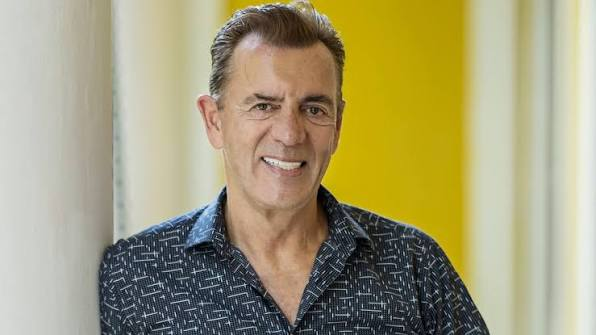
Duncan Bannatyne became a familiar face to television audiences through his appearances on the BBC business programme Dragons’ Den. The show allows entrepreneurs to present their business ideas to a panel of experienced investors, known as Dragons, and request financial investment in exchange for a share of their company. duncan bannatyne experience of building businesses and negotiating company sales made him a distinctive member of the panel. His direct practical approach helped viewers understand how investors assess business opportunities.
Entrepreneurs appearing on the programme must explain what their businesses offer, who their customers are, how much money they generate, and what they intend to do with an investment. Investors also examine the risks involved, the competition in the market, the company’s ownership structure, and the experience of the people running it. A creative product or an enthusiastic presentation is not enough if the business cannot demonstrate a realistic path to profitability. Bannatyne’s role helped make these considerations more accessible to viewers who might not otherwise have experience with business investment. His television career also strengthened his reputation as a successful entrepreneur and introduced his opinions on business, money, and risk to a wider audience.
Duncan Bannatyne’s Net Worth, Books, and Business Advice
Duncan Bannatyne’s net worth attracts considerable interest because his career includes several major business sales and investments. However, his exact current wealth is not publicly established in one definitive figure. Estimates published online can differ because private business interests, property holdings, debts, investment values, and other financial details may not be fully available. It is therefore more accurate to recognise the scale of his business achievements than to treat any single online estimate as a confirmed total. His company sales and involvement in the Bannatyne Group provide important context for understanding how he accumulated his wealth.
Bannatyne has also written books about entrepreneurship, personal development, money management, and business strategy. His published titles include Anyone Can Do It, Wake Up and Change Your Life, How to Be Smart with Your Money, How to Be Smart with Your Time, and 43 Mistakes Businesses Make. These books explore subjects such as decision-making, financial discipline, productivity, and learning from mistakes. His advice generally reflects practical business experience rather than suggesting that success comes from one simple formula. Readers can take useful lessons from his approach, but they should also conduct their own research, understand their financial position, and assess the risks before starting a business or making an investment. His career shows the importance of experience while also demonstrating that business outcomes depend on circumstances, timing, and careful management.
Duncan Bannatyne’s Family, Charity Work, and Personal Life
Charitable work has been an important part of Bannatyne’s public life. His involvement with causes supporting vulnerable children developed partly through his experiences of seeing difficult living conditions during visits to Romania in the 1990s. These experiences encouraged him to support projects focused on improving children’s lives and providing opportunities for disadvantaged young people. His charitable activities have included work connected with organisations such as UNICEF and Comic Relief, as well as initiatives supporting children and families. His public image therefore extends beyond business ownership to include philanthropy and efforts to help people facing difficult circumstances.
Bannatyne was appointed an Officer of the Order of the British Empire, commonly known as an OBE, in recognition of his contribution to charity. His family life has also attracted public attention over the years. He has six children and has discussed aspects of his personal experiences in his autobiographical writing. He married Joanne McCue in 2006, and his life outside business has remained a subject of interest for readers and television audiences. Although he is a public figure, not every detail of his private life is widely documented, so unverified claims should be treated carefully. His charitable activities, family experiences, and business interests together provide a broader picture of a person whose public identity includes more than financial success.

Conclusion: Why Duncan Bannatyne Remains a Recognisable Entrepreneur
Duncan Bannatyne journey from a working-class childhood in Clydebank to becoming a prominent Scottish entrepreneur demonstrates the importance of persistence, practical learning, and recognising business opportunities. His early ice cream business gave him a starting point, while his later ventures in care homes and children’s nurseries helped him build substantial financial resources. His move into health clubs, spas, and hotels established the Bannatyne Group as a recognised in Britain’s health and leisure sector.
His appearances on Dragons’ Den introduced his business experience to a broad television audience, while his books offered lessons about money management, productivity, and entrepreneurship. His charitable work has also contributed to his public reputation. Although his exact net worth remains a matter of estimates, his history of developing and selling businesses explains why he continues to attract interest.
