


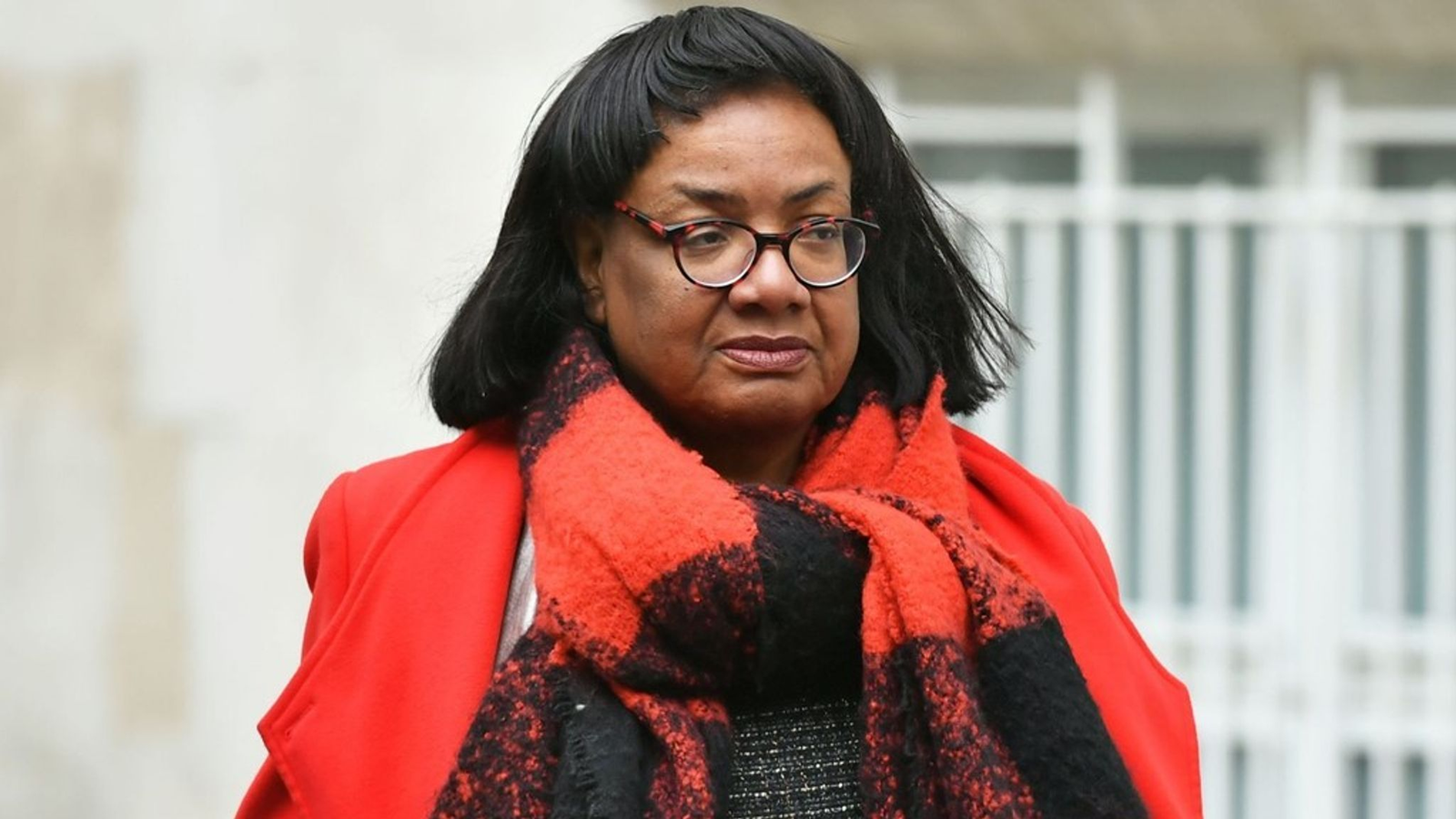
Diane Abbott is one of the most recognizable figures in modern British politics and one of the longest-serving members of the House of Commons. She has represented Hackney North and Stoke Newington since 1987 and has built a political career around issues including racism, immigration, civil liberties, social justice, education, and public services. Her career has also included several major positions within the Labour Party, including Shadow Home Secretary.
diane abbott has remained a prominent and sometimes controversial public figure throughout her decades in Westminster. Her career is particularly significant because she became the first Black woman elected to the British Parliament when she won her seat in 1987. Her journey from a London background with Jamaican heritage to the House of Commons was historically important, while her experiences as a Black female politician have frequently shaped her public commentary.
Who Is Diane Abbott?
Diane Abbott is a British Labour politician and Member of Parliament for Hackney North and Stoke Newington. Born on 27 September 1953 in London, she grew up in a Jamaican family and later attended Newnham College, Cambridge, where she studied history. Her education helped prepare her for a career that would eventually move from civil service and journalism into national politics.
Before entering Parliament, Abbott worked in the civil service and later became involved in political and campaigning activities. She also worked in journalism and broadcasting, experiences that helped develop the communication skills that would become important throughout her political career. Her involvement in civil liberties and anti-racism campaigning helped establish her political identity before she entered elected office.
Abbott’s importance extends beyond her individual career. Her election in 1987 represented a major moment for diversity in British politics. Alongside other pioneering Black MPs elected that year, she helped change the appearance and political representation of the House of Commons. More than three decades later, she remains a significant figure in British parliamentary history.
Diane Abbott’s Early Life and Education
Diane Abbott was born to Jamaican parents in London and grew up in a family shaped by the experience of Caribbean migration to Britain. Her parents’ experiences influenced Abbott’s understanding of race, opportunity, and social inequality. These themes later became central to her political work and public identity.
She attended Harrow County Grammar School for Girls before winning a place at Newnham College, Cambridge. At Cambridge, she studied history and graduated in 1973. Her university years were an important stage in developing her political awareness and interest in public affairs, although her eventual political career was not the straightforward path of a traditional Westminster politician.
After university, Abbott entered the civil service and worked at the Home Office. She later moved into journalism and public relations, working for organizations and publications that gave her experience of political communication. She became increasingly involved in campaigning and public debate, particularly around racial equality and civil liberties, before seeking elected office.
Diane Abbott’s Historic Election in 1987
Diane Abbott entered the House of Commons after winning Hackney North and Stoke Newington at the 1987 general election. Her victory was historic because she became the first Black woman elected to the British Parliament. Her election took place alongside those of Bernie Grant and Paul Boateng, marking an important change in the representation of Black communities in Westminster.
The significance of Abbott’s election went beyond party politics. For many people, her presence in Parliament represented a breakthrough at a time when British political institutions were overwhelmingly white and male. Abbott has spoken extensively about the racism and sexism she experienced throughout her career, including the difficulties faced by women and people from minority backgrounds working within Westminster.
Her constituency also became closely associated with her political identity. Hackney North and Stoke Newington has remained Abbott’s parliamentary base throughout her career, and she has repeatedly defended the interests of her constituents on issues ranging from housing and public services to policing, education, immigration, and local government. Her extraordinary longevity in the constituency has made her one of the most familiar MPs in British politics.
Diane Abbott’s Political Career and Labour Party Role
Abbott spent much of her parliamentary career on the Labour benches and became an influential voice on the left of the party. Her political interests have included racial equality, immigration, civil liberties, social welfare, education, and opposition to policies she believes disproportionately affect disadvantaged communities. She has frequently argued that government policy should address structural inequality rather than focusing only on individual circumstances.
Over the years, Abbott held several significant opposition roles. She served as Shadow Secretary of State for International Development and later as Shadow Secretary of State for Health. In 2016, she became Shadow Home Secretary under Labour leader Jeremy Corbyn. The position placed her at the centre of debates about policing, immigration, national security, crime, and civil liberties.
Abbott was also closely associated with the leadership of Jeremy Corbyn and became one of the most recognizable figures on Labour’s left wing. Her relationship with the party changed over time, particularly during periods of internal disagreement. Despite political controversies and periods of uncertainty over her status within Labour, she continued to win support in her constituency and remained a prominent parliamentary voice.
Diane Abbott as Shadow Home Secretary
Diane Abbott became Shadow Home Secretary in October 2016, taking responsibility for scrutinizing the government’s policies on policing, immigration, terrorism, crime, and domestic security. It was one of the most senior positions she held during her parliamentary career and placed her under intense media attention.
Her time in the role coincided with major political debates surrounding Brexit, immigration, terrorism, police resources, and national security. Abbott frequently argued for stronger investment in public services and criticized approaches to immigration and policing that she believed could harm vulnerable communities. She also remained a prominent advocate for civil liberties.
The role brought both greater influence and greater scrutiny. Abbott became a regular presence in television interviews and political debates, where her comments were often widely reported. Supporters viewed her as an important representative of communities that were frequently underrepresented in national politics, while critics challenged some of her policy positions and public statements.
Diane Abbott, Jeremy Corbyn, and Labour Politics
Diane Abbott’s political career became particularly closely linked to Jeremy Corbyn during his leadership of the Labour Party. Abbott had known Corbyn for many years through left-wing political circles, and she became one of his strongest supporters when he ran for Labour leader. Her support helped establish her as one of the senior figures associated with the Corbyn era.
During Corbyn’s leadership, Abbott served in the Shadow Cabinet and played an important role in Labour’s parliamentary opposition to Conservative governments. The period was marked by major internal disagreements over Brexit, economic policy, antisemitism, leadership, and the direction of the Labour Party. Abbott remained strongly associated with the party’s left despite these divisions.
Her political relationship with Labour became particularly complicated in 2023 when she was suspended from the parliamentary Labour Party following comments she made about racism. She later faced a prolonged period of uncertainty over her political status. She returned to the Labour fold before the 2024 general election and successfully retained Hackney North and Stoke Newington, continuing her extraordinary parliamentary career.
Diane Abbott’s Family and Personal Life
Diane Abbott has generally kept much of her private life away from the political spotlight, although some details have become public through interviews and her memoir. She was married to David Thompson in 1991, and they had a son, James Abbott. The marriage later ended, and Abbott has often described herself as a single mother.
Her experience of raising a child while serving as an MP became an important part of her personal story. In the early 1990s, Parliament offered very limited support for working mothers, and Abbott has spoken about the difficulty of combining parliamentary responsibilities with childcare. Her experience became an example of the challenges faced by women entering a political institution that had historically been designed around male working patterns.
Abbott has also discussed her Jamaican heritage and the importance of family connections to Jamaica and Ghana. She has spoken with pride about Caribbean culture, food, history, and identity. Her family experiences have often informed her wider views on race and representation, although she has also emphasized the importance of respecting her son’s privacy.
Diane Abbott and Controversies
Like many long-serving politicians, Diane Abbott has experienced significant controversy during her career. Some of the most widely discussed episodes have involved comments she made in interviews, disagreements within the Labour Party, and criticism from political opponents and sections of the media. These incidents have sometimes overshadowed her longer record of parliamentary work.
One particularly notable controversy concerned her decision to send her son to the City of London School, an independent school, despite her long-standing criticism of private education. Abbott acknowledged the contradiction and faced considerable public criticism. The episode became a major political story because it raised informations about whether politicians should make the same educational choices for their families that they advocate publicly.
Abbott has also faced intense online abuse and racist and sexist attacks throughout her career. She has described receiving large amounts of hostile correspondence and abuse, particularly through social media. While controversies surrounding her statements have attracted legitimate political debate, the abuse directed toward her has also raised wider informations about the treatment of women and Black politicians in Britain.
Diane Abbott’s Current Political Position and Legacy
Diane Abbott remains the MP for Hackney North and Stoke Newington. She was returned to Parliament at the 2024 general election and remains an influential figure within British politics. Her continued presence in the House of Commons is remarkable given that she first entered Parliament nearly four decades ago.
Her political legacy is strongly connected to representation. Becoming Britain’s first Black woman MP was a historic achievement, and her career helped open the door for later generations of Black women in British politics. Abbott has also remained an outspoken advocate for racial equality, civil liberties, social justice, and the interests of working-class communities.
Her legacy is nevertheless more complicated than a single political achievement. She has experienced major disagreements with her own party, fierce media criticism, and controversies over her public statements and personal decisions. At the same time, she has demonstrated unusual political longevity and resilience. For supporters and critics alike, Diane Abbott remains an important figure whose career reflects many of the wider changes and conflicts that have shaped modern British politics.
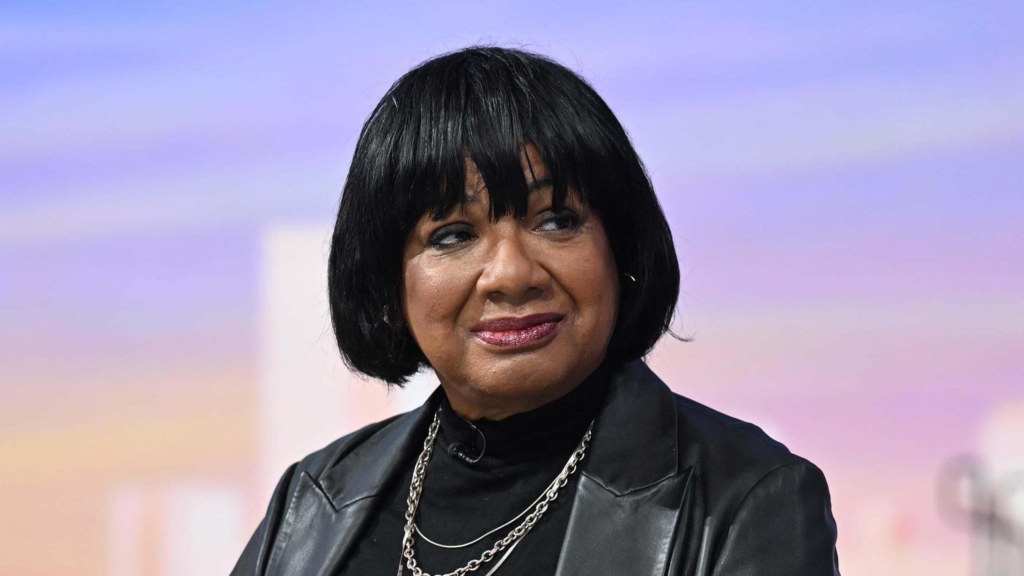
Conclusion: Why Is Diane Abbott Important?
Diane Abbott career is important because it combines personal achievement with a major transformation in British political representation. Her election in 1987 made her the first Black woman to enter the House of Commons, and she has represented Hackney North and Stoke Newington continuously across decades of political change. Her parliamentary work has focused heavily on issues involving equality, immigration, civil liberties, public services, and social justice.
Her journey has not been without controversy. Abbott has faced criticism over political positions, public comments, party disputes, and personal decisions. She has also experienced racism, sexism, and intense media and online scrutiny. These different aspects of her career have made her one of Britain’s most recognizable and debated politicians.
Today, Diane Abbott remains an important figure in the history of the Labour Party and the British Parliament. Her story is not simply about how long she has served as an MP. It is also about the changing face of Westminster, the challenges faced by minority politicians, and the continuing debates over race, class, equality, and representation in Britain. Her place in modern British political history is therefore likely to remain significant for many years to come.
