


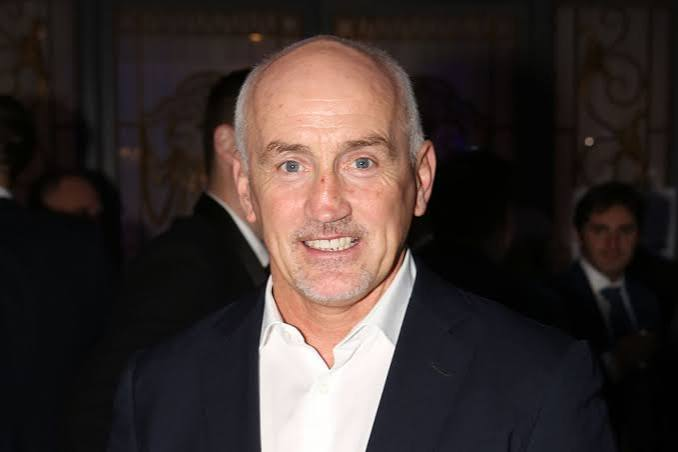
Barry McGuigan is one of the most respected in Irish boxing history. Known around the world by his famous identity “The Clones Cyclone,” McGuigan became a world champion during one of the most difficult periods in Ireland’s history. His rise from a small town in County Monaghan to the top of professional boxing made him an important sporting figure far beyond the boxing ring.
Born Finbar Patrick McGuigan in Clones, County Monaghan, in 1961, Barry McGuigan built his reputation through speed, determination, punching power, and an ability to connect with people. His victory over Eusebio Pedroza in 1985 remains the defining moment of his career. He later became a trainer, promoter, commentator, and mentor to younger fighters, extending his influence on boxing long after his own retirement.
Barry McGuigan Early Life and Introduction to Boxing
Barry McGuigan grew up in Clones, a town close to the border between the Republic of Ireland and Northern Ireland. Boxing became an important part of his life at a young age, and he developed his skills at the Smithboro Boxing Club. His early training helped establish the disciplined style and fast movement that later became trademarks of his professional career.
His amateur career quickly showed that he had unusual potential. McGuigan represented Northern Ireland at the 1978 Commonwealth Games in Edmonton and won a gold medal in the bantamweight division. He later represented Ireland at the 1980 Moscow Olympic Games. Although his Olympic journey ended after a controversial defeat, the experience gave him valuable international exposure and helped prepare him for professional boxing.
Barry McGuigan Professional Boxing Career
McGuigan turned professional in 1981 at the age of 20. Fighting primarily at featherweight, he quickly built a reputation as an exciting and aggressive boxer. His identity “The Clones Cyclone,” reflected the combination of his hometown identity and his energetic style inside the ring.
His early professional years were not completely straightforward. He suffered a disputed defeat early in his career but responded strongly and continued developing as a fighter. By 1983, McGuigan had captured the British featherweight title, and later that year he won the European featherweight championship. These victories established him as one of the leading fighters in his division and moved him closer to a world-title opportunity.
The Famous Eusebio Pedroza Fight
The biggest moment of Barry McGuigan’s boxing career arrived on June 8, 1985, when he challenged Panama’s Eusebio Pedroza for the WBA world featherweight championship at Loftus Road in London. Pedroza was an experienced and highly respected champion who had held the title for years and entered the contest with an impressive record of successful defences.
McGuigan produced the performance of his career. The fight went the full 15 rounds, and McGuigan won by unanimous decision after knocking Pedroza down in the seventh round. The victory made him WBA world featherweight champion and gave him one of the most memorable achievements in Irish sporting history. More than 26,000 spectators watched the fight, while millions more followed the action on television.
Barry McGuigan as a Symbol of Unity
McGuigan’s importance during the 1980s went beyond his boxing results. Ireland and Northern Ireland were experiencing a deeply divided and violent political period, yet McGuigan became popular among people from different communities. His background, sporting success, and public personality allowed him to become a rare unifying figure at a difficult time.
His world-title victory created enormous celebrations, particularly in Belfast and Dublin. The reception demonstrated how sport could temporarily move attention away from political divisions. McGuigan himself became associated with the idea that boxing could bring people together rather than simply represent rivalry. His success therefore became part of a much larger story about Irish sport and identity.
Barry McGuigan World Title Defences and Defeat
After winning the WBA featherweight championship, McGuigan successfully defended his title twice. His first defence came against American Bernard Taylor in Belfast in September 1985. McGuigan stopped Taylor in the eighth round after gradually increasing the pressure and attacking the body and head.
His second successful defence came against Danilo Cabrera. McGuigan remained one of the biggest in boxing, but his championship reign eventually came to an end against Steve Cruz in Las Vegas in June 1986. Cruz defeated him by unanimous decision after a difficult contest. The defeat marked a major turning point, and McGuigan later stepped away from boxing for a period before making a brief comeback.
Barry McGuigan Boxing Record and Retirement
McGuigan eventually returned to the ring in 1988 and fought several more contests. His comeback included victories over experienced opponents, but he was unable to return to the level he had reached during his world championship period. His final professional fight came against Jim McDonnell in 1989.
The fight ended when a cut over McGuigan’s eye forced a stoppage. He retired permanently with a professional record of 32 wins and three defeats, including 28 victories by knockout according to historical boxing records. His career included the British, European, WBA, and lineal featherweight championships, making him one of the most accomplished Irish boxers of his generation.
Barry McGuigan Awards and Hall of Fame Recognition
One of the clearest indications of McGuigan’s popularity came in 1985 when he was BBC Sports Personality of the Year. He became the first person born outside the United Kingdom to receive the award, an achievement that reflected the extraordinary public impact of his world-title victory.
McGuigan’s legacy was formally recognised again when he was inducted into the International Boxing Hall of Fame in 2005. His reputation was not based only on his championship belt. His career represented an important period in Irish boxing, and his ability to attract audiences and cross community divisions made him a particularly significant sporting personality.
Barry McGuigan as a Trainer and Boxing Promoter
After leaving professional boxing, McGuigan remained deeply involved in the sport. He worked as a boxing commentator and trainer and later became a promoter. His experience as a world champion gave him a strong understanding of the pressures faced by young professional fighters.
One of the most important parts of his post-boxing career was his connection with Cyclone Promotions. The company became associated with several notable fighters, including Carl Frampton. McGuigan also played an important role in developing his son Shane McGuigan, who became a highly regarded boxing trainer. His work in the sport therefore continued through a new generation of fighters.
Barry McGuigan Family and Personal Life
Family has remained an important part of Barry McGuigan’s story. His personal life has included both major achievements and profound losses. McGuigan has spoken publicly about the deaths of several close family members, including his daughter Nika, his father, his brother, and his sister Sharon. These experiences were deeply difficult, while boxing continued to remain an important part of his life.
McGuigan has also maintained a strong connection to boxing through his children. His son Shane developed a successful career as a boxing trainer, helping fighters at world level. This continuation of the McGuigan in professional boxing has added another dimension to Barry’s legacy and demonstrated how deeply the sport has remained connected to his family.
Barry McGuigan Legacy in Irish Boxing
Barry McGuigan’s legacy is much bigger than a single world championship. He became a national sporting hero because his career combined elite boxing ability with a personality that appealed to people well beyond the traditional boxing audience. His 1985 victory over Eusebio Pedroza remains one of the most celebrated moments in Irish sporting history.
Today, Barry McGuigan is remembered as a world champion, Hall of Fame boxer, promoter, trainer, broadcaster, and ambassador for the sport. His story continues to attract interest from boxing fans searching for information about Barry McGuigan’s age, career record, world title, family, boxing achievements, and life after retirement. His greatest contribution, however, may be the way he showed that sport could create moments of shared pride during a period of enormous division.
Conclusion
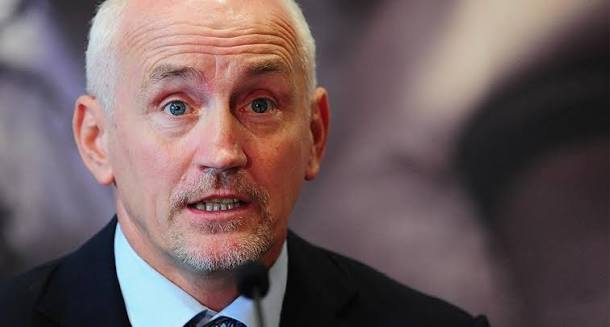
Barry McGuigan remains one of the most memorable figures in Irish boxing. From his early days in Clones and his successful amateur career to becoming a world featherweight champion, his journey was built on determination, discipline, and exceptional boxing ability. His famous victory over Eusebio Pedroza in 1985 transformed him into an international sporting hero and created a moment that remains important in Irish sporting history.
Although McGuigan eventually retired from professional boxing, his connection with the sport never truly ended. Through training, promotion, broadcasting, and his influence on younger fighters, he continued contributing to boxing for decades. His championship achievements, Hall of Fame recognition, and role as a unifying sporting figure have secured his place among Ireland’s most respected boxing personalities.
