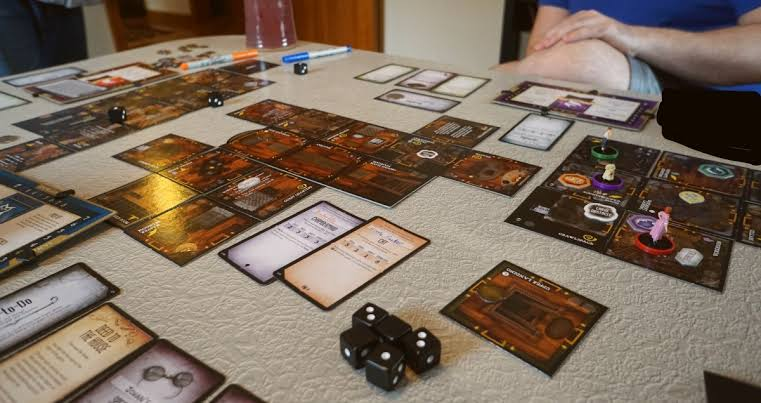
Betrayal Legacy: Complete Guide to Gameplay, Rules, Story, Characters, and Haunted House Adventures
Betrayal Legacy is a horror-themed board game that combines mystery, exploration, supernatural encounters, and unexpected betrayal into an unforgettable tabletop experience. Designed by Rob Daviau and published by Avalon Hill in 2018, the game expands upon the popular Betrayal at House on the Hill series by introducing a connected storyline that develops across multiple generations. Every decision can influence future adventures, making each campaign feel unique.
betrayal legacy Unlike traditional board games that return to their original condition after every session, Betrayal Legacy allows players to permanently change the game world. Characters develop family histories, rooms receive special characteristics, items become meaningful heirlooms, and supernatural events leave lasting consequences. These features create an evolving haunted mansion that reflects the experiences of the people exploring it.
Whether someone is discovering Betrayal Legacy for the first time or preparing to begin a campaign with friends, understanding its gameplay mechanics, rules, characters, and storytelling system can make the experience more enjoyable. Its combination of suspense, strategic decisions, and permanent consequences makes it a memorable choice for fans of narrative-driven tabletop games.
What Is Betrayal Legacy?
Betrayal Legacy is a campaign-based horror board game designed for players who enjoy mystery, cooperative exploration, and unpredictable supernatural challenges. Released in November 2018, it builds upon the original Betrayal at House on the Hill concept while introducing permanent changes that influence future sessions. The game supports three to five players in its original edition, with individual sessions generally lasting approximately 45 to 90 minutes.
The campaign begins in 1666 and follows several families connected to a mysterious haunted house. As generations pass, descendants return to the mansion, encounter disturbing events, and uncover details about its supernatural history. The house gradually transforms through player decisions, introducing new locations, objects, and unexpected developments. This evolving structure makes the setting feel like an important character within the story.
One of the game’s defining features is its combination of cooperation and betrayal. Players initially explore the house together, collecting useful items and investigating unusual events. However, a supernatural occurrence known as the Haunt eventually changes the situation. Depending on the scenario, one player may become a traitor while the others attempt to survive. This dramatic shift creates suspense and encourages players to adapt their strategies.
How Betrayal Legacy Gameplay Works
Betrayal Legacy gameplay begins with players selecting characters from different family lines and preparing the haunted mansion for exploration. Each character possesses four important attributes: Might, Speed, Knowledge, and Sanity. These statistics influence movement, physical strength, intellectual challenges, and resistance to supernatural threats. Understanding individual character abilities helps players make better decisions throughout each session.
During their turns, players explore connected rooms, discover new locations, and interact with cards representing events, items, and omens. Moving through an unexplored doorway can reveal another room tile, gradually expanding the mansion. Certain rooms require players to draw cards that introduce mysterious encounters, valuable equipment, or dangerous situations. Dice rolls determine the outcomes of many challenges, adding uncertainty to the adventure.
As exploration continues, players collect resources and prepare for possible supernatural threats. However, the cooperative phase eventually gives way to a Haunt, introducing new objectives and potentially dividing the group. Some scenarios involve a traitor attempting to defeat the remaining players, while others introduce unusual challenges. The combination of exploration, storytelling, and sudden conflict makes every session feel different.
Understanding the Betrayal Legacy Campaign and Storyline
The Betrayal Legacy campaign includes a prologue followed by thirteen interconnected chapters. Each chapter represents another stage in the haunted mansion’s history, allowing players to experience supernatural events across several centuries. The storyline gradually reveals how earlier decisions influence future generations, creating a sense of continuity rarely found in conventional board games.
Players represent families rather than unrelated individual characters. When one generation’s adventure ends, descendants may return during later chapters to continue investigating the mysterious house. Family identities, inherited objects, and previous encounters become important elements of the developing narrative. This system encourages players to become emotionally invested in their characters and the consequences of their decisions.
The story combines gothic horror, supernatural mysteries, family secrets, and unexpected discoveries. Rather than revealing everything immediately, the campaign introduces information through cards, chapter instructions, and special events. Players gradually learn more about the mansion and the strange forces surrounding it. Experiencing these revelations naturally is an important part of the game’s appeal, making a spoiler-free approach especially valuable for newcomers.
Betrayal Legacy Rules and the Haunt System
Understanding the Betrayal Legacy rules helps players enjoy the campaign without unnecessary confusion. Each session begins with exploration, during which characters move through rooms and interact with the environment. Movement depends on Speed, while other attributes determine success when attempting specific actions. Players frequently roll dice to resolve challenges, making character strengths and strategic decisions important.
The Haunt system introduces the central turning point of each adventure. Certain supernatural objects, known as omens, contribute to triggering a Haunt. Once the required conditions are met, players follow scenario instructions that establish new objectives and determine how the conflict unfolds. The exact rules can vary between chapters because the campaign gradually introduces additional mechanics.
When a scenario involves betrayal, the traitor and heroes often receive separate instructions explaining their objectives. This creates uncertainty because each side may possess information unavailable to the other. Players should carefully follow the relevant scenario rules, particularly when special instructions modify normal gameplay. Respecting hidden information and avoiding unnecessary discussion between opposing sides helps preserve the intended suspense.
Characters, Family Lines, and Heirloom Items
Character development is one of the most distinctive aspects of Betrayal Legacy. Instead of choosing completely unrelated adventurers for every session, players develop family lines that continue throughout the campaign. Characters may inherit identities, connections to earlier events, and important objects associated with previous generations. This approach creates a meaningful relationship between individual adventures.
Heirloom items are especially important because they connect ordinary equipment to family history. During the campaign, certain objects can become associated with particular families, allowing future descendants to receive additional benefits when using them. These inherited possessions provide practical gameplay advantages while strengthening the emotional connection between characters and earlier adventures.
The legacy system also allows permanent modifications to game components. Players may add stickers, record information, introduce new cards, or alter existing materials according to campaign instructions. These changes help transform the original game into a personalized record of the group’s experiences. By the end of the campaign, the mansion contains visible reminders of earlier discoveries, victories, and unfortunate encounters.
Haunted House Exploration, Rooms, and Special Events
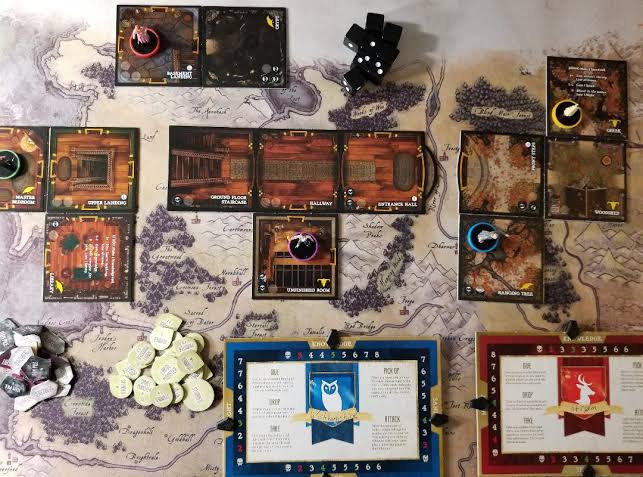
The haunted mansion serves as the central setting of Betrayal Legacy. At the beginning of each adventure, players have access to a limited number of rooms, but exploration gradually reveals additional locations. Room tiles introduce mysterious chambers, corridors, and unsettling spaces that expand the playable environment. Every discovery creates opportunities while potentially exposing characters to new dangers.
Exploration is closely connected to the game’s card system. Event cards introduce unusual situations that may require decisions or attribute checks. Item cards provide useful equipment, while omen cards represent supernatural discoveries that contribute to the possibility of triggering a Haunt. These mechanics create an unpredictable atmosphere because players cannot know exactly what awaits them behind every unexplored doorway.
The mansion becomes increasingly memorable as permanent changes accumulate throughout the campaign. Certain rooms may receive identites, special characteristics, or historical connections based on previous events. This evolving environment gives players a stronger sense of familiarity with the setting while maintaining its mysterious atmosphere. The house gradually becomes a reflection of the group’s shared adventures.
Betrayal Legacy Strategy and Tips for New Players
Successful Betrayal Legacy gameplay requires cooperation, careful exploration, and flexibility. During the opening phase, players benefit from understanding their characters’ strengths and recognizing which challenges suit their abilities. Characters with strong Knowledge may perform well during intellectual challenges, while those with higher Might can be useful when physical obstacles or combat situations arise.
Communication is particularly valuable before the Haunt begins. Players should discuss discoveries, share useful information, and consider how their equipment might benefit the group. Exploring different areas can reveal important resources, but becoming too isolated may create difficulties once supernatural threats emerge. Maintaining awareness of other characters’ locations helps players respond more effectively when objectives suddenly change.
New players should also remember that Betrayal Legacy is designed to create memorable stories rather than reward perfect decision-making alone. Unexpected outcomes, unusual encounters, and occasional defeats are important parts of the experience. Reading instructions carefully, respecting hidden information, and allowing permanent consequences to unfold naturally generally creates a more satisfying campaign.
Betrayal Legacy Replayability and Campaign Progression
Betrayal Legacy approaches replayability differently from conventional board games. Its primary campaign develops through permanent modifications to cards, rooms, and other components. These changes mean that a completed campaign cannot simply return to its original condition without replacing or recreating altered materials.
However, completing the campaign does not make the game unusable. Betrayal Legacy supports continued standalone play using the customized haunted house created during the campaign. Players can experience additional Haunts while retaining many of the changes accumulated throughout earlier sessions. This feature provides continued entertainment after the main storyline reaches its conclusion.
The replay value comes from both the original campaign and the personalized game that remains afterward. The campaign offers a connected narrative filled with discoveries and permanent consequences, while subsequent sessions allow players to revisit their customized mansion. Groups that appreciate collaborative storytelling may find this particularly rewarding because their game components preserve memories of shared adventures.
Betrayal Legacy and Betrayal at House on the Hill
Betrayal Legacy shares its central gameplay identity with Betrayal at House on the Hill. Both games involve exploring a mysterious mansion, discovering supernatural encounters, collecting equipment, and experiencing unpredictable Haunt scenarios. Players initially cooperate before the adventure introduces new objectives that may divide the group.
The most significant difference is the connected campaign. Traditional Betrayal at House on the Hill focuses primarily on standalone adventures, while Betrayal Legacy introduces permanent decisions, developing family histories, and an evolving mansion. Each session contributes to a larger narrative, encouraging players to consider how their actions may influence future generations.
Betrayal Legacy is particularly appealing to people who enjoy long-term storytelling and meaningful campaign progression. Its combination of horror, exploration, and permanent modifications creates an engaging tabletop experience. Newcomers can enjoy the game without extensive knowledge of earlier Betrayal titles, although maintaining a consistent group throughout the campaign helps preserve narrative continuity.
Conclusion
Betrayal Legacy offers a distinctive horror board game experience by combining supernatural exploration with permanent storytelling decisions. Its interconnected campaign, evolving haunted mansion, family histories, and unpredictable Haunt scenarios create an immersive adventure that develops across multiple generations. Every session contributes to the overall narrative, allowing players to build a personalized history filled with mysterious discoveries and unexpected consequences.
The game’s strongest qualities include its atmospheric setting, character development, creative legacy mechanics, and ability to transform cooperative exploration into dramatic conflict. Understanding the rules, communicating effectively, and approaching the campaign with an appreciation for storytelling can make the experience more rewarding.
For players who enjoy mystery, strategic decisions, and narrative-driven tabletop entertainment, Betrayal Legacy remains a memorable addition to the Betrayal series.