Chipmunk Droppings: Identification, Appearance, Health Risks, and Safe Cleanup
Chipmunk droppings are small signs of wildlife activity that homeowners may discover in gardens, yards, garages, sheds, or other areas around their properties. Chipmunks are small, energetic rodents that spend much of their time searching for seeds, nuts, berries, and insects. Although they generally prefer outdoor environments, they may occasionally explore areas close to homes where food and shelter are readily available.
Many people search for information about what chipmunk droppings looks like, how to distinguish it from mouse droppings, whether chipmunk feces are dangerous, and how to remove them safely. These questions matter because droppings from different rodents can look similar, making identification difficult without examining the surrounding evidence.
Understanding chipmunk droppings can help homeowners recognize wildlife activity, maintain a clean environment, and decide whether further action is necessary. It is also important to understand the potential health risks associated with animal waste and the precautions needed during cleanup.
What Do Chipmunk Droppings Look Like?
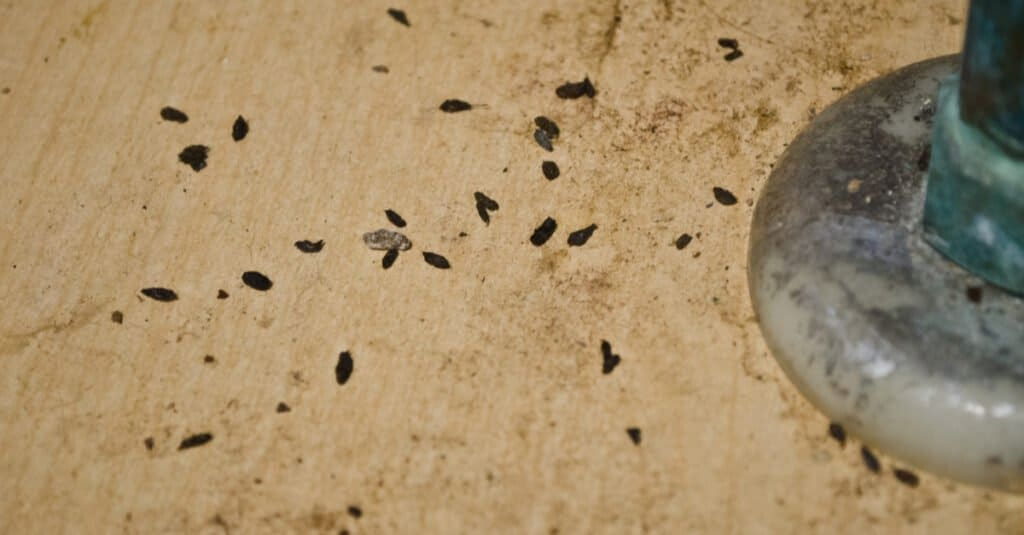
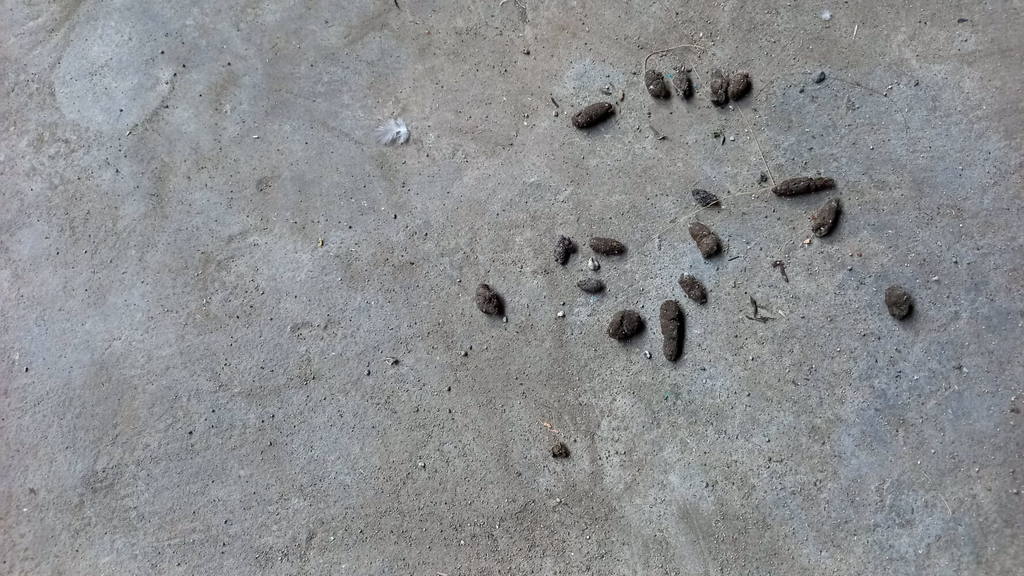
Chipmunk droppings are generally small, dark, and pellet-shaped. Their exact appearance can vary depending on the animal’s diet, age, and the condition of the waste. Fresh droppings may appear darker and slightly moist, while older ones often become dry, dull, and harder. Their color may range from dark brown to nearly black, although appearance alone cannot reliably establish which animal produced them.
The size of chipmunk poop can resemble the droppings of mice and other small rodents. Individual pellets may be difficult to identify without additional clues, especially when they are found in a dusty corner or outdoor area. The surrounding environment can provide helpful information, including small burrow entrances, disturbed soil, scattered seed shells, and signs of feeding activity. However, these clues should be considered together rather than treated as conclusive proof.
Chipmunks are active foragers and frequently visit places where seeds, nuts, and other foods are available. Their droppings may therefore be discovered near gardens, bird feeders, stone walls, or sheltered outdoor spaces. Nevertheless, finding small, dark pellets near a feeding area does not automatically mean chipmunks are responsible. Careful observation is more useful than relying on a single physical characteristic.
Where Are Chipmunk Droppings Commonly Found?
Chipmunk droppings may appear in gardens, near patios, around sheds, beside retaining walls, or close to the foundations of buildings. These rodents often search for food around trees, shrubs, flower beds, and bird feeders. They may also explore spaces beneath steps, decks, and other structures that provide protection from predators and harsh weather.
Unlike many rodents that regularly nest inside buildings, chipmunks typically use underground burrows. These burrows may have entrances near rocks, tree roots, foundations, or other sheltered locations. Chipmunks carry food into their burrows and spend considerable time underground, so their waste may not always be visible where they feed. The location of droppings can offer useful clues, but it does not necessarily reveal where an animal sleeps or nests.
If you discover droppings inside a kitchen cupboard, pantry, garage, or storage box, consider the possibility of mice or another indoor rodent. Chipmunks can occasionally enter buildings, but repeated droppings indoors should not automatically be attributed to them. Look for other evidence, such as gnaw marks, damaged packaging, nesting materials, or openings through which animals could enter. When the animal cannot be identified confidently, a pest management professional can help assess the situation.
How to Identify Chipmunk Droppings Correctly
Identifying chipmunk droppings requires examining several signs rather than focusing exclusively on size or color. Start by observing the material without touching it. Consider whether it consists of small pellets, whether it appears fresh or old, and whether it is concentrated in one location. Then inspect the surrounding area for burrow entrances, disturbed soil, discarded seed shells, and visible chipmunk activity.
Chipmunks are generally active during daylight hours, making direct observation another potentially useful clue. If you regularly see a chipmunk gathering food near a stone wall or garden bed where droppings are present, the animal may be responsible. However, other rodents and wildlife may use the same area, so a sighting does not establish the source of every dropping.
You can also monitor the location after cleaning it safely. If fresh droppings appear again, examine the area for additional signs of activity and possible entry points. Repeated waste inside a building, especially when accompanied by gnawing or damaged food containers, may indicate a rodent infestation that needs attention. When identification remains uncertain, avoid handling the material or attempting to determine the species through direct contact.
Are Chipmunk Droppings Dangerous to Humans?
Chipmunk droppings should be treated as potentially contaminated animal waste. Wild rodents can carry disease-causing organisms, and exposure may occur through contact with feces, urine, saliva, contaminated surfaces, or food. Rodents can also carry external parasites, including fleas, ticks, and mites, which may create additional health concerns.
The presence of chipmunk droppings does not mean that the animal was infected or that someone will become ill. Risk depends on several factors, including the animal species, the local environment, the amount of contamination, and the type of exposure. A few pellets discovered outdoors are not necessarily an emergency, but they should still be removed using appropriate precautions. Droppings found in enclosed spaces or areas with extensive rodent activity deserve particular care.
One important concern is airborne contamination. Sweeping or vacuuming dry rodent droppings can disturb contaminated material and release particles into the air. Inhaling certain contaminated particles can expose people to rodent-associated infections. Therefore, dry feces, urine stains, and nesting material should be disinfected before removal rather than disturbed mechanically. People who experience concerning symptoms after a suspected exposure should seek medical advice and explain the circumstances of the exposure.
How to Clean Up Chipmunk Droppings Safely
Safe cleanup begins with preparing the area. If the droppings are inside a shed, garage, or another enclosed space, open doors and windows and leave the area to ventilate for about 30 minutes before beginning. Wear rubber or plastic gloves, and avoid touching the material directly. If the contamination is extensive, consider professional cleanup instead of attempting to handle it yourself.
Spray the chipmunk droppings thoroughly with an appropriate household disinfectant, following the product label’s directions for contact time. A fresh solution made from one part household bleach and nine parts water can be used for suitable cleanup situations. Allow the solution to remain on the material for the recommended period, generally five minutes when following this bleach-solution method. Never mix bleach with ammonia, acids, or other cleaning products, and ensure the surface is compatible with the solution.
Once the chipmunk droppings are thoroughly wet and disinfected, use paper towels to collect them and place the waste in a covered garbage container. Disinfect the affected hard surface afterward, remove your gloves carefully, and wash your hands thoroughly with soap and water. Do not sweep or vacuum dry rodent waste. If you discover large accumulations, nesting materials, or contamination inside ventilation systems, seek professional assistance because these situations may require additional protective equipment and specialized cleaning procedures.
How to Prevent Chipmunks From Returning
Preventing chipmunk activity begins with reducing easy access to food. Birdseed, pet food, fallen nuts, berries, and unsecured rubbish can attract wildlife to residential properties. Store animal feed and seeds in secure containers, clean spilled birdseed regularly, and avoid leaving pet food outdoors overnight. Removing fallen fruit and nuts from the ground can also make gardens less attractive to foraging animals.
The exterior of the home should also be inspected for vulnerable openings and areas where rodents may enter. Seal appropriate gaps around foundations, utility pipes, sheds, and other structures with durable materials suited to the location. Metal mesh can help protect certain openings when installed correctly. However, ensure that animals are not trapped inside before sealing an entry point, and avoid blocking drainage or ventilation openings that must remain functional.
Chipmunks may burrow beneath patios, steps, retaining walls, and other structures, sometimes causing soil displacement or localized damage. If you notice repeated digging close to a building, monitor the area and determine whether the activity threatens the structure. Avoid handling or trapping wildlife without understanding the relevant local regulations. If chipmunk activity continues despite preventive measures, a qualified wildlife control professional can recommend appropriate and humane solutions.
Chipmunk Droppings vs. Mouse Droppings
Chipmunk droppings and mouse droppings can look remarkably similar because both animals are small rodents. Their feces may consist of dark, elongated pellets, and their appearance can change as the waste dries. Although size and shape may offer clues, there is no simple visual rule that reliably distinguishes every chipmunk droppings from every mouse dropping.
The surrounding environment is often more useful than the pellets themselves. Chipmunks are commonly associated with outdoor burrows, gardens, stone walls, and areas where seeds and nuts are abundant. Mice are more likely to establish themselves inside buildings, where they can find food, warmth, and sheltered nesting places. However, these are general patterns rather than absolute rules, because both animals can enter unexpected locations.
Other signs can help narrow down the possibilities. Chipmunks may leave visible burrow entrances and disturbed soil outside, while mice may produce gnaw marks, nesting material, damaged food packaging, and repeated droppings along indoor travel routes. Even with these clues, a definitive identification may require professional assessment. Correctly identifying the animal matters because the most effective prevention strategy depends on how it enters the property, where it nests, and what attracts it.
When Should You Call a Pest Control Professional?
Professional help may be appropriate when chipmunk droppings repeatedly appear inside your home, the amount of waste increases, or you cannot identify the animal responsible. Persistent rodent activity can indicate an entry point, an accessible food source, or a nesting area that needs attention. A qualified professional can inspect the property, identify likely sources of activity, and recommend suitable prevention or removal measures.
You should also consider professional assistance when droppings are found in large quantities inside an enclosed building, around insulation, or near heating and ventilation equipment. These situations may involve contamination beyond what can be safely managed with ordinary household cleaning supplies. People with weakened immune systems or other health concerns may wish to seek additional guidance before handling contaminated areas.
The goal is not simply to remove visible droppings but to address the conditions that allowed the animal to enter or remain nearby. This may involve securing food storage, repairing gaps, modifying bird-feeding practices, and managing access to sheltered spaces. A well-planned approach can reduce repeated wildlife visits and help maintain a cleaner, safer environment without unnecessary harm to animals.
Conclusion
Chipmunk droppings can provide useful clues about wildlife activity around a home, but their small size and resemblance to other rodent feces make identification difficult. Their appearance, location, nearby burrows, feeding activity, and other signs should be considered together. Droppings found in a garden may have a different explanation from repeated waste discovered inside a kitchen, garage, or storage building.
Although finding chipmunk poop can be unpleasant, the situation can usually be managed with careful handling and sensible preventive measures. Avoid direct contact, never sweep or vacuum dry rodent waste, and disinfect contaminated surfaces before removing the material. Pay particular attention to enclosed areas and extensive accumulations, where professional cleanup may be appropriate.
Finally, reduce accessible food sources, secure vulnerable openings, and monitor the property for renewed activity. If droppings continue to appear or the animal cannot be identified, seek advice from a qualified pest management professional. These practical steps can help protect your household, maintain a clean environment, and manage chipmunk activity responsibly.