


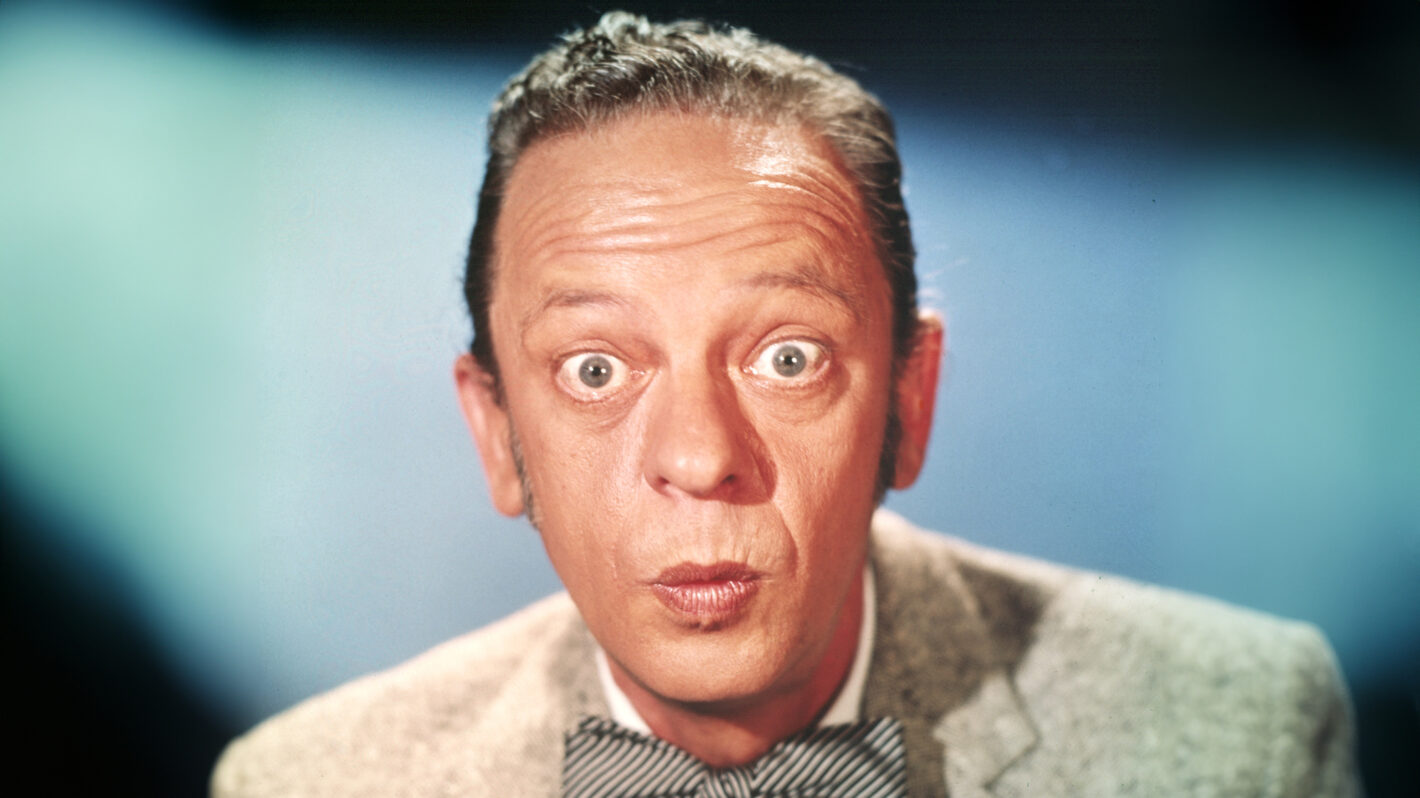
Don Knotts was one of the most recognizable comedy actors in American television and film. Known for his nervous expressions, rapid speech, physical humor, and unforgettable character work, he built a career that lasted more than six decades. His most famous role was Deputy Barney Fife on The Andy Griffith Show, a character that made him a television icon and earned him five Emmy Awards. He later reached another generation of viewers as Ralph Furley on Three’s Company.
Born Don Knotts on July 21, 1924, in Morgantown, West Virginia, Knotts did not begin his career as a conventional Hollywood star. He started performing as a ventriloquist, served in the U.S. Army during World War II, studied theater at West Virginia University, and eventually moved to New York to pursue entertainment. His journey from small-town performer to award-winning television comedian is an important part of his lasting appeal.
Don Knotts’ Early Life and Childhood
Don Knotts was the youngest of four sons and grew up in Morgantown during a financially difficult period. He developed an interest in entertainment at a young age and began performing as a ventriloquist at school functions, church events, and local gatherings. His early performances gave him experience in front of audiences and helped him discover that comedy could become more than a hobby.
After high school, Knotts briefly went to New York hoping to establish himself in show business, but the experience did not immediately work out. He returned to West Virginia and attended West Virginia University, where he eventually earned a degree in theater in 1948. His education helped him develop stage skills, while his early attempts at professional entertainment taught him the importance of persistence.
Don Knotts’ Military Service and Early Entertainment Career
During World War II, Knotts left college and joined the United States Army. He served in the Pacific and became part of a military entertainment unit. Instead of spending his service entirely in conventional military duties, he entertained troops as a comedian and performer in a G.I. variety show called Stars and Gripes. This experience helped him become more comfortable performing comedy without relying on his earlier ventriloquist act.
After returning from military service, Knotts completed his education and moved back to New York. He worked in radio, television, and theater while developing his professional reputation. One of his early television roles came on the soap opera Search for Tomorrow, where he played Wilbur Peterson. Although the role was more serious than his later work, it gave him valuable television experience.
Don Knotts and The Steve Allen Show
Knotts received his major early television breakthrough through The Steve Allen Show. Beginning in the mid-1950s, he became known for a recurring “nervous man” character who appeared in mock street interviews. The character was anxious, uncomfortable, and visibly overwhelmed, allowing Knotts to turn nervous reactions into a distinctive form of comedy.
This performance style became the foundation for many of the characters he would play throughout his career. Knotts understood how to use facial expressions, body language, pauses, stammering, and rapid changes in emotion to create humor. His work with Steve Allen made him widely recognizable and gave him the visibility that eventually led to his most important television role.
Don Knotts and Andy Griffith
Don Knotts first worked with Andy Griffith on the Broadway production of No Time for Sergeants in 1955. The two developed a strong professional friendship, and Knotts later appeared with Griffith in the film adaptation. Their chemistry became particularly important when Griffith launched a new television sitcom centered on a small-town sheriff.
In 1960, Knotts joined The Andy Griffith Show as Deputy Barney Fife. Griffith played the calm and practical Sheriff Andy Taylor, while Knotts created a completely different personality in Barney. Their contrasting approaches produced a natural source of comedy, with Andy often remaining patient while Barney became increasingly excited, nervous, or convinced that he was solving a major crime.
Barney Fife and The Andy Griffith Show
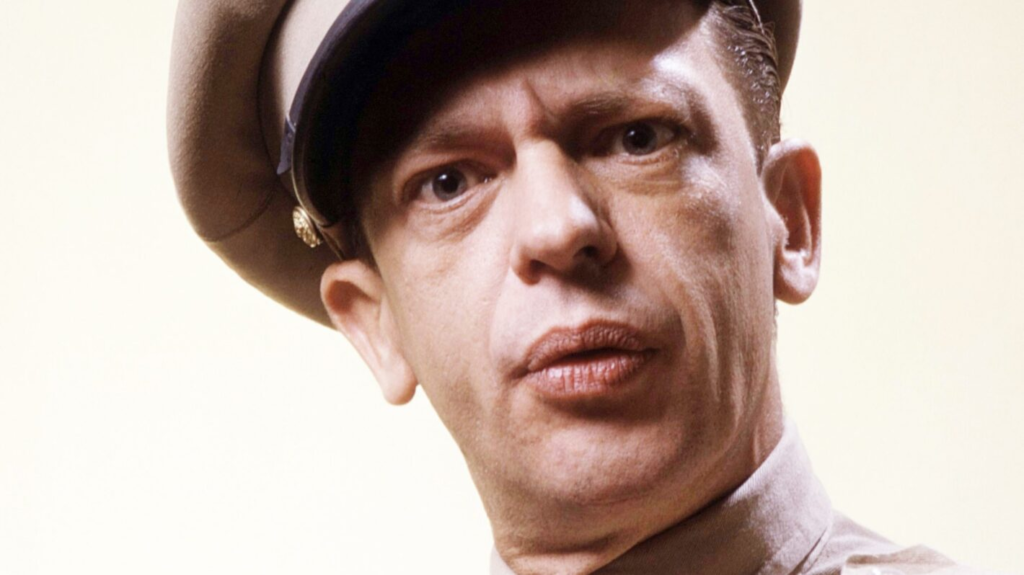
Barney Fife became Don Knotts’ signature character and one of the most famous figures in American sitcom history. Barney was the deputy sheriff of Mayberry, North Carolina, and believed strongly in his abilities as a lawman. In reality, he was frequently nervous, overly dramatic, and responsible for creating problems that Andy had to solve.
Knotts’ performance made Barney much more than a simple comic character. His expressions, voice, physical movements, and impeccable timing gave the deputy a personality that audiences could immediately recognize. Knotts won five Emmy Awards for his performance, making Barney Fife one of the most highly honored comedy roles in television history.
Knotts left the regular cast of The Andy Griffith Show in 1965 to pursue a film career, although he returned for guest appearances afterward. His departure changed the dynamic of the series, but Barney Fife remained one of its defining characters. The character continued to appear in the public imagination through reruns, reunions, and later references to the classic sitcom.
Don Knotts’ Movie Career
After leaving The Andy Griffith Show, Knotts focused more heavily on movies. His first major starring film was The Incredible Mr. Limpet, released in 1964. Knotts played Henry Limpet, a mild and nervous man who becomes a talking fish. The unusual combination of live action and animation allowed him to display the physical comedy that had become his trademark.
He later starred in movies including The Ghost and Mr. Chicken, The Reluctant Astronaut, The Shakiest Gun in the West, The Love God?, and How to Frame a Figg. Many of these films relied on Knotts’ familiar comic persona, placing an ordinary, anxious man into increasingly ridiculous situations. Although his movie career did not reach the same heights as his television work, these films became important parts of his legacy.
During the 1970s, Knotts also appeared in several Disney productions, including The Apple Dumpling Gang, where he worked alongside Tim Conway. Their comedic partnership became popular with family audiences. Knotts’ willingness to continue working in family entertainment helped keep his career active even as television and film comedy changed.
Don Knotts and Three’s Company
In 1979, Don Knotts returned to major television success when he joined the cast of Three’s Company. He played Ralph Furley, the eccentric landlord of the apartment building occupied by the show’s main characters. Furley was dramatically different from Barney Fife in setting, but Knotts brought many of the same comedic strengths to the role.
Ralph Furley was confident, theatrical, suspicious, and often convinced that he was more sophisticated than he really was. Knotts used exaggerated gestures and facial expressions to turn the character’s misunderstandings into some of the show’s memorable comic moments. He remained with Three’s Company until the series ended in 1984, giving him another long-running television role.
Don Knotts’ Later Career and Personal Life
After Three’s Company, Knotts continued working in television, film, theater, and voice acting. He reunited with Andy Griffith in the 1986 television movie Return to Mayberry and later had a recurring role as Les Calhoun on Griffith’s legal drama Matlock. Their professional relationship remained an important part of both actors’ careers.
Knotts also found new opportunities in films during the 1990s. One of his notable later performances was as the mysterious television repairman in Pleasantville, a 1998 film that introduced his comedy to a newer generation. He also provided voice work in animated projects, including Chicken Little. His autobiography, Barney Fife and Other Characters I Have Known, gave fans additional insight into his life and experiences in entertainment.
Don Knotts’ Death and Legacy
Don Knotts died on February 24, 2006, in Los Angeles at the age of 81. He had been dealing with lung cancer, and his death marked the end of a remarkable career that had stretched from radio and stage performances to classic television and modern family films.
His legacy remains especially strong because his characters were instantly recognizable but still relatable. Barney Fife represented insecurity hidden behind confidence, while Ralph Furley represented exaggerated self-importance and romantic ambition. Both characters demonstrated Knotts’ exceptional understanding of timing and physical comedy.
Why Don Knotts Remains a Comedy Icon
Don Knotts’ lasting importance comes from his ability to make vulnerability funny without making his characters difficult to like. His characters often became frightened, confused, embarrassed, or overly excited, but audiences usually sympathized with them. His nervous mannerisms became a unique comic language that other performers could imitate but rarely reproduce with the same precision.
His five Emmy victories for Barney Fife remain one of the clearest measures of his television achievement. Yet awards alone do not explain his popularity. Decades after his death, The Andy Griffith Show and Three’s Company continue to introduce his performances to new viewers. His movies remain popular among fans of classic American comedy, and his distinctive screen presence continues to influence the way audiences remember television’s golden age.
Conclusion: The Lasting Legacy of Don Knotts
Don Knotts built an extraordinary career by turning nervousness, awkwardness, and exaggerated fear into a form of comedy that millions of people loved. From his early work as a ventriloquist and military entertainer to his television breakthrough with Steve Allen, he developed a style that eventually made him one of America’s most recognizable comic actors.
For many viewers, Don Knotts will always be Barney Fife, the excitable deputy from Mayberry. Others remember him as Ralph Furley, the eccentric landlord from Three’s Company, or from his numerous comedy films and later television appearances. Whatever role audiences remember most, his contribution to American comedy is unmistakable.. His timing, expressions, voice, and unforgettable characters ensured that Don Knotts became much more than a successful actor: he became a lasting comedy legend.
