


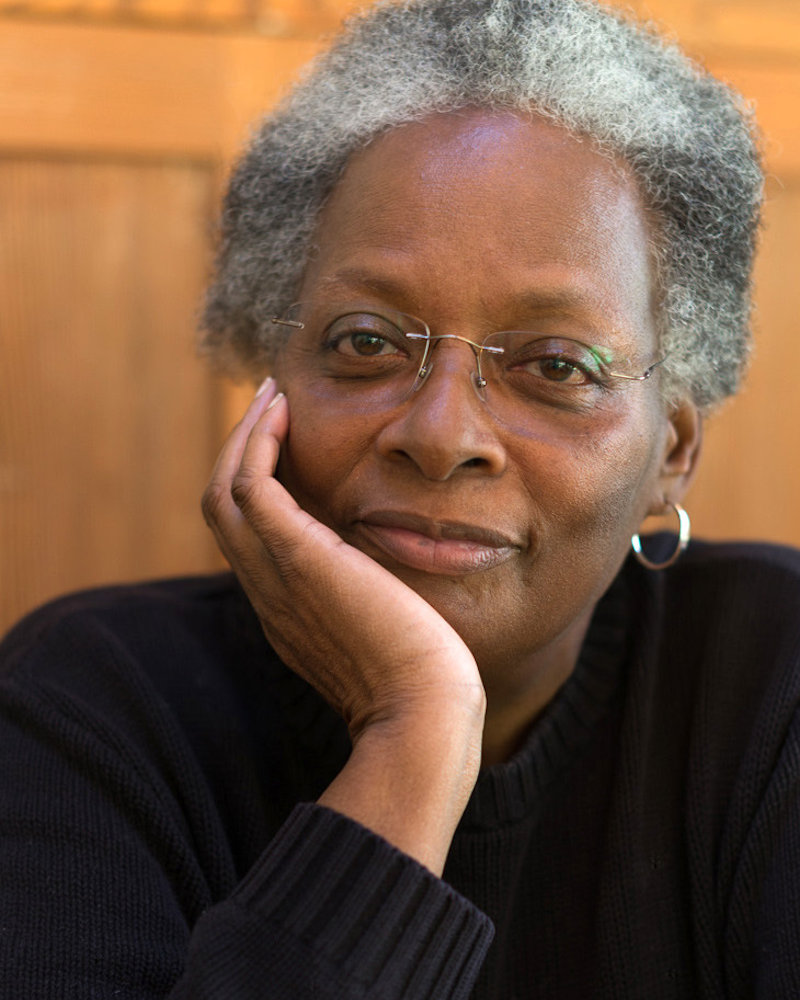
Mandy Carter is a respected American social justice activist, organizer, and community leader known for her decades of work in civil rights, LGBTQ+ equality, racial justice, and grassroots organizing. Throughout her career, she has dedicated herself to creating stronger communities and supporting movements that promote fairness, inclusion, and equal rights for all people.
With more than five decades of activism experience, Mandy Carter has become an important figure in American social movements. Her work has focused on connecting different communities and highlighting the importance of fighting against discrimination in all forms. She is recognized for her leadership, commitment to nonviolent activism, and ability to bring people together around shared goals.
From her early involvement in civil rights movements to her leadership roles in organizations such as Southerners On New Ground and the National Black Justice Coalition, Carter’s life reflects the power of long-term dedication.
Early Life and Background of Mandy Carter
Mandy Carter was born on November 2, 1948, in Albany, New York. Her early life experiences had a major influence on her future activism. She spent much of her childhood in the foster care system and children’s homes, where she developed a strong understanding of community, support, and the importance of helping others.
During her teenage years, Carter was introduced to ideas of peace, equality, and social responsibility through organizations focused on nonviolence and human rights. These experiences helped shape her beliefs and encouraged her to become involved in movements that challenged injustice.
After finishing high school, Carter briefly attended Hudson Valley Community College but soon became more interested in participating directly in social movements. The political and cultural changes of the 1960s inspired her to become involved in activism focused on civil rights, peace, and equality.
Mandy Carter’s Early Activism Journey
Mandy Carter began her activism during a period of significant social change in the United States. She became involved with the War Resisters League, an organization focused on nonviolent resistance and peace activism. This experience introduced her to organizing methods that would influence her work for decades.
During her time in California, Carter became active in movements opposing the Vietnam War and supporting civil rights. She learned the importance of grassroots organizing and community involvement, which later became central elements of her leadership style.
Her early experiences helped her understand that social change required cooperation between different groups. Carter developed a belief that movements were stronger when people from diverse backgrounds worked together toward common goals.
Mandy Carter and LGBTQ+ Rights Advocacy
A major part of Mandy Carter’s career has been her work for LGBTQ+ equality. As an African American lesbian activist, she has spent decades advocating for LGBTQ+ rights while also addressing issues of race, economic inequality, and social justice.
Carter has emphasized the importance of recognizing the connections between different forms of discrimination. Her approach has often focused on intersectionality, which highlights how race, gender, sexuality, and economic conditions can influence people’s experiences.
Through organizing, public speaking, and community leadership, Carter has helped create greater visibility for LGBTQ+ people of color. Her work has encouraged more inclusive approaches within social justice movements and helped expand conversations about equality.
Founding Southerners On New Ground
One of Mandy Carter’s most significant achievements was helping establish Southerners On New Ground, often known as SONG, in 1993. The organization was created to connect LGBTQ+ rights with broader struggles for racial, economic, and social justice in the American South.
Through SONG, Carter and other organizers worked to build stronger relationships between LGBTQ+ communities, communities of color, immigrants, and working-class groups. The organization focused on creating a movement that represented people with different experiences and backgrounds.
Carter’s leadership in SONG demonstrated her belief that lasting change comes from building strong communities. Her work helped create a model of activism that combined identity, equality, and social responsibility.
Mandy Carter’s Political Organizing and Voter Engagement
Beyond community activism, Mandy Carter has also played an important role in political organizing and voter engagement. She worked on campaigns designed to increase participation among underrepresented communities and encourage people to use their voices in democratic processes.
In 1990, Carter served as campaign manager for Senate Vote ’90, an effort focused on mobilizing voters in North Carolina. The campaign highlighted the importance of bringing together different communities around issues of representation and equality.
She later continued working in voter empowerment efforts and political education. Her experience showed how activism can extend beyond protests and demonstrations by also encouraging civic participation and community leadership.
Role in the National Black Justice Coalition
Mandy Carter was one of the co-founders of the National Black Justice Coalition, an organization focused on advancing equality and justice for Black LGBTQ+ communities. The organization addressed challenges faced by people who experienced discrimination because of both race and sexual orientation.
Through her work with the organization, Carter helped create greater awareness about the experiences of Black LGBTQ+ individuals. She worked to ensure that their voices were included in broader discussions about civil rights and social progress.
Her involvement with the National Black Justice Coalition strengthened her reputation as a bridge builder who connected different movements. She continued promoting cooperation between communities working toward equality.
Recognition and Achievements of Mandy Carter
Throughout her career, Mandy Carter has received recognition for her contributions to human rights and social justice. Her work has been honored by organizations that recognize her dedication to equality, activism, and community leadership.
Carter has received awards for her efforts in advancing LGBTQ+ rights and civil rights. She has also been recognized for her ability to organize communities and create lasting connections between different social movements.
Although awards highlight her achievements, Carter’s greatest impact comes from the people and organizations influenced by her work. Her leadership has helped inspire activists who continue working for justice and equality.
Mandy Carter’s Lasting Impact on Social Justice
Mandy Carter’s influence extends beyond the organizations she helped build. Her career represents the importance of patience, persistence, and long-term commitment in creating social change.
Her activism has shown that movements are strongest when they include people from different backgrounds and experiences. By connecting racial justice, LGBTQ+ equality, and economic fairness, Carter has helped create a broader understanding of what social justice means.
Today, many activists view Carter as an example of effective community leadership. Her work demonstrates that meaningful progress often comes through years of organizing, education, and collaboration.
Conclusion
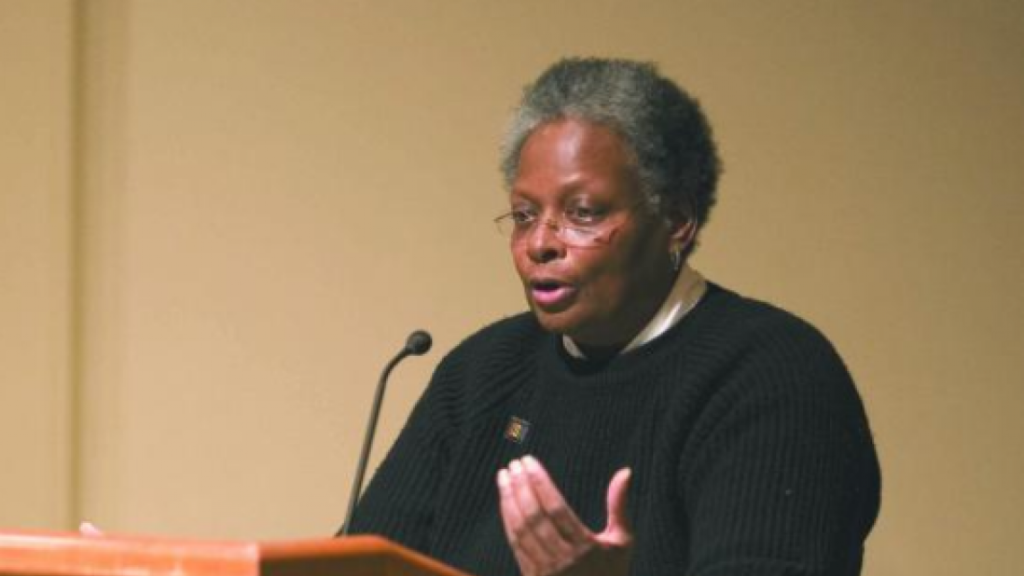
Mandy Carter life is a powerful example of dedication to equality, human rights, and community empowerment. From her early experiences in civil rights activism to her leadership in LGBTQ+ and racial justice movements, she has spent decades working to create a more inclusive society.
Her contributions to organizations such as Southerners On New Ground and the National Black Justice Coalition have helped strengthen movements for justice and representation. Through her organizing skills and commitment to nonviolent activism, Carter has influenced countless individuals and communities.
