



Michael Atherton is one of the most recognizable figures in English cricket, having built a distinguished career both as an international opening batsman and as a respected cricket journalist and broadcaster. Born on March 23, 1968, Atherton represented England between 1989 and 2001 and became one of the most experienced Test players of his generation. He was known for his determination at the crease, disciplined technique, and ability to occupy the crease for long periods against some of the world’s best bowling attacks.
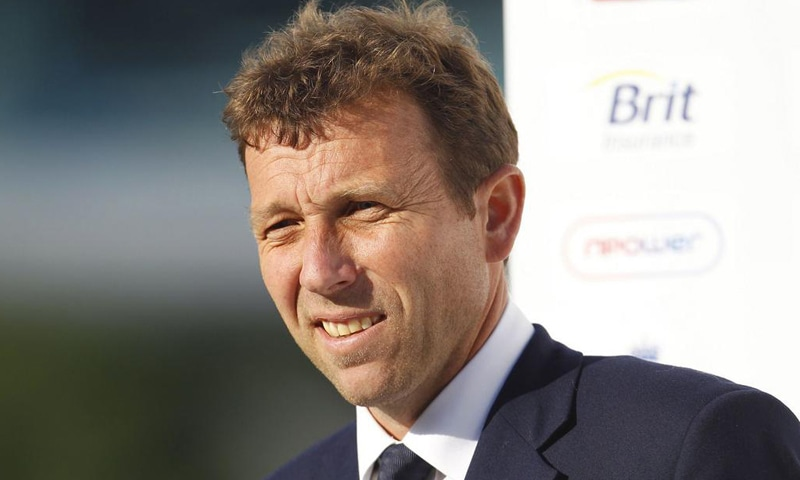
Michael Atherton After retiring from professional cricket, Atherton successfully moved into journalism and broadcasting. His work as a cricket columnist and television analyst has allowed him to remain closely connected to the sport. Today, the name Michael Atherton is associated not only with England’s Test cricket history but also with thoughtful analysis of modern cricket. His journey from Lancashire youngster to England captain and then cricket commentator makes his career particularly interesting for cricket fans.
Michael Atherton’s Early Life and Introduction to Cricket
Michael Andrew Atherton was born in Manchester, England, and developed an interest in cricket from an early age. His early cricket education helped establish the disciplined approach that would later become one of the defining characteristics of his batting. He progressed through school and youth cricket before making his way into professional county cricket, where his ability against experienced bowlers quickly became apparent.
Michael Atherton made his Lancashire debut in 1987 and developed rapidly during his early professional years. Lancashire Cricket records that he went on to score almost 10,000 runs for the county between 1987 and 2001, including 29 centuries. His performances at county level helped him earn international recognition, and only two years after making his Lancashire debut, he made his Test debut for England at the age of 21.
His development was particularly impressive because opening the batting requires a strong defensive technique and the patience to face the new ball. Atherton developed a reputation for being difficult to dismiss when he was settled at the crease. Rather than relying entirely on attacking strokes, he often built his innings through concentration, careful shot selection, and a willingness to bat for long periods.
Michael Atherton’s England Test Career
Atherton made his England Test debut in 1989 and went on to become one of the country’s most experienced opening batsmen. His international Test career lasted from 1989 to 2001, during which he played 115 matches and scored 7,728 runs. His record included 16 Test centuries, 46 fifties, and a highest score of 185. His Test batting average was 37.7.
One of the notable features of Atherton’s career was the sheer number of innings he played at the top of the England order. He appeared in 212 Test innings and faced some of the strongest bowling attacks of the period. His career included encounters with legendary fast bowlers and difficult international conditions, making his run tally particularly significant in the context of English cricket during the 1990s.
The basic shape of his international career can be illustrated through his major statistical achievements:
Michael Atherton Test Career Graph
Test matches: ██████████████████████████████████████████████████ 115
Test runs: ██████████████████████████████████████████████████ 7,728
Test centuries: ████████████████ 16
Test fifties: ██████████████████████████████████████████████ 46
His statistics demonstrate that Atherton was not simply a player who had a short period of success. He maintained an international career across more than a decade and accumulated thousands of Test runs. Lancashire also notes that he captained England in 54 Tests, which was a record for England at the time.
Michael Atherton’s Famous 185 Against South Africa
Among the most memorable performances of Michael Atherton’s playing career was his unbeaten 185 against South Africa in Johannesburg in 1995. The innings became famous for its extraordinary length and the concentration required to survive against a high-quality bowling attack. It remains one of the performances most frequently associated with Atherton’s reputation as a determined Test batsman.
The innings reflected many of his strongest qualities as a cricketer. Atherton was prepared to defend for long periods, absorb pressure, and wait for scoring opportunities rather than forcing the pace. His ability to remain focused over an extended period became an important part of his identity as an international opener. His highest Test score of 185 is still recorded in his official career statistics.
The Johannesburg innings also illustrates why Atherton became such a recognizable figure in Test cricket. At a time when opening batsmen were expected to withstand aggressive new-ball bowling, the ability to survive and eventually score heavily was extremely valuable. His performances demonstrated that Test batting could be built around patience and resilience as much as natural stroke play.
Michael Atherton as England Captain
Atherton’s importance to English cricket went beyond his individual batting performances because he also became England’s Test captain. He led the national side in 54 Test matches, a significant responsibility during a challenging period for English cricket. Captaincy required him to balance his own role as an opening batsman with decisions involving bowling changes, field placements, team selection, and match strategy.
His time as captain is often remembered as a period in which England faced strong international opponents and went through considerable changes. Atherton himself remained heavily involved in the tactical and emotional demands of Test cricket. Leading from the top of the batting order meant that he frequently had to begin an innings while also carrying the additional responsibility of being captain.
Atherton’s captaincy also contributed to his later career as a cricket analyst. Having experienced international cricket from inside the dressing room, he developed a detailed understanding of the pressures faced by players and captains. That experience later became valuable when he began explaining tactics, performances, and leadership decisions as a journalist and broadcaster.
Michael Atherton’s Lancashire Career
Before and alongside his England career, Atherton established himself as an important Lancashire player. His county career began in 1987 and continued until 2001. During those years, he scored almost 10,000 runs for Lancashire at the top of the order and made 29 centuries. His best score for the county was 268 not out against Glamorgan at Blackpool in 1999.
His Lancashire career was also part of a successful period for the county. Lancashire won eight one-day trophies during the 1990s, including cup doubles in 1990 and 1996. Atherton therefore experienced both individual success and a strong team environment during his years at Old Trafford. His county performances played an important role in preparing him for the demands of international cricket.
The long county career also helps explain Atherton’s development as a technically disciplined batsman. County cricket provided regular exposure to different bowling conditions, pitches, weather, and opponents. That experience gave him the foundation required to become a reliable international opener and eventually one of England’s most experienced Test players.
Michael Atherton’s ODI Career and Playing Style
Although Atherton became most strongly associated with Test cricket, he also represented England in One Day Internationals. His ODI career ran from 1990 to 1998, during which he played 54 matches and scored 1,791 runs. His highest ODI score was 127, while his record included two centuries and 12 fifties.
His batting style was more naturally suited to the longer format of the game, where concentration and defensive technique could be used to build substantial innings. Test cricket gave him more time to settle and allowed his ability to leave the ball, defend accurately, and gradually accumulate runs to become major strengths. In limited-overs cricket, the need for a faster scoring rate created different demands.
Atherton’s playing style was therefore closely linked with the traditional qualities of an opening Test batsman. He was right-handed and generally relied on technique, judgment, patience, and concentration. His career statistics show that his greatest contribution came in Test cricket, where he accumulated more than 7,700 runs and 16 centuries over 115 matches.
Michael Atherton’s Retirement From Cricket
After more than a decade of international cricket, Atherton retired from professional playing in 2001. His retirement brought an end to a career that had included 115 Test matches, thousands of international runs, and a significant period as England captain. His playing career had taken him through some of the most demanding years of international cricket in the 1990s.
Retirement did not mean that Atherton moved away from cricket. Instead, he transitioned into a completely different role within the sport. His knowledge of the game, experience as an international player, and ability to communicate clearly made journalism and broadcasting natural areas for him to explore. This second career eventually became almost as recognizable as his playing career.
His transition also demonstrated how former athletes can use their playing experience in new ways. Rather than simply discussing scores and statistics, Atherton could explain the pressures behind individual performances and tactical decisions. His experience as both an opening batsman and captain gave him a perspective that was useful when analyzing Test cricket.
Michael Atherton’s Journalism and Broadcasting Career
Following his playing career, Michael Atherton became a cricket journalist and columnist. He has worked with The Times and became one of the familiar voices associated with cricket coverage. His writing has covered major international series, England performances, players, coaches, tactics, and wider developments within the sport.
Atherton also became a prominent television cricket analyst with Sky Sports. Sky Sports currently describes him as a cricket expert and columnist, and its coverage continues to feature his analysis and opinions on England and international cricket. His broadcasting career has included detailed discussions of Test matches, Ashes cricket, England’s players, tactics, and developments in modern cricket.
His post-playing career has been successful partly because his analysis is rooted in direct experience. Atherton understands what it means to open the batting in Test cricket, captain England, face international fast bowling, and deal with the pressures surrounding major matches. That background gives additional context to his work as a cricket writer and broadcaster.
Michael Atherton’s Place in English Cricket
Michael Atherton’s place in English cricket extends beyond his raw statistics. His 115 Tests, 7,728 runs, 16 centuries, and 54 matches as England captain provide the measurable foundation of his playing career. His induction into the Lancashire Cricket Hall of Fame in 2024 also formally recognized his contribution to the county’s history.
His influence has continued through journalism and broadcasting. Unlike many former players who leave professional cricket and disappear from the public eye, Atherton remained closely involved with the game. His columns and television analysis have allowed him to comment on successive generations of English players while drawing upon his own experiences from international cricket.
For cricket followers, Atherton represents a connection between different eras of the game. He played during a period dominated by traditional Test techniques and difficult international contests, while his broadcasting career has continued into the modern era of data analysis, franchise cricket, T20 competitions, and changing approaches to Test batting. His career therefore provides an interesting bridge between past and present English cricket.
Michael Atherton’s Legacy and Career Beyond Cricket
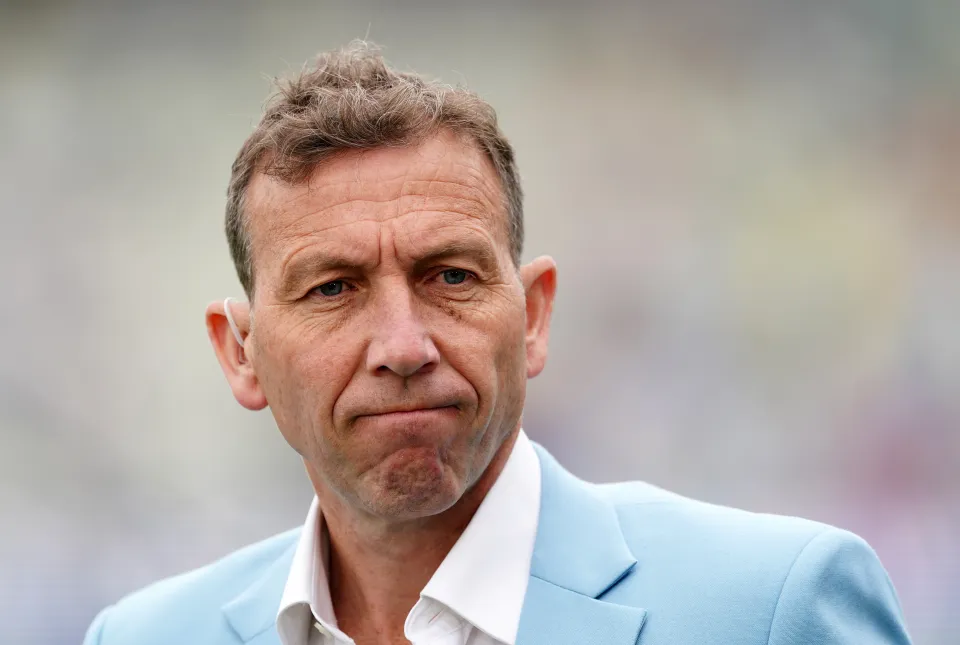
Michael Atherton legacy is built on two closely connected careers. The first was his long professional career as an opening batsman and England captain, while the second has been his continuing contribution to cricket journalism and broadcasting. His Test record remains the clearest numerical representation of his playing achievements, but his continued presence in cricket coverage has expanded his influence well beyond his retirement.
His journey also demonstrates the importance of adaptability in professional sport. Atherton moved from county cricket to international cricket, took on the responsibilities of England captain, and later developed a successful career communicating about the sport. Each stage required different skills, from technical batting and leadership to writing, interviewing, analysis, and television presentation.
Today, Michael Atherton remains a familiar figure in English cricket coverage. His career statistics, Lancashire achievements, England captaincy, memorable innings, and work with Sky Sports and The Times have made him one of the notable English cricket personalities of his generation. His story is not simply about the runs he scored but about how he remained connected to cricket long after his final innings.
