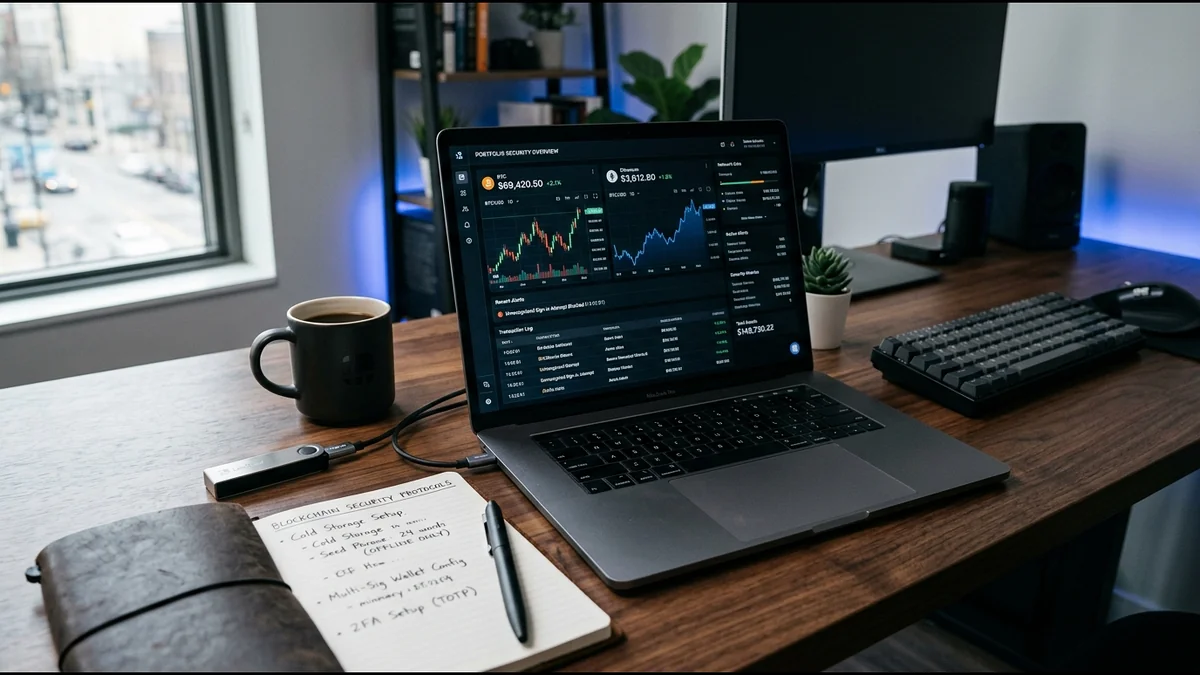
Nasdaq Commodities FintechZoom: A Complete Guide to Commodity Markets, Prices, and Financial Technology
Nasdaq commodities FintechZoom brings together three important topics in modern finance: Nasdaq, commodity market investing, and financial news. People often want to understand how commodity prices work, where to find market updates, how financial technology influences trading, and whether commodities can play a role in an investment portfolio. Understanding these subjects can help readers make better-informed decisions in markets where prices change in response to economic conditions, political events, supply disruptions, and investor expectations.
nasdaq commodities fintechzoom Commodity markets cover essential resources such as crude oil, natural gas, gold, silver, copper, wheat, and corn. These resources influence everything from transportation and manufacturing to food prices and household energy bills. Nasdaq, meanwhile, is best known as a major electronic stock exchange and financial technology provider. FintechZoom is associated with financial news and market-related information that readers may use to follow different asset classes. Although these identies appear together in online searches, they represent different parts of the financial information landscape.
Understanding Nasdaq commodities FintechZoom requires separating the role of a stock exchange from the role of a financial information platform and the operation of commodity markets themselves.
What Does Nasdaq Commodities FintechZoom Mean?
Nasdaq commodities FintechZoom is a search rather than the official term of a single financial market, trading exchange, or investment product. It combines Nasdaq, commodities, and FintechZoom into one query, suggesting that users want information about commodity prices, financial market trends, and online tools for tracking investments. Searchers may be interested in gold prices, crude oil futures, agricultural commodities, market analysis, or the relationship between technology and modern trading.
nasdaq commodities fintechzoom/ operates a well-known stock exchange and provides market data, indexes, exchange technology, and related services. Commodities are physical goods or standardized resources traded in global markets, often through specialized exchanges and derivatives markets. nasdaq commodities fintechzoom is a financial information website associated with market coverage and investment-related topics. These entities should not be treated as interchangeable because they serve different purposes within the broader financial system.
For readers, the practical value of this search lies in understanding where commodity information comes from and how to evaluate it. A financial information may discuss Nasdaq-listed companies that produce oil, mine metals, or develop commodity-related technology without offering direct access to physical commodity trading. Similarly, a website discussing commodity prices does not automatically operate an exchange or provide regulated brokerage services. Recognizing these distinctions is the first step toward conducting reliable financial research.
Understanding Nasdaq and Its Relationship With Commodity Markets
nasdaq commodities fintechzoom is widely recognized for its electronic stock market, where investors trade shares of technology companies, consumer businesses, financial institutions, and organizations across many other industries. It also provides market data, indexes, exchange technology, and financial infrastructure. Because many publicly traded companies depend on commodities, Nasdaq-related stock market activity can offer useful insight into how investors respond to changes in resource prices. For example, rising crude oil prices may benefit certain energy producers while increasing operating expenses for airlines, shipping companies, and manufacturers. The overall effect depends on each company’s business model, costs, and financial position.
An important distinction is necessary when discussing Nasdaq commodities FintechZoom. nasdaq commodities fintechzoom previously operated a European commodities trading and clearing service known as Nasdaq Commodities, which served markets that included Nordic electricity derivatives. nasdaq commodities fintechzoom announced that its commodity exchange and clearing services would cease. Readers should not assume that nasdaq commodities fintechzoom currently offers those discontinued services simply because older informations describe them. Nasdaq’s broader financial technology, equity exchange, index, and market data activities are separate from that particular commodities operation. This distinction helps investors avoid relying on outdated information when researching commodity exchanges and trading opportunities.
What Is FintechZoom and How Does It Cover Commodities?
nasdaq commodities fintechzoom is associated with financial news, market information, and educational content covering different areas of the financial system. Its commodities coverage discusses resources such as gold, silver, crude oil, natural gas, and agricultural products, alongside broader economic developments that can influence prices. Readers searching for nasdaq commodities fintechzoom commodities information may be looking for market updates, price explanations, trading concepts, or information about how commodities respond to inflation, currency movements, and geopolitical developments. Such content can help readers understand market events without requiring them to study advanced financial theory first.
nasdaq commodities fintechzoom, A financial information website should not automatically be treated as an exchange, broker, or official source of every price it displays. Readers need to establish whether information represents a live quote, delayed market data, an indicative price, or an editorial estimate. The exact timestamp and source are especially important when commodity prices are changing quickly. nasdaq commodities fintechzoom can serve as a starting point for understanding market developments, but investors should confirm important information through primary sources, established exchanges, government statistics, and their brokerage platforms before making time-sensitive decisions. This approach also helps separate factual reporting from forecasts, commentary, and promotional claims.
Major Commodity Categories and Their Market Importance
Commodity markets generally include energy products, precious metals, industrial metals, and agricultural goods. Energy commodities include crude oil, refined petroleum products, and natural gas, which are essential to transportation, electricity generation, heating, and manufacturing. Precious metals such as gold and silver attract investors because of their monetary history, industrial uses, and role in portfolio strategies. Industrial metals, including copper, aluminum, and nickel, support construction, electronics, infrastructure, and manufacturing. Each category responds to different market conditions, so investors should avoid assuming that all commodities rise or fall together.
Agricultural commodities such as wheat, corn, soybeans, coffee, and sugar are closely connected to food production, weather, inventories, transportation, and international trade. Poor harvests can tighten supply, while favorable growing conditions may increase production and put downward pressure on prices. Changes in fertilizer costs, fuel expenses, export restrictions, and shipping availability can also influence agricultural markets. Commodity prices therefore matter beyond financial trading because they affect business expenses, consumer prices, food security, and economic growth. Following these markets can help readers understand broader economic trends, particularly when energy or food prices begin to influence inflation.
What Drives Commodity Prices in Global Financial Markets?
Supply and demand are the foundation of commodity pricing. When demand rises faster than available supply, prices often increase, while abundant production combined with weaker consumption can put prices under pressure. However, actual market movements depend on expectations as well as current conditions. Oil traders may respond to anticipated production cuts before those cuts occur, while agricultural markets can react to weather forecasts before harvest results are known. Inventory levels, production capacity, shipping routes, storage costs, and government policies all influence the balance between available resources and expected consumption. These factors explain why commodity prices can change even when the physical supply has not yet changed significantly.
nasdaq commodities fintechzoom, Macroeconomic conditions also influence commodities. Interest rates, inflation expectations, currency movements, and economic growth can affect investor demand and production costs. Many internationally traded commodities are priced in US dollars, meaning dollar strength can make them more expensive for buyers using other currencies. Gold often receives attention when investors are concerned about economic uncertainty, although its price can also decline when real interest rates rise or investors reduce exposure to precious metals. Industrial commodities may respond more strongly to expectations for manufacturing and construction activity. For this reason, nasdaq commodities fintechzoom market analysis considers several economic indicators together rather than attributing every price movement to one headline.
Gold, Silver, Oil, and Natural Gas: What Investors Should Know
Gold is one of the most closely followed commodities in financial news because investors often consider it during periods of uncertainty, inflation concerns, or changes in monetary policy. Its price can respond to central bank purchases, real bond yields, the US dollar, investor sentiment, and demand for physical gold. Silver has both investment and industrial uses, including applications in electronics and solar technology. This combination can make silver sensitive to economic growth as well as precious-metal investment demand. Although gold and silver sometimes move in the same direction, their prices do not always follow identical patterns, and neither metal guarantees protection against losses.
Crude oil and natural gas have different market structures and price drivers. Brent crude is an important international oil benchmark, while West Texas Intermediate, commonly called WTI, is a major US benchmark. Oil prices can respond to production decisions, refinery activity, global transport demand, geopolitical risks, and inventory reports. Natural gas prices are often strongly affected by weather, storage levels, pipeline capacity, liquefied natural gas exports, and regional supply conditions. These differences matter when readers evaluate oil prices, gold market updates, or natural gas analysis. A headline about rising energy prices may describe one region or benchmark rather than the entire global energy market.
How to Read Commodity Prices, Charts, and Market Indicators
Commodity price charts can help readers identify trends, volatility, support and resistance areas, and changes in trading activity. However, a chart is only as useful as the data behind it. Before interpreting a quoted price, readers should identify the commodity, trading venue, currency, unit of measurement, contract month, and timestamp. Gold may be quoted per troy ounce, crude oil per barrel, and agricultural products in units such as bushels or metric tonnes. A futures contract with an approaching expiration date may trade at a different price from a contract expiring several months later. Comparing prices without checking these details can produce misleading conclusions.
nasdaq commodities fintechzoom, Market indicators provide additional context. Inventory reports help explain whether supply is tightening or expanding, while production figures reveal how much of a resource is being extracted or harvested. Futures curves show how prices differ across contract expiration dates and can provide clues about storage costs and market expectations. Trading volume and open interest can help analysts assess participation in derivatives markets, although neither indicator predicts future prices on its own. Readers following commodity market coverage should combine price charts with reliable economic data and relevant news. They should also distinguish observed market facts from technical interpretations, analyst forecasts, and speculative opinions.
Commodity Trading, Futures Contracts, and Investment Risks
Investors can obtain commodity exposure through several different financial products, including physical metals, exchange-traded funds, commodity-related company shares, and futures contracts. Each method has its own costs, risks, and practical requirements. Physical gold or silver involves storage, insurance, dealer premiums, and potential resale costs. Commodity-focused funds may offer easier access through a brokerage account, but their performance depends on the fund’s structure and underlying holdings. Shares of mining or energy companies provide exposure to businesses rather than to the commodity alone, so management decisions, debt, operating expenses, and stock market sentiment can influence returns.
nasdaq commodities fintechzoom, Futures contracts allow participants to agree to buy or sell a specified quantity of a commodity at a future date under standardized contract terms. Producers and commercial buyers may use futures to manage price uncertainty, while speculators seek to profit from price changes. However, futures trading can involve leverage, margin calls, rapid losses, and contract expiration risks. Commodity-linked funds that use futures can also experience returns that differ from changes in spot prices because of contract rolling and the shape of the futures curve. These products are not suitable for every investor. Anyone considering commodity exposure should understand the instrument, its fees, liquidity, tax treatment, and potential downside before committing money.
How Financial Technology Is Changing Commodity Market Research
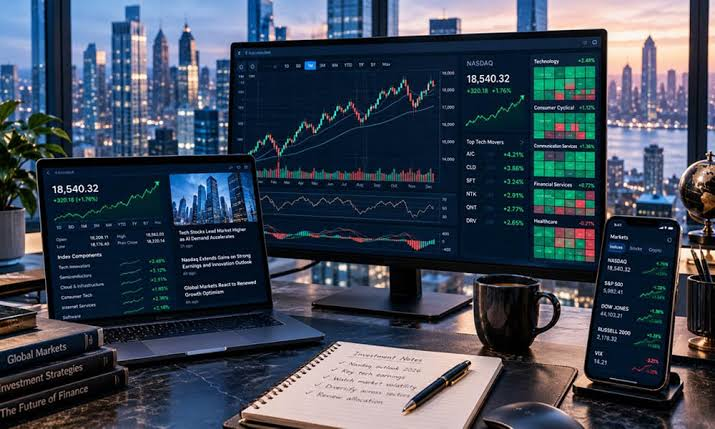
nasdaq commodities fintechzoom, Financial technology has made market information easier to access through online dashboards, mobile applications, digital charts, automated alerts, and data analysis tools. Investors can monitor gold, oil, agricultural products, currency markets, bond yields, and stock indexes without relying entirely on traditional financial terminals. Data visualization can make relationships between different markets easier to recognize, while automated notifications can alert users to price movements or scheduled economic releases. Algorithmic systems are also being used to process market data, summarize reports, and identify patterns. These tools can improve research efficiency, but they do not eliminate uncertainty or guarantee accurate forecasts.
The quality of financial technology depends on data reliability, transparency, and the way information is interpreted. An attractive dashboard may combine prices from different sources with different update schedules, creating the impression that every figure is equally current. Automated summaries may overlook important qualifications, and algorithmic trading strategies can perform poorly when market conditions change. Investors should therefore verify major claims, check whether prices are delayed, and understand the limitations of analytical tools. A sensible research process uses technology to organize information rather than replace independent judgment.
Conclusion: Using Nasdaq Commodities FintechZoom Information Wisely
Nasdaq commodities FintechZoom is a useful search for exploring the connection between commodity markets, financial technology, and market information. Nasdaq provides major financial market infrastructure and technology services, commodities represent essential resources traded through various physical and financial markets, and FintechZoom offers financial news and market-related coverage. Understanding the differences between these roles is important, particularly because Nasdaq’s former European commodity trading and clearing services ceased. Older descriptions of those services should not be mistaken for confirmation that they remain operational.
For readers researching commodity prices, the most reliable approach is to combine accessible financial coverage with verified market data and a clear understanding of risk. Gold, silver, crude oil, natural gas, industrial metals, and agricultural products each respond to different combinations of supply, demand, economic conditions, and investor expectations. Learning how futures contracts, market indicators, and digital research tools work can make financial information easier to interpret. Ultimately, informed commodity investing requires patience, careful verification, realistic expectations, and an understanding that no website, chart, or prediction can guarantee a profitable outcome.