


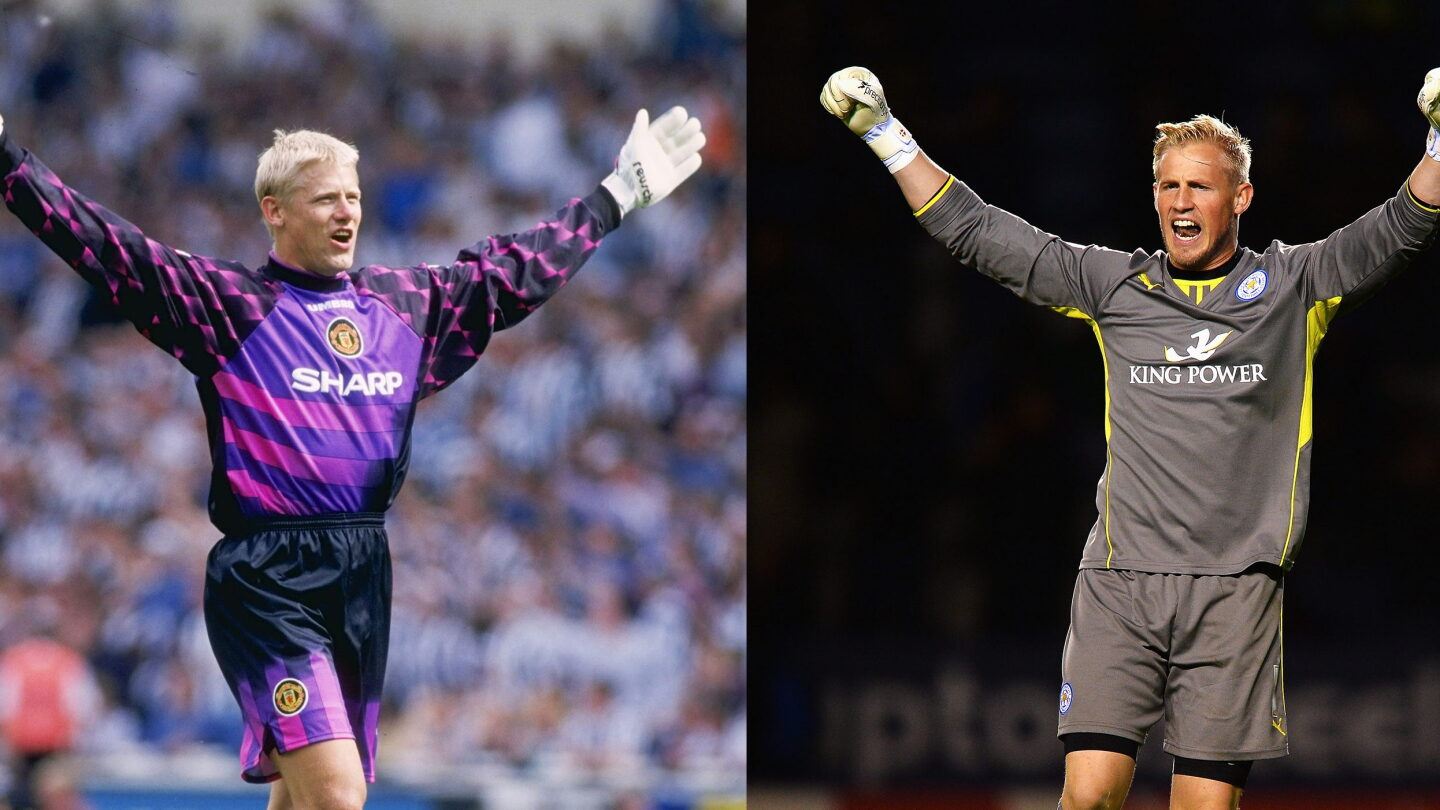
Peter Schmeichel is widely regarded as one of the greatest goalkeepers in football history. The Danish goalkeeper became an international star through his performances for Manchester United, where he played a major role in one of the club’s most successful periods. His imposing physical presence, strong command of the penalty area and exceptional reflexes made him a difficult opponent for attackers, while his leadership qualities made him one of the most influential goalkeepers of his generation.
peter schmeichel career was not limited to Manchester United. He represented Denmark for many years, helped his country win the 1992 European Championship and also played for clubs including Brøndby, Sporting CP, Aston Villa and Manchester City. His achievements across club and international football have established him as an important figure in the history of the goalkeeper position.
Who Is Peter Schmeichel?
Peter Bolesław Schmeichel was born on November 18, 1963, in Gladsaxe, Denmark. He grew up in Denmark and developed his football career through local clubs before eventually becoming one of Europe’s leading goalkeepers. His height, strength and confidence quickly became important characteristics of his playing style.
Schmeichel began his professional career with Gladsaxe-Hero before moving to Hvidovre and later Brøndby. It was at Brøndby that his reputation began to grow significantly. His performances in Denmark and European competition attracted attention from clubs outside the country, eventually leading to his transfer to Manchester United in 1991. His arrival at Old Trafford would transform his career and make him a household name across Europe.
Peter Schmeichel’s Early Football Career
Before joining Manchester United, Schmeichel developed through Danish football and gained valuable experience at Brøndby. He helped Brøndby win domestic honours and also performed strongly in European competition. His progress demonstrated that he was capable of competing at a higher level, despite initially coming from a football environment that received less international attention than the major European leagues.
Schmeichel’s style was already distinctive during this period. He was not a goalkeeper who simply stayed on his line and waited for shots. He communicated constantly with defenders, came off his line aggressively and used his size to make himself difficult to beat. These qualities would later become central to Manchester United’s defensive structure.
Peter Schmeichel at Manchester United
Sir Alex Ferguson signed Peter Schmeichel for Manchester United in 1991 for a relatively modest transfer fee by the standards of the modern game. The decision proved enormously successful. Schmeichel immediately became an important part of the team and helped United win the English top-flight title in the 1992–93 season, their first league championship since 1967.
Over the following years, Schmeichel became one of the defining players of Ferguson’s Manchester United side. He won multiple Premier League titles, FA Cups and League Cups while developing a reputation as one of the world’s best goalkeepers. His ability to organise the defence was especially valuable because Manchester United often played attacking football, leaving Schmeichel responsible for dealing with counterattacks and dangerous situations.
The 1999 Champions League Final
The defining moment of Schmeichel’s Manchester United career came during the 1998–99 season. United won the Premier League, FA Cup and UEFA Champions League, completing an extraordinary treble. Schmeichel was the club captain for the Champions League final against Bayern Munich because regular captain Roy Keane was suspended.
The final became one of the most famous matches in European football history. Bayern Munich led for most of the match before Manchester United scored twice in stoppage time to win 2–1. Schmeichel had already made important saves during the game and celebrated wildly after the final whistle. The victory completed his time at Manchester United with one of the most prestigious achievements possible in club football.
Peter Schmeichel and Denmark
Schmeichel was equally important to Denmark’s national team. He earned more than 100 international caps and represented Denmark at several major tournaments. His greatest international achievement came at Euro 1992, when Denmark famously won the European Championship.
Denmark had not originally qualified for the tournament through the normal process but were invited after Yugoslavia was excluded. Despite entering the competition unexpectedly, Denmark progressed through the tournament and defeated Germany 2–0 in the final. Schmeichel played a crucial role throughout the competition, including saving a penalty from Marco van Basten in the semi-final against the Netherlands. That save became one of the defining moments of his international career.
Peter Schmeichel’s Goalkeeping Style
One reason Schmeichel became so influential was his distinctive goalkeeping technique. He was extremely strong in one-on-one situations and became famous for the “star jump,” a technique in which he spread his arms and legs to cover as much of the goal as possible when confronting an attacker.
His distribution was also unusually advanced for his era. Schmeichel could launch accurate long throws and kicks that quickly turned defensive situations into attacking opportunities. This meant he was not merely the final line of defence; he could also contribute directly to his team’s transition from defence to attack.
His leadership was perhaps just as important as his technical ability. Schmeichel regularly shouted instructions to defenders and demanded concentration from the players around him. Goalkeepers today are often expected to act as an additional defender and organiser, and Schmeichel was an early example of that more complete role.
Life After Manchester United
Schmeichel left Manchester United in 1999 after winning the Champions League and joined Sporting CP in Portugal. His decision was partly influenced by his desire for a new challenge after spending eight highly successful years at Old Trafford. At Sporting, he won the Portuguese league title during the 1999–2000 season.
He later returned to the Premier League with Aston Villa and then played for Manchester City. Although these later spells were shorter than his Manchester United career, they allowed him to finish his playing career in England. He officially retired from professional football in 2003, ending a career that had lasted more than two decades.
Peter Schmeichel’s Family and Kasper Schmeichel
Peter Schmeichel is also known for being the father of Kasper Schmeichel, who followed him into professional football and became an accomplished goalkeeper in his own right. Kasper developed through Manchester City’s academy before establishing himself with clubs including Leicester City and the Denmark national team.
The father-and-son connection became particularly notable when Kasper helped Leicester City win the Premier League in 2016. Peter had already won the competition multiple times with Manchester United, meaning the Schmeichel family became one of the rare examples of a father and son both winning major honours as professional goalkeepers. Kasper also became Denmark’s first-choice goalkeeper, continuing the family’s international football legacy.
Peter Schmeichel’s Awards and Achievements
Schmeichel’s honours include multiple English league titles with Manchester United, several FA Cups, League Cups and the UEFA Champions League. His international career brought the greatest trophy in Danish football history through the 1992 European Championship. He was also recognised individually throughout his career and was regularly included among the world’s best goalkeepers.
His influence was recognised formally when he was inducted into the English Football Hall of Fame. He has also been included in numerous historical selections of outstanding goalkeepers. These honours reflect not simply the number of trophies he won but the influence he had on the development and perception of goalkeeping.
Peter Schmeichel’s Legacy in Football
Peter Schmeichel’s legacy extends beyond his medal collection. He helped change expectations of what a modern goalkeeper could contribute. His commanding presence, communication, distribution and willingness to leave his goal made him a more complete footballer than the traditional goalkeeper stereotype.
His influence can also be seen through his son Kasper and the wider generation of goalkeepers who followed. Schmeichel demonstrated that a goalkeeper could be a leader and an active participant in a team’s tactics rather than simply a player responsible for stopping shots. His Manchester United career remains one of the strongest examples of how important a world-class goalkeeper can be to a successful team.
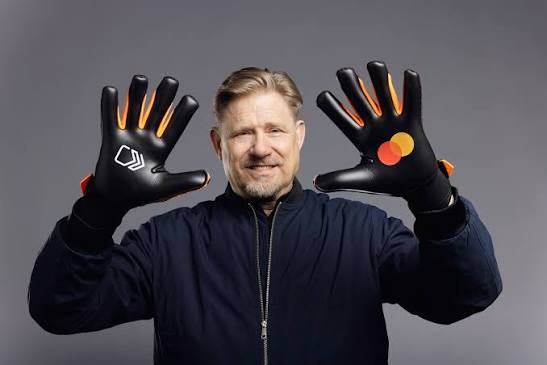
Conclusion: Why Peter Schmeichel Remains a Goalkeeping Legend
Peter Schmeichel career combined club success, international glory and individual excellence. He became a Manchester United legend after helping the club win five Premier League titles and the historic 1999 treble. His performances for Denmark were equally memorable, particularly during the country’s unexpected European Championship triumph in 1992.
His career at Brøndby, Manchester United, Sporting CP, Aston Villa and Manchester City showed remarkable longevity, while his leadership and goalkeeping style helped establish him as one of football’s greats. His son Kasper later created his own successful career, adding another chapter to the Schmeichel family’s football story.
For many supporters, however, Peter Schmeichel will always be remembered most vividly in a Manchester United shirt. His commanding personality, extraordinary saves and ability to inspire confidence in his defenders made him much more than a goalkeeper. He was a leader at the heart of some of the most successful teams of his era, and his name remains firmly established among the greatest goalkeepers in football history.
