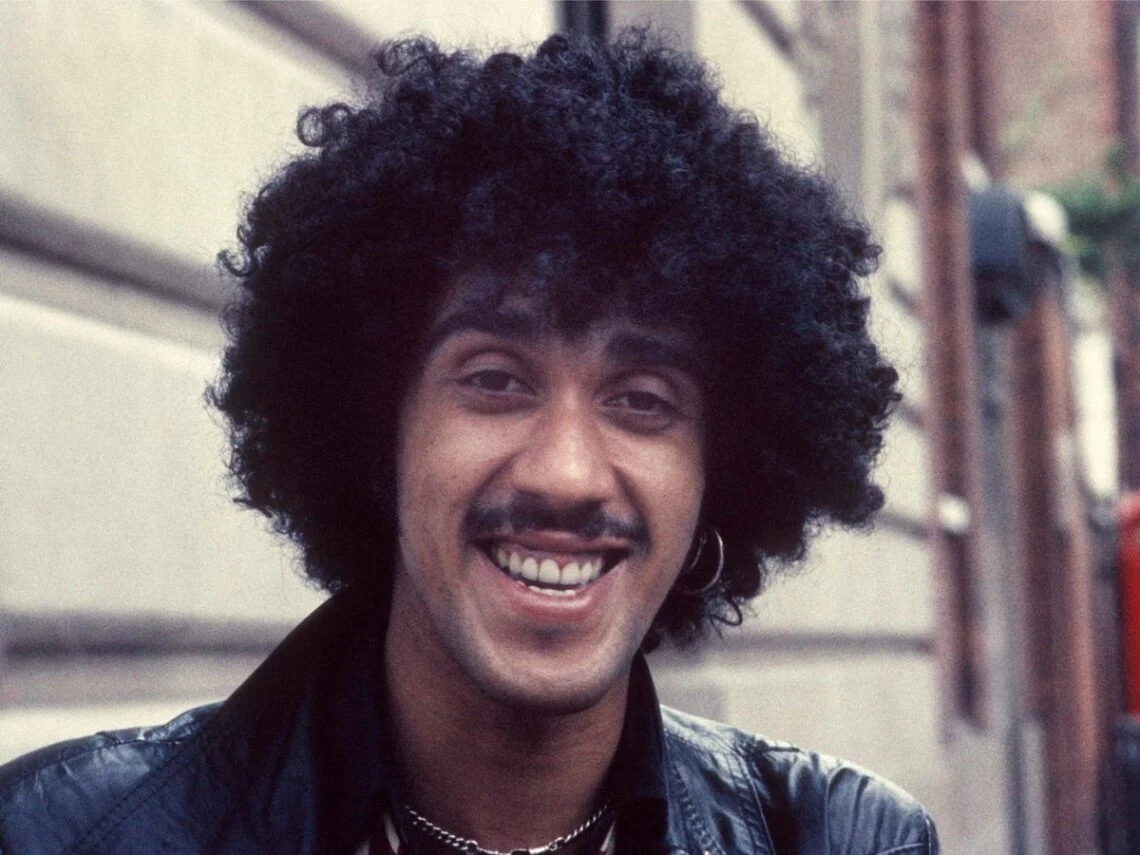
Phil Lynott: The Life, Music, Family, and Lasting Legacy of the Thin Lizzy Legend
Phil Lynott was one of the most influential figures in Irish rock music, remembered for his distinctive voice, poetic songwriting, charismatic stage presence, and leadership of the legendary rock band Thin Lizzy. As a singer, bassist, and songwriter, he helped create some of the most memorable rock songs of the 1970s and early 1980s. His music combined powerful guitar arrangements with emotional storytelling, making him a respected figure in the international music industry.
Born in England and raised in Ireland, phil lynott developed a musical identity that reflected his personal experiences, cultural background, and love of literature. His journey from a young musician in Dublin to an internationally recognised rock star remains an inspiring story of creativity and determination. Although his life ended tragically at just 36, his influence continues through Thin Lizzy’s recordings, his solo projects, and the generations of musicians who admire his work.
Phil Lynott’s Early Life and Family Backgroun
Philip Parris Lynott was born on August 20, 1949, in West Bromwich, Staffordshire, England. His mother, Philomena Lynott, was Irish, while his father, Cecil Parris, came from British Guiana, now known as Guyana. His parents were not married, and Lynott spent his early childhood in England before moving to Dublin, where he was raised primarily by his maternal grandparents, Frank and Sarah Lynott. Growing up in Ireland during the 1950s presented particular challenges because of his mixed-race background. Nevertheless, his family provided an important foundation for his developing personality and artistic interests.
Dublin played a central role in shaping Lynott’s identity. He attended Christian Brothers School in Crumlin and became interested in music during his teenage years. American rock and roll, rhythm and blues, and British popular music attracted his attention, encouraging him to explore performing. He also developed an appreciation for poetry, storytelling, and Irish cultural traditions. These influences later became essential elements of his songwriting. His mother remained an important person throughout his life and subsequently became closely associated with preserving his musical legacy.
How Phil Lynott Started His Musical Career
Phil Lynott began his musical journey during the 1960s when Dublin’s growing rock scene offered opportunities for young performers. One of his earliest significant experiences came with Skid Row, an Irish blues-rock group that also featured guitarist Gary Moore. Lynott initially performed as a vocalist, developing the confidence and stage presence that would eventually become trademarks of his career. Although his time with the band was relatively brief, it introduced him to professional musicians and helped him understand the demands of performing before live audiences.
After leaving Skid Row, Lynott joined forces with drummer Brian Downey, a musician he had known since his teenage years. Their musical partnership became one of the most important relationships in Irish rock history. In 1969, they formed Thin Lizzy alongside guitarist Eric Bell and keyboardist Eric Wrixon. Lynott gradually established himself as the band’s lead singer, bassist, principal songwriter, and creative leader. His ability to combine meaningful lyrics with memorable melodies helped distinguish the group from other emerging rock acts. What began as a small Dublin band eventually developed into an internationally successful musical project.
Thin Lizzy and Phil Lynott’s Rise to International Fame
Thin Lizzy released its self-titled debut album in 1971, introducing listeners to a developing sound influenced by blues, folk, and hard rock. The group’s early recordings demonstrated Lynott’s sonwritig potential, although major commercial success initially remained limited. Their breakthrough arrived in 1972 with a rock arrangement of the traditional Irish song Whiskey in the Jar. Released as a single, it became a major hit in Ireland and Britain, bringing the band widespread recognition. The recording demonstrated Lynott’s ability to connect Irish musical heritage with contemporary rock arrangement
The band’s international reputation expanded significantly during the middle of the decade. Following changes in its lineup, Thin Lizzy develoed its celebrated twin-lead-guitar sound, particularly through the partnership of Scott Gorham and Brian Robertson. The 1976 album Jailbreak became a defining moment in the group’s career, featuring the enduring classics The Boys Are Back in Town and Jailbreak. Lynott’s powerful vocals, storytelling abilities, and energetic performances helped transform Thin Lizzy into a major rock attraction. Subsequent albums, including Johnny the Fox, Bad Reputation, Black Rose: A Rock Legend, and Thunder and Lightning, strengthened the band’s reputation and demonstrated its musical versatility.
Phil Lynott’s Most Famous Songs and Musical Style
Phil Lynott’s songwriting remains one of the strongest reasons for his lasting popularity. His lyrics frequently explored friendship, romance, loneliness, working-class experiences, and the emotional difficulties of everyday life. Unlike performers who concentrated exclusively on conventional rock themes, Lynott approached songwriting with the imagination of a storyteller. The Boys Are Back in Town became Thin Lizzy’s signature anthem, while Dancing in the Moonlight (It’s Caught Me in Its Spotlight) revealed his ability to create a warm, melodic atmosphere. Other celebrated recordings include Waiting for an Alibi, Cowboy Song, and Still in Love with You.
His musical identity also reflected a wide range of influences. Traditional Irish melodies, American soul, blues, folk music, and hard rock all contributed to his distinctive approach. As a bassist, Lynott provided rhythmic support while delivering expressive lead vocals, an arrangement that required considerable musical control during live performances. His poetic interests were equally important. Songs such as Emerald and Róisín Dubh (Black Rose): A Rock Legend explored Irish history, mythology, and cultural identity through rock music. This combination of powerful instrumentation and thoughtful storytelling helped establish Thin Lizzy as an influential band whose recordings remain relevant decades after their original release.
Phil Lynott’s Wife, Children, and Personal Life
Phil Lynott married Caroline Crowther on February 14, 1980. Caroline was the daughter of British television personality Lslie Crowther, and their relationship attracted considerable public attention because of Lynott’s growing fame. The couple had two daughters, Sarah and Cathleen. Lynott also had a son, Macdaragh Lambe, born in 1968, who was placed for adoption. Fatherhood influenced his creative work, particularly through the song Sarah, which appeared on Thin Lizzy’s 1979 album Black Rose: A Rock Legend. His later solo recording Cathleen also reflected the emotional importance of his family.
Despite his professional achievements, Lynott experienced difficulties balancing family responsibilities with the pressures of international fame. Extensive touring, demanding recording schedules, and substance-related problems affected his marriage and personal relationships. He and Caroline eventually separated. His mother, Philomena, remained deeply involved in his life and later became one of the most recognisable voices associated with his memory. She published the memoir My Boy, sharing personal reflections on her son’s childhood, musical achievements, and struggles. Her dedication helped audiences understand Lynott beyond his public image as a confident and charismatic rock performer.
Phil Lynott’s Solo Career and Other Musical Projects
Although Thin Lizzy remained Phil Lynott’s principal musical achievement, he also pursued independent projects that allowed him to explore different creative directions. His first solo album, Solo in Soho, appeared in 1980 and included contributions from several respected musicians. The record featured a mixture of rock, pop, and experimental arrangements, revealing aspects of his musical personality that extended beyond Thin Lizzy’s established sound. Songs such as Dear Miss Lonely Hearts and King’s Call demonstrated his continuing interest in emotional storytelling. The latter was written as a tribute to Elvis Presley, whose music had influenced Lynott during his younger years.
His second solo album, The Philip Lynott Album, followed in 1982 and continued his exploration of different musical styles. Lynott also collaborated with Gary Moore, most notably on Parisienne Walkways, released in 1979, and the successful 1985 single Out in the Fields. After Thin Lizzy disbanded in 1983, he formed Grand Slam, a group that included guitarist Laurence Archer and keyboardist Mark Stanway. Although Grand Slam did not achieve the commercial success of Thin Lizzy, its recordings demonstrated Lynott’s determination to continue creating music. His final solo single, Nineteen, appeared in 1985, shortly before his death.
Phil Lynott’s Health Problems and Tragic Death
The later years of Phil Lynott’s life were marked by serious personal and health difficulties. Years of substance misuse, including heroin addiction, contributed to a decline in his physical condition and affected his professional relationships. The demanding lifestyle associated with touring and recording further complicated his circumstances. Following Thin Lizzy’s farewell tour in 1983, Lynott continued pursuing new musical opportunities, but his health problems became increasingly severe. His difficulties were widely recognised by people close to him, although the full extent of his declining condition became especially apparent during the final months of his life.
During Christmas 1985, Lynott became critically ill and was hospitalised. He subsequently received treatment at Salisbury District Hospital in Wiltshire, England. Despite medical efforts, his condition deteriorated, and he died on January 4, 1986, aged 36. His death was associated with complications arising from septicaemia, pneumonia, and heart failure following prolonged substance misuse. The news devastated fans, friends, and fellow musicians throughout Ireland and beyond. His funeral attracted considerable public attention, reflecting the affection people felt for him. Lynott was buried at St Fintan’s Cemetery in Sutton, Dublin, where his grave continues to serve as a place of remembrance for admirers of his music.
Phil Lynott’s Influence on Roc Music and Irish Culture
Phil Lynott occupies a distinctive position in rock history because of his contributions as a songwriter, performer,and cultural figure. His work with Thin Lizzy helped popularise harmonised twin-guitar arrangements that subsequently influenced numerous hard rock and heavy metal musicians. Bands such as Metallica and Iron Maiden have acknowledged Thin Lizzy’s musical importance, while later generations continue discovering the group’s catalogue. Metallica’s recording of Whiskey in the Jar introduced another audience to the rock arrangement associated with Thin Lizzy. Lynott’s combination of poetic lyrics, memorable melodies, and confident stage performances helped establish a musical identity that remains instantly recognisable.
His cultural importance extends beyond commercial success. As a prominent mixed-race musician raised in Ireland, Lynott became an unusual and highly visible figure within the country’s entertainment industry during his era. His affection for Dublin, Irish history, and traditional storytelling appeared repeatedly throughout his music. In 2005, a bronze statue created by sculptor Paul Daly was unveiled on Harry Street in Dublin, celebrating his contribution to Irish culture. The statue became a popular landmark for music enthusiasts and visitors. His mother, Philomena Lnott, who died in 2019, also played a significant role in keeping his memory alive through interviews, public appearances, and her continued support for celebrations of his achievements.
Phil Lynott’s Lasting Legacy and Continued Popularity
More than four decades after Thin Lizzy’s commercial breakthrough, Phil Lynott remains an important identity in classic rock. His recordings continue attracting listeners through streaming platforms, radio broadcasts, tribute performances, and anniversary releases. Songs such as The Boys Are Back in Town, Whiskey in the Jar, and Dancing in the Moonlight have maintained their popularity because of their memorable arrangements and relatable themes. Thin Lizzy’s catalogue also demonstrates the artistic development of a musician who continually experimented with different sounds while preserving his distinctive songwriting voice. His work remains valuable to listeners interested in the development of Irish rock and international hard roc
Lynott’s influence is also preserved through documentaries, biographies, exhibitions, and commemorative events. The 2020 documentary Phil Lynott: Songs for While I’m Away explored his life through archival material and interviews with people who knew him. His poetry collections, including Songs for While I’m Away and Philip, offer another perspective on his creative abilities. Annual gatherings and tribute concerts continue celebrating his birthday and musical achievements, particularly in Ireland. For many admirers, his significance comes from more than his success as a rock musician. His ability to communicate personal emotions, celebrate cultural identity, and connect with audiences through storytelling remains central to his enduring appeal.
Conclusion
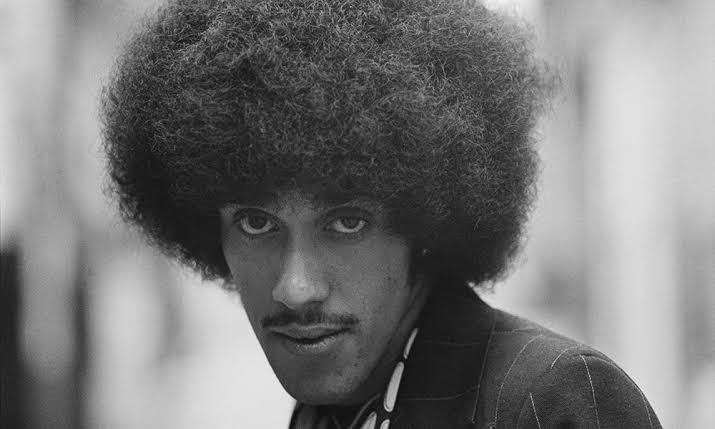
Phil Lynott‘s life represents an extraordinary chapter in the history of Irish and international rock music. From his childhood in Dublin to his rise as the charismatic leader of Thin Lizzy, he demonstrated remarkable creativity, musical talent, and determination. His distinctive voice, poetic songwriting, and memorable performances helped produce recordings that remain influential across generations. Although his personal struggles and premature death brought a tragic end to his career, they have never overshadowed the importance of his artistic achievements.
Today, Phil Lynott is remembered as a pioneering Irish musician, devoted storyteller, influential bassist, and unforgettable rock frontman. His music continues reaching new audiences, while his contribution to Irish culture remains widely celebrated. Through Thin Lizzy’s classic albums, his solo recordings, and the musicians inspired by his work, his legacy continues to occupy a meaningful place in rock history.