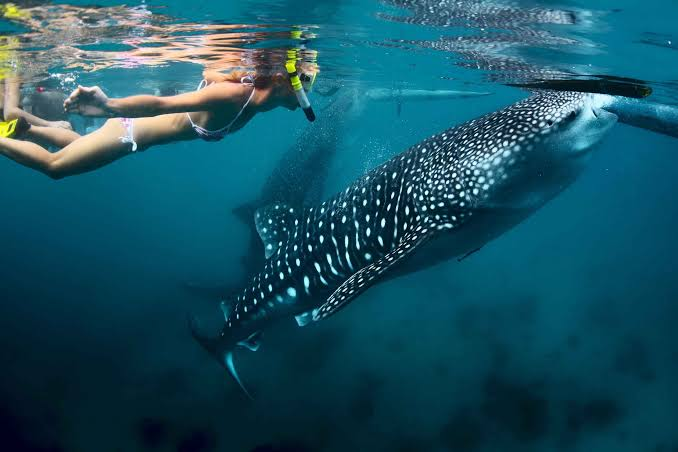
Swimming With Whale Sharks: Best Destinations, Safety Tips, and What to Expect
Swimming with whale sharks is an unforgettable wildlife experience that allows people to share the ocean with the world’s largest fish. Despite their enormous size, whale sharks are gentle filter feeders that mainly consume plankton, fish eggs, and other tiny marine organisms. Seeing one glide through clear blue water can be an extraordinary moment for snorkelers, divers, and nature lovers. For many travellers, this adventure offers a rare opportunity to observe marine life in its natural environment while learning about ocean conservation.
swimming with whale sharks encounters take place in several parts of the world, including the Philippines, Mexico, Australia, the Maldives, and parts of East Africa. Each destination offers a different experience depending on the season, water conditions, local wildlife regulations, and the way tours are managed. Some locations are known for seasonal gatherings, while others offer opportunities to encounter whale sharks during particular months of the year. Choosing the right destination involves considering more than the chance of seeing a shark.
Responsible swimming with whale sharks also requires preparation and respect for marine wildlife. Although these animals are not known to hunt humans, their large bodies can cause accidental injuries if swimmers get too close. Following local rules, choosing responsible tour operators, and understanding whale shark behaviour can make the experience safer and more rewarding. With the right preparation, travellers can enjoy this remarkable encounter while helping protect the animals and their marine habitats.
What Is Swimming With Whale Sharks Like?
Swimming with whale sharks involves entering the water near these enormous marine animals and observing them as they move through their natural environment. Most encounters take place while snorkelling, although some destinations allow scuba diving under specific conditions. Whale sharks usually move steadily through the water, filtering tiny food particles as they swim. Their broad heads, spotted bodies, and enormous tails make them easy to recognise, even from a distance.
swimming with whale sharks experience can feel surprisingly peaceful. Rather than approaching swimmers aggressively, whale sharks generally continue their normal movements while searching for food. Visitors may see the animals feeding near the surface, travelling through open water, or moving slowly around areas where plankton is abundant. Their behaviour varies according to feeding conditions, water temperature, currents, and the presence of other marine life. Some encounters last only a short time, while others provide a longer opportunity to observe the animal from a respectful distance.
It is important to understand that swimming with whale sharks is a wildlife encounter, not a guaranteed performance. These animals move freely, and their appearance cannot always be predicted. Weather, sea conditions, and natural feeding patterns may affect whether a tour encounters a whale shark on a particular day. Travellers should approach the experience with patience and realistic expectations rather than expecting every trip to produce a close encounter.
Understanding Whale Sharks and Their Behaviour
Whale sharks are scientifically known as Rhincodon typus. Despite their identity, they are fish rather than whales or mammals. They breathe through gills, have skeletons made primarily of cartilage, and spend their lives in the ocean. Adult whale sharks can grow to around 12 metres or more, although their size varies considerably. Their distinctive white spots and pale markings help identify them, while their wide mouths allow them to filter large amounts of water for food.
These sharks are filter feeders that consume plankton, small crustaceans, fish eggs, and other tiny organisms suspended in the water. They often visit areas where seasonal food concentrations make feeding more efficient. Some populations undertake long migrations, travelling between feeding grounds as environmental conditions change. Scientists continue to study their movements because understanding migration patterns is important for protecting the species across international waters.
Although swimming with whale sharks are generally considered harmless to humans, they are still large wild animals that deserve considerable space. A swimmer can be injured by an accidental tail movement or collision, particularly in crowded water. Touching or chasing a whale shark can also disturb its natural behaviour and potentially damage its sensitive skin. The best encounters happen when swimmers remain calm, observe quietly, and allow the animal to decide how close it comes.
Best Destinations for Swimming With Whale Sharks
The Philippines is one of the best-known destinations for swimming with whale sharks encounters. Areas such as Donsol have developed reputations for seasonal wildlife viewing, while other locations offer different types of encounters. Conditions vary by region, and travellers should research local regulations carefully. In particular, whale shark tourism practices can differ significantly between locations, so choosing a responsible operator is essential for an ethical experience.
Mexico is another popular destination, especially around the Yucatán Peninsula, including areas near Isla Mujeres and the wider Cancún region. Seasonal gatherings can attract whale sharks when plankton and fish eggs are plentiful. Visitors often travel by boat before entering the water with a guide. The exact season and permitted activities depend on local regulations, weather conditions, and wildlife patterns, so it is wise to confirm current arrangements before booking.
Western Australia is famous for whale shark encounters around Ningaloo Reef, where seasonal visits attract snorkellers from around the world. Other destinations include the Maldives, where encounters may occur throughout the year in certain regions, and parts of East Africa, including areas around Mafia Island in Tanzania. Each location offers different marine environments and tourism practices. Before choosing a trip, travellers should consider conservation standards, group sizes, swimming requirements, and whether the operator follows local wildlife protection rules.
When Is the Best Time to Swim With Whale Sharks?
The best time to swimming with whale sharks depends on the destination. These animals do not follow one global migration calendar, and their movements are influenced by food availability, water temperature, currents, and seasonal ocean conditions. A destination may offer frequent encounters during certain months but very few at other times. Researching the seasonal pattern for a particular location is therefore one of the most important parts of planning a whale shark trip.
In Mexico’s Yucatán Peninsula, swimming with whale sharks encounters are generally seasonal, with the main viewing period often falling during the warmer months. Ningaloo Reef in Western Australia is known for seasonal whale shark visits, particularly during the Australian autumn and winter period. Donsol in the Philippines also has a recognised whale shark season, although actual sightings vary from year to year. These broad patterns are useful planning guides, but they should not be treated as guarantees.
Before booking, check the expected season with local operators and conservation authorities. Ask whether the trip takes place during a recognised whale shark viewing period, how sightings are monitored, and what happens if conditions are unsuitable. It is also worth checking water temperature, visibility, rainfall, wind, and sea conditions because these factors influence comfort and the overall quality of the experience. A flexible itinerary can help travellers enjoy the destination even when whale sharks are not encountered.
Safety Tips for Swimming With Whale Sharks
swimming with whale sharks Safety begins with selecting a reputable tour operator that employs trained guides, provides suitable equipment, and follows local wildlife regulations. Before entering the water, listen carefully to the briefing and make sure you understand the permitted swimming distance, entry procedures, and instructions for leaving the water. A responsible guide should explain how to approach the encounter without chasing the animal or blocking its natural path.
Swimmers should avoid touching, grabbing, riding, or attempting to feed whale sharks. Keeping a respectful distance reduces the risk of accidental contact and helps prevent stress to the animal. Never swim directly in front of a moving whale shark or position yourself near its tail. The animal may change direction without warning, and its size means that even a gentle movement can create a powerful current or accidental impact. If the shark changes direction or moves away, give it space rather than pursuing it.
Travellers should also consider their own swimming ability and health before participating. Snorkelling in open water can involve currents, waves, boat traffic, and changing visibility. Wear properly fitted equipment, use a suitable flotation aid if needed, and remain close enough to your guide to receive instructions. Anyone who feels tired, anxious, seasick, or uncomfortable should tell the crew and return to the boat when appropriate. Following safety guidance helps make the encounter more enjoyable for everyone involved.
What to Bring on a Whale Shark Swimming Tour
Preparing the right equipment can make a swimming with whale sharks excursion more comfortable. Most tour operators provide basic snorkelling equipment, but travellers should confirm what is included before departure. A well-fitting mask, snorkel, and fins can make it easier to move through the water without excessive effort. If you use prescription eyewear, ask whether prescription masks are available or whether another suitable option can be arranged.
Sun protection is especially important during boat trips and long periods on the water. A rash guard or other suitable protective clothing can help reduce sun exposure, while reef-safe sunscreen may be appropriate where permitted by local guidance. Bring drinking water, a towel, and dry clothing for after the excursion. If you are prone to motion sickness, consider discussing suitable prevention options with a healthcare professional before travelling and follow the boat operator’s instructions.
swimming with whale sharks, An underwater camera can help preserve memories of the experience, but photography should never take priority over wildlife safety. Avoid using a flash if local guidance discourages it, and do not move closer to an animal just to capture a better image. A camera on a wrist strap or another secure attachment may help prevent accidental loss. Keep personal belongings organised, listen to the crew, and bring only what you need for a safe and comfortable trip.
Responsible Whale Shark Tourism and Conservation
swimming with whale sharksface several threats, including accidental capture in fishing gear, vessel strikes, habitat changes, pollution, and the effects of climate change on marine ecosystems. Their slow growth and reproductive biology can make populations vulnerable to pressure. Scientists are still learning about important aspects of their reproduction and migration, which makes long-term monitoring and international conservation efforts particularly valuable.
Responsible swimming with whale sharks tourism can help increase public awareness and support conservation when it is managed properly. Visitors may learn about marine research, local ecosystems, and the importance of protecting feeding grounds. Tourism can also provide income for coastal communities, giving residents an economic reason to protect marine wildlife. However, these benefits depend on how tours are organised and whether operators place animal welfare ahead of the number of encounters they provide.
Travellers can support conservation by choosing operators that follow local wildlife regulations, limit crowding, prohibit touching and feeding, and provide clear guidance on responsible behaviour. Avoid tours that encourage chasing animals, blocking their movement, or attracting them through inappropriate feeding practices. It is also worth asking how operators contribute to local conservation and whether they cooperate with recognised research or management programmes. Small decisions made by visitors can help encourage better standards throughout the wildlife tourism industry.
How Much Does Swimming With Whale Sharks Cost?
The cost of swimming with whale sharks varies according to the destination, tour length, group size, transport arrangements, and equipment provided. A basic group excursion may cost considerably less than a private boat trip or a specialised photography experience. Travellers may also need to budget for accommodation, flights, meals, park fees, marine conservation charges, and local transport. As a result, the total cost of a whale shark holiday can be significantly higher than the advertised price of the swimming tour itself.
When comparing tour options, look beyond the headline price. Check whether the package includes snorkelling equipment, meals, transfers, permits, and professional guides. Find out how many people will be on the boat and how the operator manages time in the water. A lower-priced tour may offer good value, but it should not come at the expense of safety, responsible wildlife practices, or appropriate equipment. Clear booking conditions and transparent fees are useful signs of a well-organised business.
It is also important to understand the cancellation policy. Weather conditions, strong currents, or local conservation restrictions can prevent trips from operating safely. Some operators offer rescheduling, while others have different refund terms. Read the conditions carefully and avoid assuming that a whale shark sighting is guaranteed. Planning a trip with some flexibility allows you to enjoy the wider destination even if the encounter does not happen as expected.

Conclusion: Is Swimming With Whale Sharks Worth It?
Swimming with whale sharks can be a remarkable experience for anyone who enjoys marine wildlife and responsible adventure travel. Sharing the water with such a large fish offers a rare opportunity to observe its natural behaviour and appreciate the complexity of ocean ecosystems. Destinations such as the Philippines, Mexico, and Western Australia provide well-known opportunities for encounters, while other locations may offer seasonal or region-specific experiences.
The key to a successful whale shark trip is preparation. Choose the destination according to its seasonal viewing conditions, research the operator, understand the safety rules, and bring suitable equipment. Most importantly, remember that whale sharks are wild animals rather than attractions that can be guaranteed on demand. A responsible tour allows them to move freely without unnecessary interference.