Dupuytren Problems: Symptoms, Causes, Diagnosis, Treatment, and How to Manage the Conditionloguytren problems
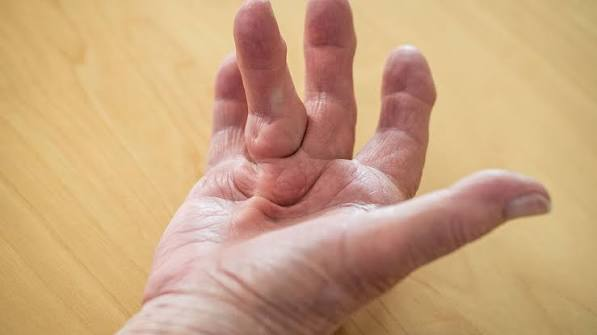
Dupuytren problems are associated with a hand condition known as Dupuytren’s contracture. This condition affects the tissue beneath the skin of the palm and can cause small lumps, thickened areas, and tight bands that gradually pull one or more fingers towards the palm. It usually develops slowly and may affect one or both hands. Although some people experience only minor changes, others develop difficulty straightening their fingers and completing everyday activities.
dupuytren problems Many people first notice a small, firm lump in their palm without experiencing significant pain. Over time, the affected tissue may become thicker and form a cord that pulls the fingers downwards. This can make simple activities such as wearing gloves, holding objects, shaking hands, typing, and placing the hand flat on a table more challenging. The ring finger and little finger are most commonly affected, although other fingers can also develop problems.
What Are Dupuytren Problems?
Dupuytren problems generally refer to the symptoms and complications associated with Dupuytren’s disease, also called Dupuytren’s contracture. It is a condition involving the palmar fascia, a layer of connective tissue located beneath the skin of the palm. This tissue normally supports the structures of the hand. When dupuytren problems develops, the fascia gradually becomes thicker and less flexible, sometimes forming firm lumps and cord-like bands.
As the condition progresses, these bands can shorten and pull the affected fingers towards the palm. This bending is known as a contracture. It may begin with a small area of thickened skin or a painless lump before developing into a more noticeable restriction of movement. Not everyone experiences the same progression. Some people have small lumps that remain unchanged for years, while others develop finger contractures that interfere with daily activities.
dupuytren problems is not cancer, an infection, or a condition that spreads to internal organs. It is a local problem affecting the connective tissue of the hand. Although there is currently no permanent cure, several medical procedures can improve finger position and make hand movement easier. The most appropriate approach depends on how advanced the condition is and how much it affects everyday life.
Common Symptoms and Early Warning Signs
One of the earliest signs of dupuytren problems is a small, firm lump beneath the skin of the palm. These lumps are called nodules and often appear near the base of the ring finger or little finger. Initially, they may feel like small hard spots that become more noticeable when pressing the palm against a surface. Some people experience mild tenderness, particularly when the affected area is touched, but significant pain is not usually the main symptom.
dupuytren problems, Another common warning sign is thickened or puckered skin on the palm. As the connective tissue changes, the skin above it may develop small dimples, wrinkles, or visible ridges. In some cases, a firm band begins to form beneath the skin and extends towards one of the fingers. This cord-like structure can gradually restrict movement, making it harder to straighten the affected finger completely. These changes generally develop over months or years rather than appearing suddenly.
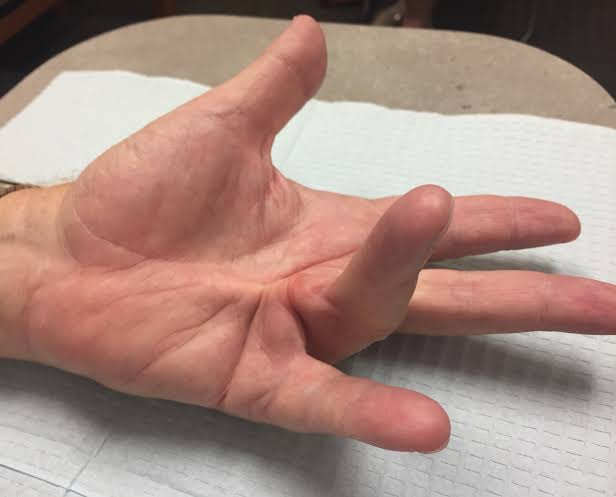
As the condition becomes more advanced, the affected finger may remain partially bent even when a person tries to straighten it. Some people notice that they cannot place their entire palm flat against a table. They may also struggle with wearing gloves, placing their hands in pockets, gripping larger objects, or completing activities that require fully extended fingers. These symptoms deserve medical attention when they begin interfering with normal hand function.
What Causes Dupuytren’s Contracture?
The exact cause of dupuytren problems is not fully understood. However, the condition develops because of changes in the connective tissue beneath the skin of the palm. This tissue becomes unusually thick and forms nodules and cords that gradually restrict finger movement. The process involves changes in collagen, a protein that provides structure and strength to connective tissues throughout the body. In affected hands, collagen builds up abnormally, contributing to the thickening and shortening of the palmar fascia.
dupuytren problems, Genetics appears to play an important role in the development of Dupuytren’s disease. People with a family history of the condition may have a greater chance of developing it themselves. It is also more common among people with Northern European ancestry and tends to occur more frequently in men, particularly as they get older. These patterns suggest that inherited factors can influence how connective tissue responds over time.
dupuytren problems, Other factors associated with Dupuytren’s contracture include diabetes, smoking, and heavy alcohol consumption. Epilepsy and certain related health circumstances have also been associated with the condition. However, having one or more risk factors does not mean someone will definitely develop it. Similarly, people without these risk factors can still experience Dupuytren’s disease. Researchers continue to investigate the biological processes responsible for its development and progression.
Who Is Most at Risk of Developing dupuytren problems?
Age is one of the important factors associated with dupuytren problems. The condition is more frequently identified in middle-aged and older adults, although it can sometimes appear earlier. As people age, changes in connective tissue can contribute to the development of different hand conditions. Dupuytren’s disease is particularly associated with gradual changes in the palm rather than sudden injuries or temporary swelling.
Family history is another significant risk factor. Someone whose parent, sibling, or another close relative has experienced Dupuytren’s contracture may have an increased likelihood of developing similar symptoms. The condition is also more common among men than women, although women can certainly develop it. In some individuals, the disease progresses slowly and causes limited problems, while others experience more noticeable finger contractures.
Certain lifestyle and medical factors may also influence the likelihood of developing the condition. Diabetes, smoking, and excessive alcohol consumption have been linked with Dupuytren’s disease. These associations do not establish that any single lifestyle habit directly causes every case. Nevertheless, maintaining general health, managing existing medical conditions, avoiding smoking, and limiting alcohol consumption can support overall well-being. People with a family history should pay attention to changes in their palms and seek medical advice if finger movement becomes restricted.
How Doctors Diagnose Dupuytren’s Disease
Doctors usually diagnose Dupuytren’s contracture through a physical examination of the hands. They look for firm nodules, thickened skin, dimples, and cords beneath the palm. They may also examine the affected fingers to determine how far they can straighten and whether movement has become restricted. Both hands may be checked because the condition can affect one hand or both, sometimes with different levels of severity.
A commonly used examination is called the tabletop test. During this simple assessment, the person is asked to place their hand flat on a table or another level surface. If one or more fingers cannot lie completely flat, it may indicate a developing contracture. The test can help identify functional limitations, but it does not replace a professional medical examination. A doctor will consider the overall appearance of the hand, the location of the thickened tissue, and the person’s symptoms before making a diagnosis.
Most cases do not require complicated imaging tests because the characteristic changes can usually be identified through examination. However, additional investigations may sometimes be considered if the symptoms suggest another condition. For example, a doctor may investigate arthritis, an injury, or another cause of restricted finger movement. It is important not to assume that every lump in the palm is Dupuytren’s disease because ganglion cysts, trigger finger, and other hand conditions can produce different symptoms.
Treatment Options for Dupuytren Problems
Treatment for dupuytren problems depends on the severity of the condition and how much it affects normal activities. People with small nodules and no significant loss of movement may not need immediate treatment. Doctors often recommend monitoring the condition over time to identify whether it is progressing. Regular examinations can help establish whether the affected tissue is becoming thicker or whether the fingers are beginning to bend towards the palm.
When the condition begins interfering with hand function, medical procedures may be considered. One option is needle fasciotomy, also known as needle aponeurotomy. During this procedure, a specialist uses a fine needle to divide the tightened cord beneath the skin. The aim is to release the tension pulling the finger down and improve its ability to straighten. It is generally performed using local anaesthetic, but the condition can return after treatment, sometimes requiring another procedure.
Another option is fasciectomy, a surgical procedure that removes some of the thickened connective tissue responsible for the contracture. It may be recommended when the condition is more advanced or when the affected fingers have become significantly bent. Dermofasciectomy is another surgical approach in which affected tissue and overlying skin are removed, with a skin graft sometimes used to cover the area. Collagenase injections have also been used in some healthcare settings to weaken the thickened cord before the finger is manipulated to release it. Availability of this treatment varies by country. Each procedure has potential benefits, risks, and recovery requirements, so a hand specialist should explain which options are suitable for an individual case.
Exercises, Home Care, and Managing Daily Activities
People experiencing early Dupuytren’s symptoms often look for exercises that might prevent the condition from progressing. Gentle hand movement can help maintain general mobility and comfort, but there is no reliable evidence that stretching exercises can remove the thickened tissue or reverse an established contracture. Forcing a bent finger straight can cause discomfort or injury. Anyone considering a hand exercise programme should discuss it with a healthcare professional, particularly if finger movement is already restricted.
Small adjustments to everyday activities can make living with dupuytren problems more manageable. For example, adding soft padding to the handles of tools can make them easier to hold without requiring an excessively tight grip. Padded gloves may also improve comfort during activities that involve repeated gripping. People who work with their hands can discuss suitable equipment changes with an occupational therapist or hand therapist if normal tasks are becoming difficult.
Home monitoring is another useful part of managing the condition. A person can occasionally observe changes in the palm, check whether new lumps or cords are developing, and notice whether the affected fingers are becoming less flexible. The tabletop test may provide a simple way to observe changes in finger extension. However, self-monitoring should not replace medical appointments when symptoms are progressing. After a medical procedure, following the specialist’s instructions about wound care, exercises, and rehabilitation is particularly important for recovering hand function.
Possible Complications and When to Seek Medical Advice
Although dupuytren problems is not generally a dangerous condition, it can cause long-term problems with hand movement if the fingers become increasingly bent. One of the main complications is a permanent reduction in finger extension. When the affected fingers remain pulled towards the palm, everyday activities can become difficult. Tasks such as washing, dressing, handling small objects, using tools, and putting on gloves may require additional effort. The severity of these problems varies considerably between individuals.
dupuytren problems, Another concern is that advanced contractures can become more difficult to correct. When the fingers have remained bent for a long period, the surrounding joints, skin, and other soft tissues may also become stiff. This can affect the results of treatment and make complete finger straightening more challenging. Although treatment can improve movement, it does not always restore the hand to its original condition. Recurrence is also possible, even after a successful medical procedure.
dupuytren problems, Anyone noticing persistent lumps, thickened palm tissue, or fingers that are becoming difficult to straighten should arrange an appointment with a healthcare professional. In the UK, a GP can assess the symptoms and consider referral to a hand specialist when necessary. Sudden severe pain, significant swelling, redness, warmth, or a rapid change in finger movement should also be assessed because these symptoms may indicate another problem rather than typical Dupuytren’s progression. Early professional assessment can help identify the cause and determine whether monitoring or treatment is appropriate.
Recovery, Long-Term Outlook, and Conclusion
The long-term outlook for people with dupuytren problems varies depending on how quickly the condition progresses and whether treatment is required. Some individuals experience only small lumps in the palm that never develop into significant contractures. Others gradually lose the ability to straighten one or more fingers. The condition usually develops over several years, and its progression can be unpredictable. Regular medical assessments can help determine whether the changes are affecting hand function.
dupuytren problems, Recovery after treatment depends on the procedure performed and the severity of the contracture. Needle fasciotomy generally involves a shorter recovery period than open surgery, while fasciectomy may require several weeks of healing and rehabilitation. Hand therapy can be helpful after procedures to manage swelling, improve movement, and restore everyday function. Some people may need temporary splinting or specific exercises under professional guidance. Even after successful treatment, new nodules or cords can develop, so long-term awareness remains important.
Conclusion
Dupuytren problems, commonly associated with Dupuytren’s contracture, involve the gradual thickening and tightening of connective tissue in the palm. Early symptoms may include small lumps, skin dimpling, and firm cords, while advanced cases can cause fingers to bend towards the palm and restrict normal movement.
Although the exact cause of dupuytren problems is not fully understood, genetics, age, diabetes, smoking, and heavy alcohol consumption are among the associated risk factors. There is currently no permanent cure, but medical monitoring, needle procedures, injections in selected cases, and surgery can help manage symptoms and improve hand function.